
Zero common walls township residences - Century Astoria's privacy-first design inside a 52-acre mixed-use township footprint.
Why Privacy Compounds in a Township Context
Apartment living involves a trade-off - buyers gain amenities, security, and community in exchange for shared common walls that conventional apartment construction relies on. The trade-off becomes more pronounced in township-scale developments where the broader township activity (commercial, retail, hospitality) adds layers of urban energy that conventional residential design must shield against. The zero common walls township residences approach at Century Astoria addresses this by removing the residential-side shared-wall friction entirely, allowing the township's activity benefits to be enjoyed without the conventional apartment-living privacy compromise. This combination - township activity benefits plus residence-level privacy - is one of the structural reasons the residential anchor positions at ultra-luxury rather than premium tier.
Zero Common Wall Apartment Design - How It Works
Zero common wall apartment design at Century Astoria works through structural separation rather than acoustic mitigation. Each residence is engineered with independent structural walls that do not share with adjacent residences, with insulated voids separating units rather than continuous shared walls that conventional apartments rely on. The zero common walls township residences design therefore eliminates the noise transmission, vibration coupling, and privacy compromises that even high-quality acoustic mitigation cannot fully address in shared-wall construction. The structural cost of this approach is higher than conventional construction, which is part of the reason the design is concentrated in ultra-luxury developments rather than appearing across the broader premium residential market.
Why It Matters at Township Scale
At township scale, the zero common walls township residences advantage becomes more consequential than at standalone residential scale. Township residents experience ambient urban energy throughout the day - commercial activity peaks during work hours, retail and dining activity peaks during evenings and weekends, hospitality activity peaks during business travel windows. Conventional shared-wall apartment construction transmits this ambient energy into the residence through structural pathways that acoustic mitigation cannot fully eliminate. The zero common walls township residences design prevents this transmission entirely, allowing residents to enjoy the township's vitality during the day and the residential calm in the evening without the trade-off.
Daily Lifestyle Implications
Daily lifestyle implications of zero common walls township residences design are most apparent during the evenings, nights, and weekend mornings when conventional apartment buyers most often experience the privacy compromises of shared-wall living. Conversations at standard volume, music or media at standard listening levels, children's activity at standard playful volumes, and household activity at standard daily intensity - all of these operate at the residence's natural volume rather than being constrained by concern about neighbouring residence intrusion. The zero common walls township residences daily lifestyle benefit is meaningful for residents but subtle in marketing communication - it is the absence of friction rather than the presence of a feature, which makes it best understood through experience rather than description.
Construction Implementation
Construction implementation of zero common walls township residences design involves several specific engineering elements. Independent structural columns supporting each residence's load rather than shared columns. Insulated voids between residences engineered to break acoustic transmission and structural vibration pathways. Mechanical and plumbing systems routed within each residence's footprint rather than through shared building services that could transmit between residences. Floor-ceiling assemblies engineered with acoustic separation between vertical residences. The zero common walls township residences engineering therefore operates as an integrated structural and mechanical design rather than as a single feature, supporting the privacy proposition at multiple engineering layers simultaneously.
Design Implementation Reference
Design Element | Conventional Construction | Zero Common Walls Township |
|---|---|---|
Structural Walls | Shared between residences | Independent per residence |
Acoustic Mitigation | Insulation within shared wall | Insulated void between independent walls |
Mechanical Routing | Through shared building services | Routed within each residence footprint |
Vibration Coupling | Structural pathway between residences | Broken by insulated void |
Daily Lifestyle Impact | Conversation, music, activity constrained | Operates at natural volume |
Construction Cost | Standard | Higher (engineering complexity) |
Privacy Outcome | Conventional apartment privacy | Villa-like privacy in apartment form |
Related article: Open Space Strategy Across the 52-Acre Township.
FAQs
What does zero common walls mean in a township residence?
Each residence is engineered with independent structural walls that do not share with adjacent residences, with insulated voids separating units rather than continuous shared walls.Why does this matter at township scale?
Township residents experience ambient urban energy throughout the day. Zero common walls design prevents transmission of this energy into the residence.How does it affect daily lifestyle?
Conversations, music, children's activity, and household routine operate at natural volume rather than being constrained by concern about neighbouring residence intrusion.
Related Articles

North Bangalore as the Township Destination
North Bangalore township destination - why the airport corridor has emerged as Bangalore's primary township geography and what supports continued buildout.
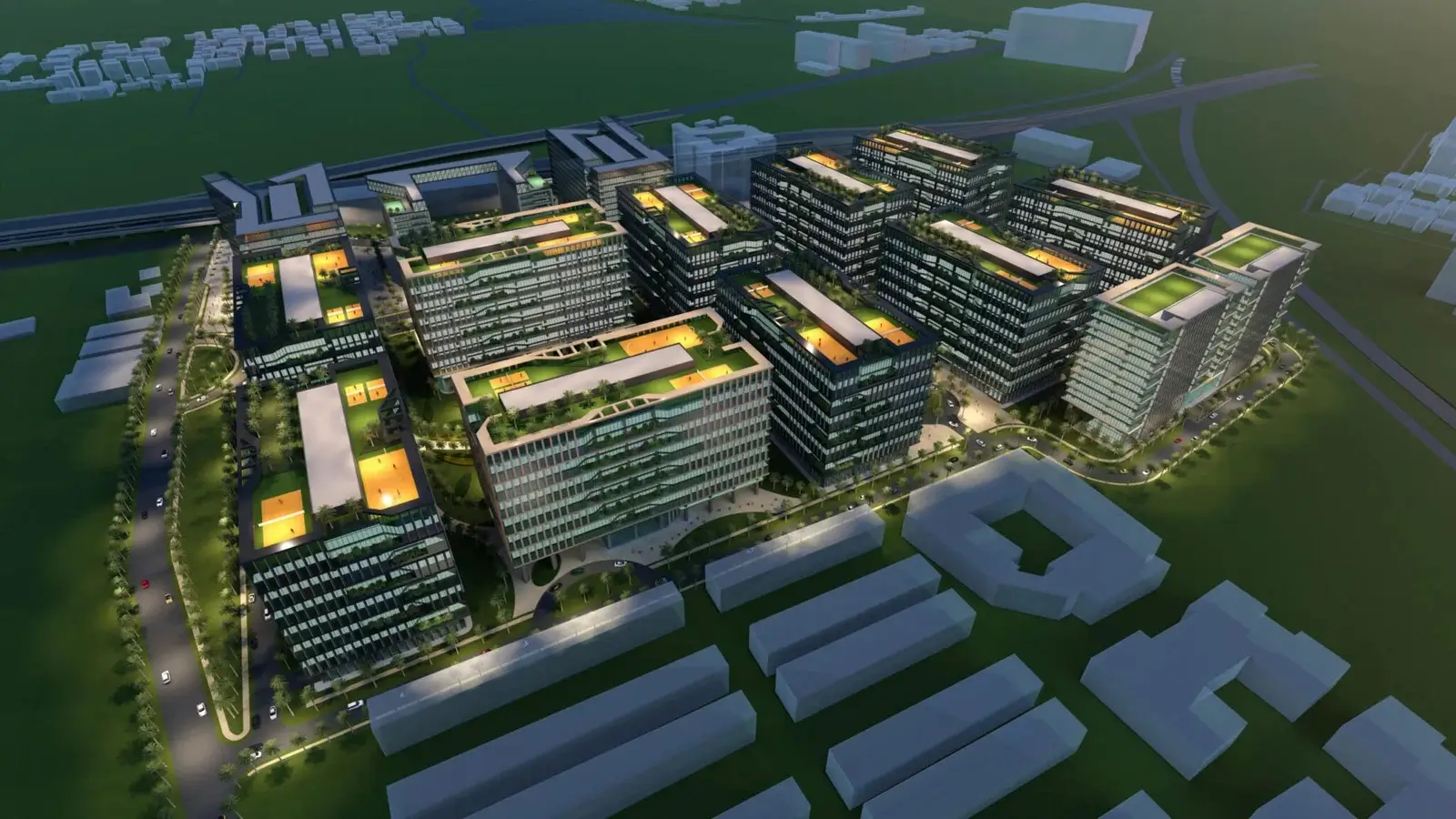
Smart City Township Programme Alignment
Smart city township Century Immencity - how the smart city framework aligns with township design and what it delivers operationally.

How the Bangalore IT Boom Drives Township Demand
IT boom township demand Bangalore - how the IT and GCC sector growth drives mixed-use township absorption at Century Immencity.
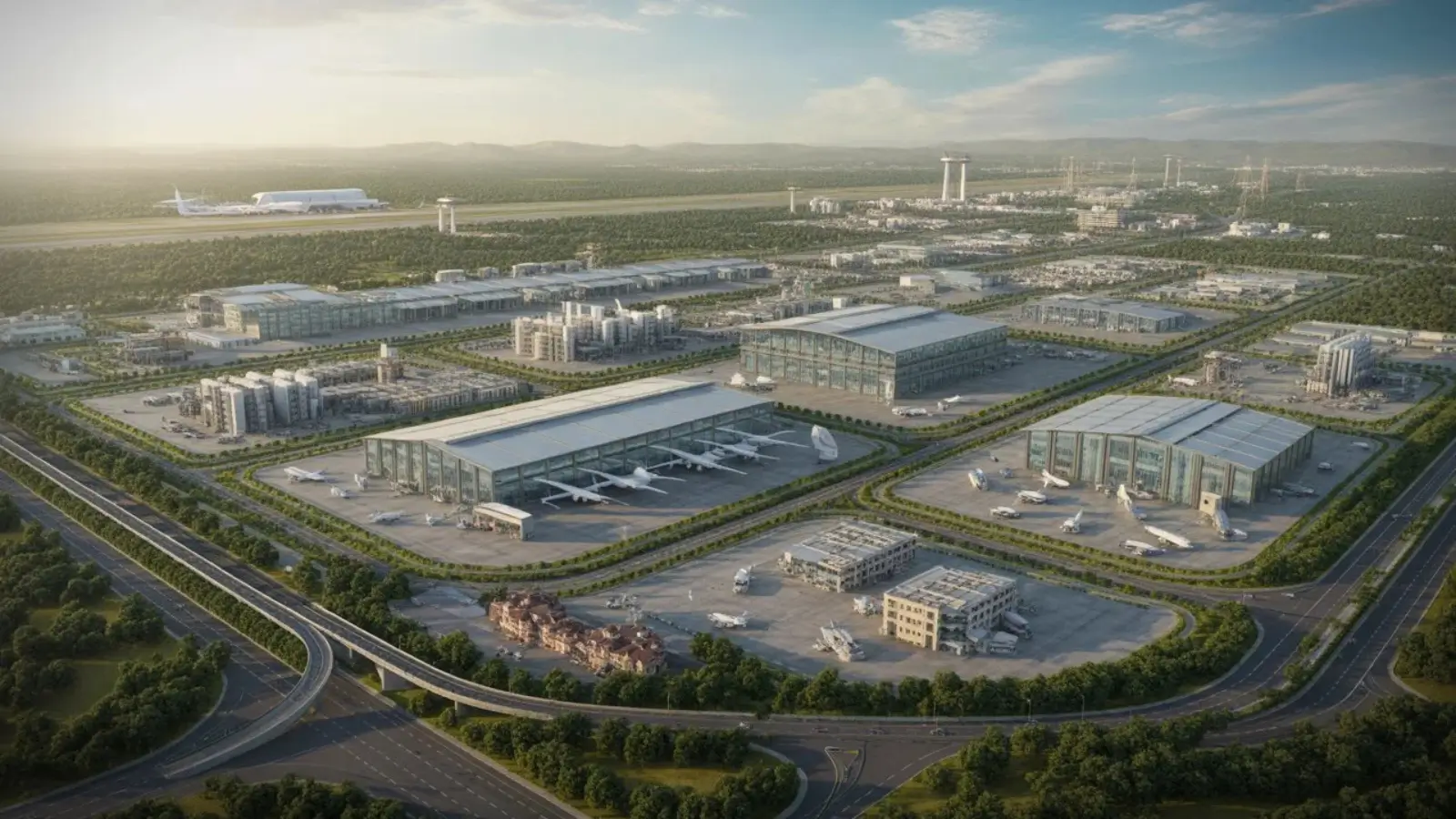
Aerospace SEZ and Township Demand
Aerospace SEZ township demand - how the KIADB aerospace cluster supports residential, commercial, and ecosystem demand at Century Immencity.