
IT boom township demand Bangalore - how the IT and GCC sector growth drives mixed-use township absorption at Century Immencity.
Why IT Sector Growth Underpins Township Investment Thesis
Bangalore's identity as India's technology capital has been built across multiple decades of sustained IT and GCC sector growth. This sectoral growth is the foundational economic engine that supports residential demand, commercial leasing demand, retail catchment growth, and the broader urban infrastructure that township-scale developments depend on. The IT boom township demand Bangalore relationship is therefore not just about IT employees as residential buyers - it is about the sectoral wealth generation, the corporate leasing demand, and the ecosystem of services and lifestyle infrastructure that IT sector growth catalyses across the city. Understanding this broader relationship clarifies why Bangalore townships continue to attract investment despite the city's broader cost-of-living and infrastructure debates.
IT Sector Growth Trajectory
IT sector growth trajectory in Bangalore continues across multiple sub-sectors. Established IT services majors (Infosys, Wipro, TCS, Cognizant) maintain steady employment despite automation pressures. GCC (Global Capability Centre) growth has accelerated significantly, with India hosting approximately 1,800 GCCs and Bangalore commanding the largest share at approximately 35 percent. Product technology companies, deep tech startups, and AI/ML focused enterprises have added a new growth layer. The IT boom township demand Bangalore relationship benefits from each of these sub-sectoral growth streams, with senior management across all sub-sectors concentrating in the city's premium residential geographies including the airport corridor.
GCC Senior Management Demand
GCC senior management demand is the most consequential sub-sector for ultra-luxury residential township demand. Bangalore-based GCCs employ approximately 800,000 to 1,000,000 professionals across the sector, with senior management (VP, Director, Country Head) numbering 30,000 to 50,000. This cohort concentrates in premium and ultra-luxury residential addresses, with airport corridor localities including Jakkur capturing a meaningful share of the demand. The IT boom township demand Bangalore at the senior tier is therefore supported by this specific cohort whose discretionary income, career stability, and lifestyle preferences align with township-integrated ultra-luxury residential.
Ecosystem Services Demand
Beyond direct IT employment, the IT boom township demand Bangalore relationship operates through the ecosystem of services that IT sector growth supports. Management consulting firms supporting corporate strategy. Audit and tax advisory firms supporting corporate compliance. Legal services supporting corporate transactions. Banking and wealth management supporting corporate and individual wealth. Healthcare and education services supporting corporate employee lifestyles. Each of these ecosystem service categories concentrates senior professionals who form additional ultra-luxury residential demand beyond just direct IT employees. The IT boom township demand Bangalore relationship therefore captures both direct and ecosystem demand layers.
Forward Outlook and Resilience
Forward outlook for IT boom township demand Bangalore supports continued township investment thesis. Bangalore retains structural advantages including the established talent ecosystem, the educational institution density, the broader IT services and product company concentration, and the network effects that have built across multiple decades. AI and automation pressures may shift the composition of IT employment but do not reduce the senior management cohort that drives ultra-luxury residential demand. The IT boom township demand Bangalore relationship therefore remains structurally intact even as the sector evolves, supporting township investment across the next decade.
Demand Stack Reference
Demand Layer | Approx. Bangalore Cohort | Township Demand Relevance |
|---|---|---|
IT Services Majors | ~ 400,000-500,000 employees | Senior tier residential |
GCC Sector | ~ 800,000-1,000,000 professionals | Senior management ultra-luxury demand |
Product Tech Companies | ~ 150,000-200,000 employees | Founder and senior tier |
Deep Tech Startups | ~ 50,000-80,000 employees | Founder and senior tier |
Ecosystem Services | ~ 200,000-300,000 senior tier | Indirect ultra-luxury demand |
GCC Senior Management | 30,000-50,000 specifically | Direct ultra-luxury concentration |
NRI Returnees | Continuous flow | Township-specific preference |
Related article: North Bangalore as the Township Destination.
FAQs
How does the IT boom drive township demand?
Through direct senior IT employee residential demand (30,000-50,000 GCC senior management cohort), indirect ecosystem services demand from consulting/audit/legal/banking professionals, and broader corporate leasing demand supporting Grade A office park absorption.What is the GCC sector contribution?
Bangalore hosts approximately 35% of India's 1,800+ GCCs with 800,000-1,000,000 sector professionals. Senior management tier of 30,000-50,000 concentrates in premium and ultra-luxury residential addresses.Will IT growth continue supporting township demand?
Yes. Bangalore retains structural advantages including talent ecosystem, educational institution density, and multi-decade network effects. AI and automation may shift composition but does not reduce the senior management cohort driving ultra-luxury demand.
Related Articles
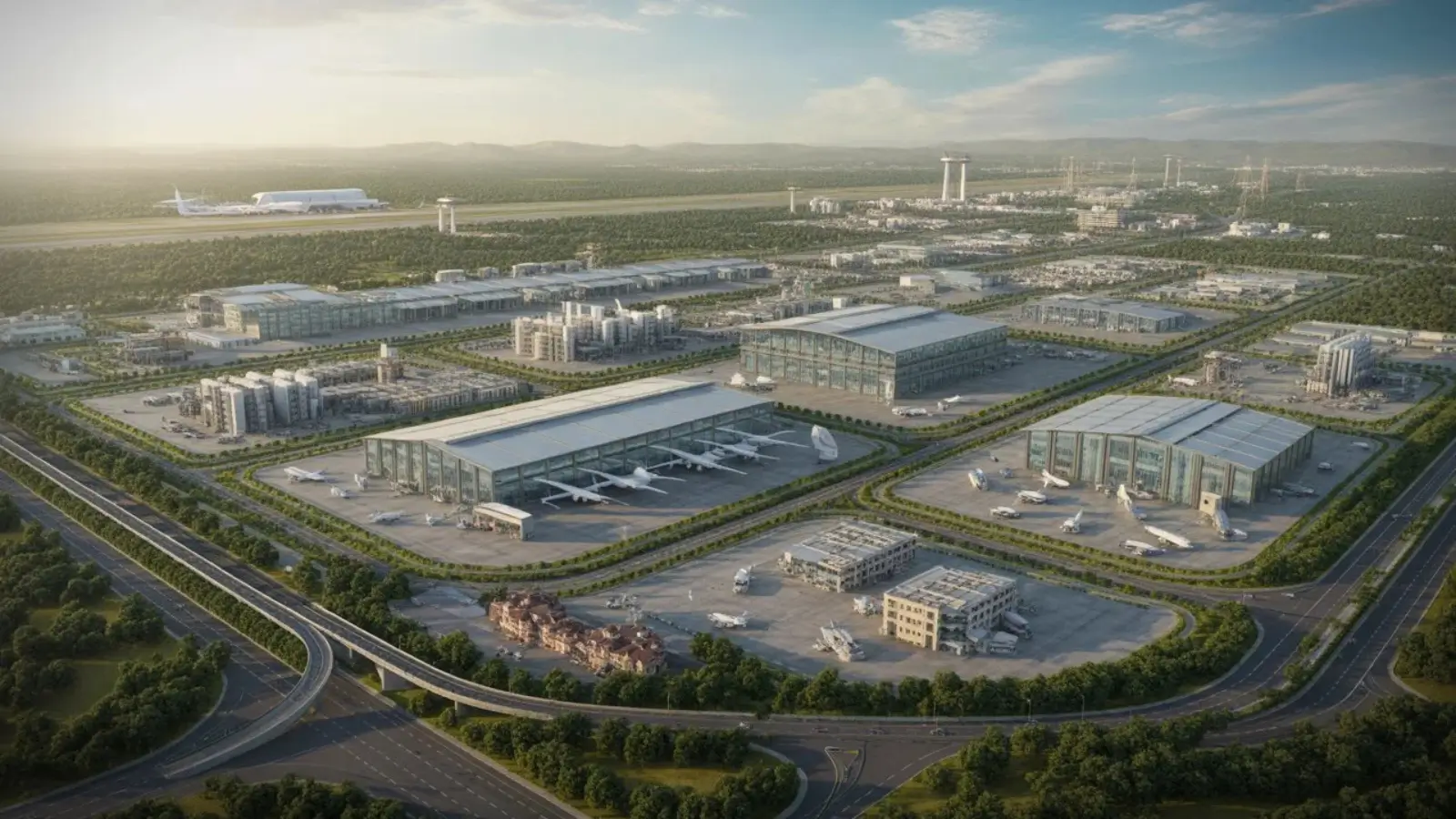
Aerospace SEZ and Township Demand
Aerospace SEZ township demand - how the KIADB aerospace cluster supports residential, commercial, and ecosystem demand at Century Immencity.
Karnataka Policy Environment for Mixed-Use Townships
Policy mixed use township Karnataka - state policy framework supporting integrated district development and Century Immencity execution.
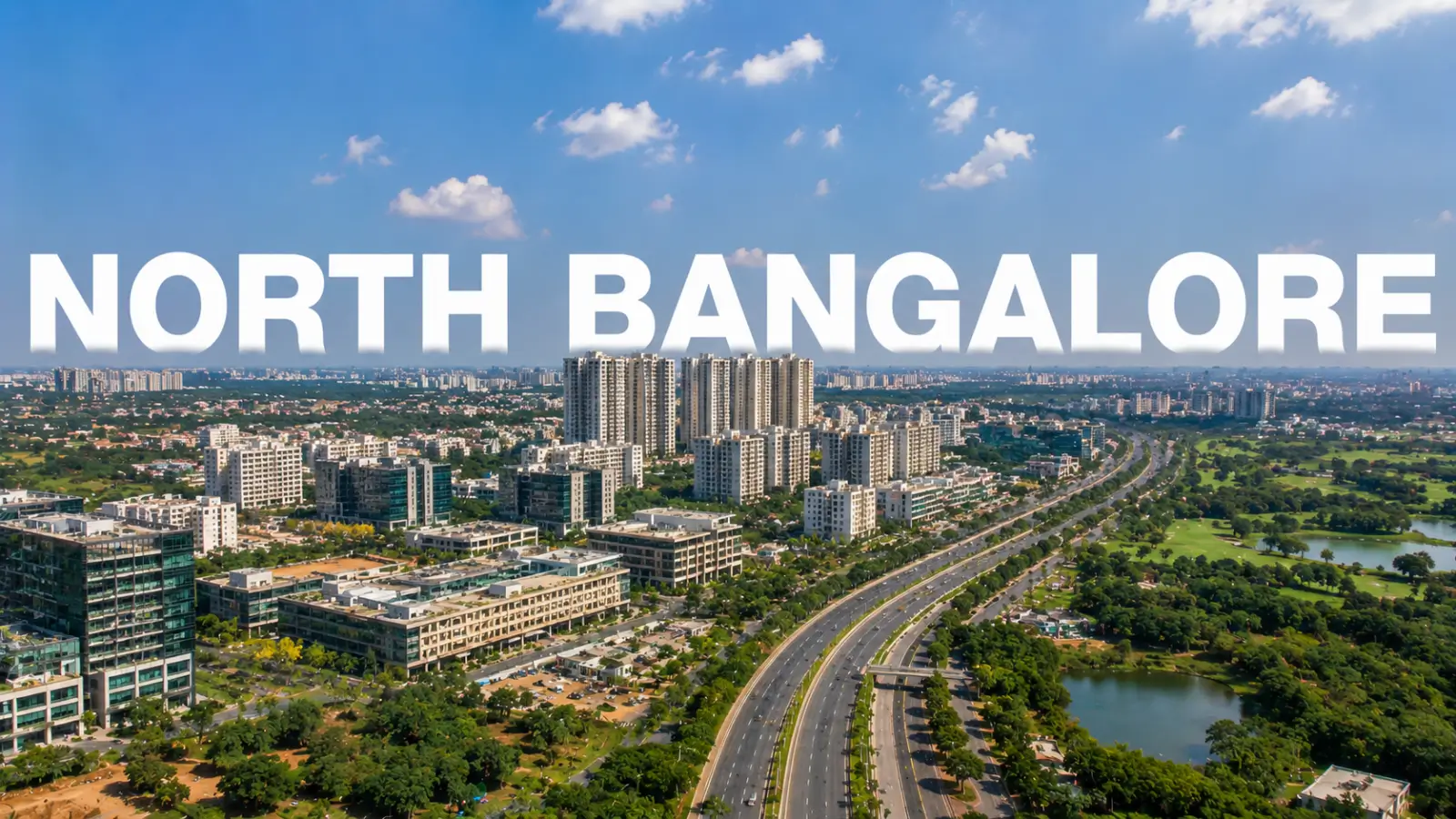
North Bangalore as the Township Destination
North Bangalore township destination - why the airport corridor has emerged as Bangalore's primary township geography and what supports continued buildout.
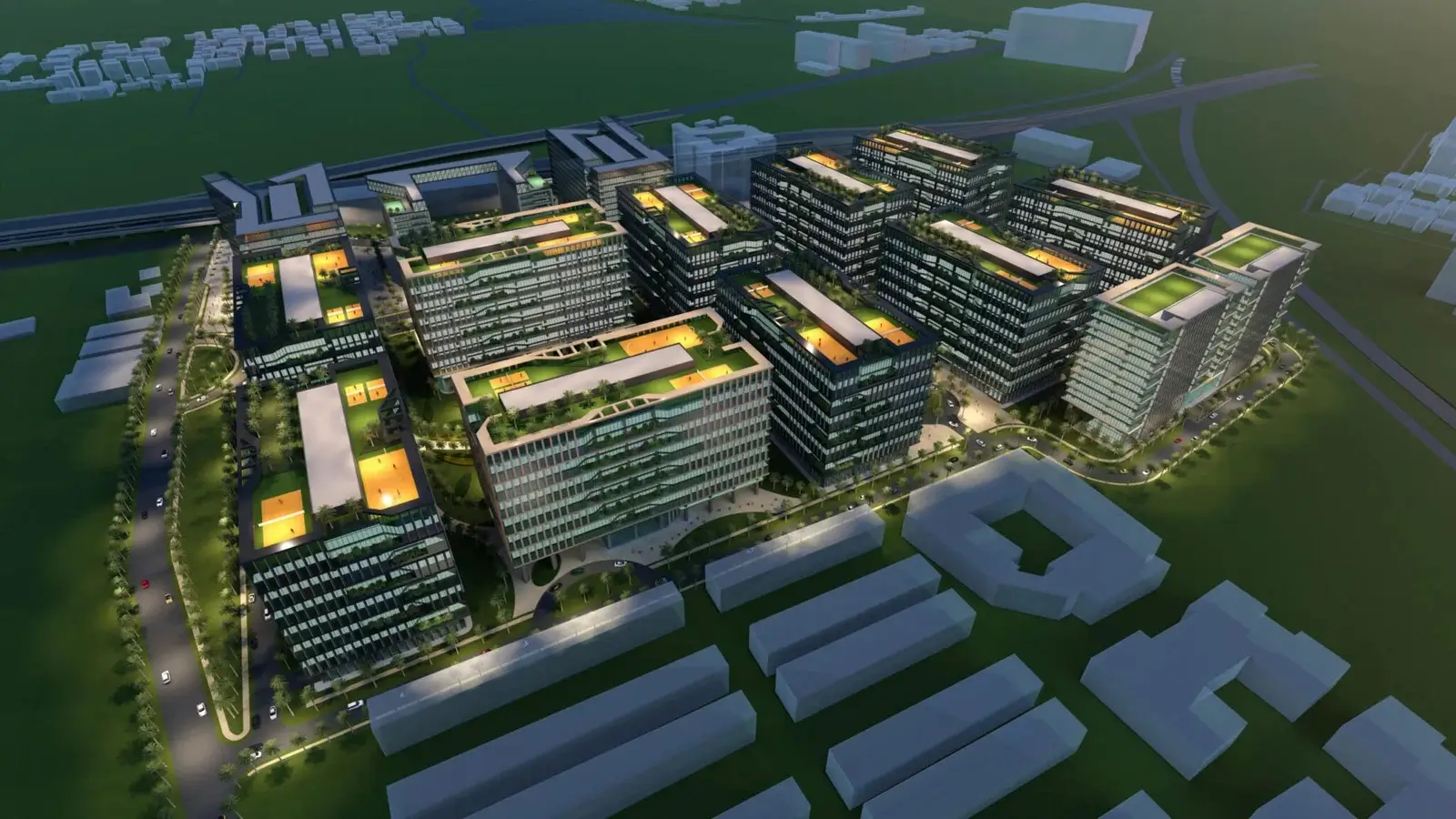
Smart City Township Programme Alignment
Smart city township Century Immencity - how the smart city framework aligns with township design and what it delivers operationally.