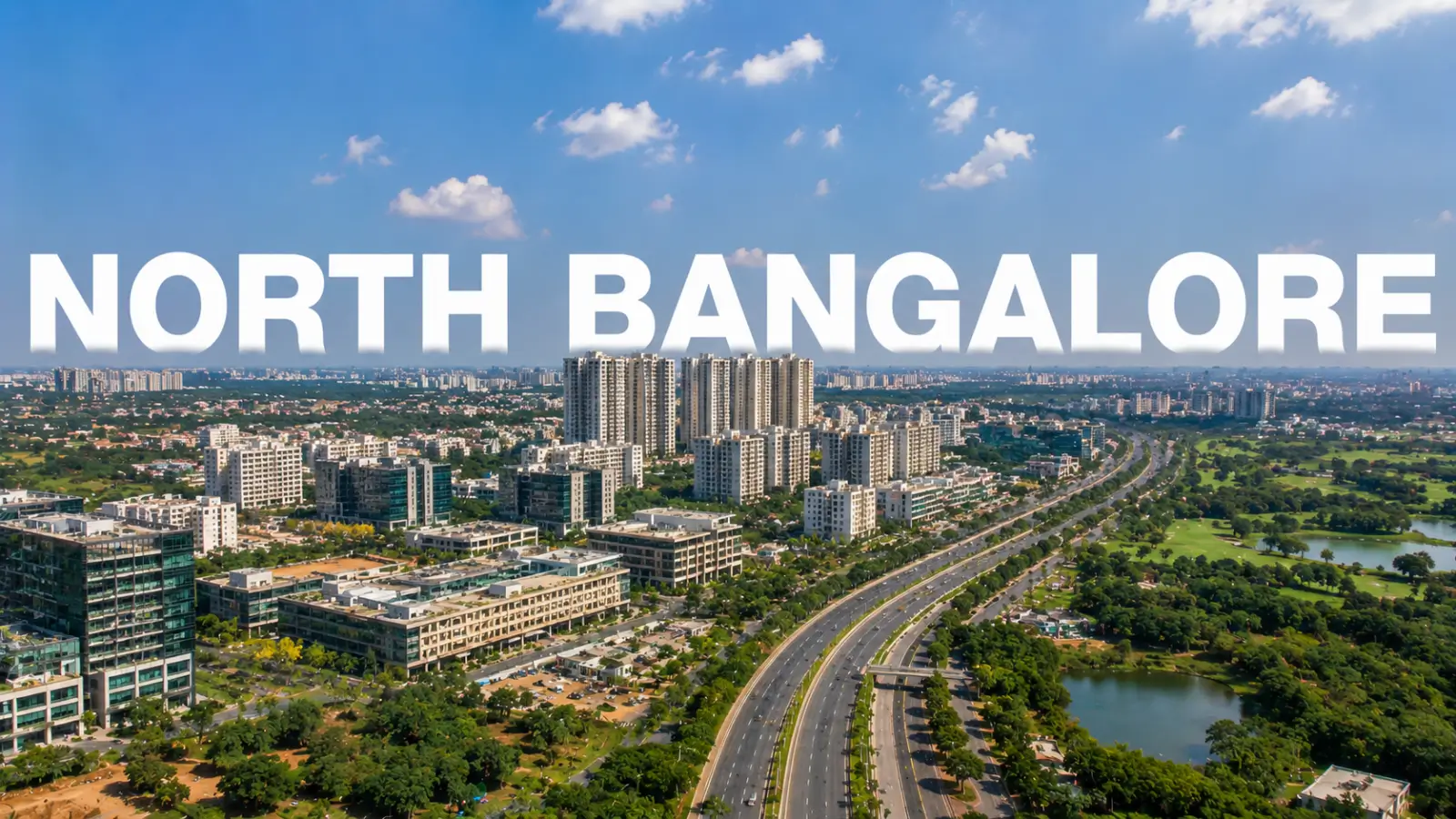
North Bangalore township destination - why the airport corridor has emerged as Bangalore's primary township geography and what supports continued buildout.
Why North Bangalore Emerged as the Township Geography
Bangalore's residential geography has evolved across decades, with different geographies emerging as primary at different times. Central Bangalore dominated through the 1970s-1980s. South Bangalore emerged through the 1990s-2000s with IT sector growth concentrating around Electronic City. East Bangalore emerged through the 2000s-2010s with Whitefield and ITPL buildout. North Bangalore has emerged as the township geography across the 2010s-2020s, supported by airport infrastructure, Manyata Tech Park, the broader airport corridor commercial buildout, and the policy environment supporting mixed-use development at township scale. The North Bangalore township destination positioning therefore reflects a specific phase of Bangalore's geographic maturation rather than a historical inevitability.
Airport Corridor as the Infrastructure Anchor
Airport corridor infrastructure has been the most consequential single factor in establishing North Bangalore township destination character. Kempegowda International Airport opening in 2008 catalysed the corridor's development trajectory. Subsequent expansion phases including the second runway, T2 terminal, and the broader airport infrastructure buildout supported continued corridor maturation. The KIADB aerospace SEZ, the hospitality cluster, and the corporate commercial buildout each added layers of demand to the corridor. Forward infrastructure including metro Phase 2B, the peripheral ring road expansion, and the Bengaluru Suburban Rail Project continue strengthening the corridor's positioning. The North Bangalore township destination geography therefore is structurally anchored by infrastructure rather than being a temporary market trend.
North Bangalore Real Estate Demand - The Composition
North Bangalore real estate demand composition includes multiple buyer cohorts that together support the township destination thesis. Senior corporate professionals working at Manyata and the broader airport corridor employment belt. NRI buyers returning from overseas assignments, particularly those who value airport corridor access. HNI buyers diversifying their Bangalore residential exposure beyond central and south geographies. International buyers including expatriate executives and foreign HNIs with India presence. Family buyers prioritising school and healthcare infrastructure proximity. The North Bangalore township destination demand composition therefore is meaningfully diversified rather than concentrated in any single cohort, which supports stable demand across economic cycles.
Comparative Positioning Versus Other Bangalore Geographies
Comparative positioning of North Bangalore versus other Bangalore residential geographies reveals specific advantages. Central Bangalore retains heritage and convenience but lacks contiguous land for township-scale development. South Bangalore concentrates around Electronic City and historical residential anchors but faces traffic and infrastructure constraints that have limited township buildout. East Bangalore (Whitefield, Sarjapur) carries significant residential supply but faces airport access disadvantage and increasing commute pressure. The North Bangalore township destination geography uniquely combines airport corridor access, Manyata employment proximity, available contiguous land parcels, and the policy environment supporting township-scale execution. This combination is structurally difficult to replicate in alternative Bangalore geographies.
Forward Buildout Trajectory
Forward buildout trajectory for North Bangalore township destination geography supports continued township category expansion across the next decade. Additional integrated township developments under various stages of planning. Continued corridor commercial buildout supporting working-population density. Continued infrastructure investment from public and private sources. Continued residential demand from the senior corporate, NRI, and HNI cohorts. The North Bangalore township destination geography therefore continues maturing rather than reaching saturation, with Century Immencity positioning as one of the leading developments in the current buildout phase. For investors evaluating the broader category trajectory, this forward buildout supports the township investment thesis across long-term horizons.
Geographic Comparison Reference
Bangalore Geography | Township Potential | Why |
|---|---|---|
Central Bangalore | Limited | No contiguous land parcels |
South Bangalore | Limited | Traffic and infrastructure constraints |
East Bangalore | Moderate | Airport access disadvantage |
North Bangalore (Airport Corridor) | Strong | Land + infrastructure + employment + policy |
Within North Bangalore: Hebbal | Strong but compact | Less contiguous land available |
Within North Bangalore: Jakkur | Strongest | Available 52-acre parcels (Century) |
Within North Bangalore: Yelahanka | Moderate | Available land but residential-dominant |
Within North Bangalore: Devanahalli | Emerging | Closer to airport, still developing |
Related article: How the Bangalore IT Boom Drives Township Demand.
FAQs
Why has North Bangalore emerged as the township destination?
Airport corridor infrastructure anchor (KIAL since 2008), Manyata Tech Park employment, available contiguous land parcels, and policy environment supporting mixed-use township-scale execution - a combination structurally difficult to replicate elsewhere.How does North Bangalore compare to other Bangalore geographies?
Central lacks land. South faces infrastructure constraints. East faces airport access disadvantage. North uniquely combines airport access, employment proximity, available land, and policy support.Will North Bangalore township development continue?
Yes. Additional integrated townships under planning, continued corridor commercial buildout, infrastructure investment, and demand from senior corporate/NRI/HNI cohorts support continued category expansion.
Related Articles
Aerospace SEZ and Township Demand
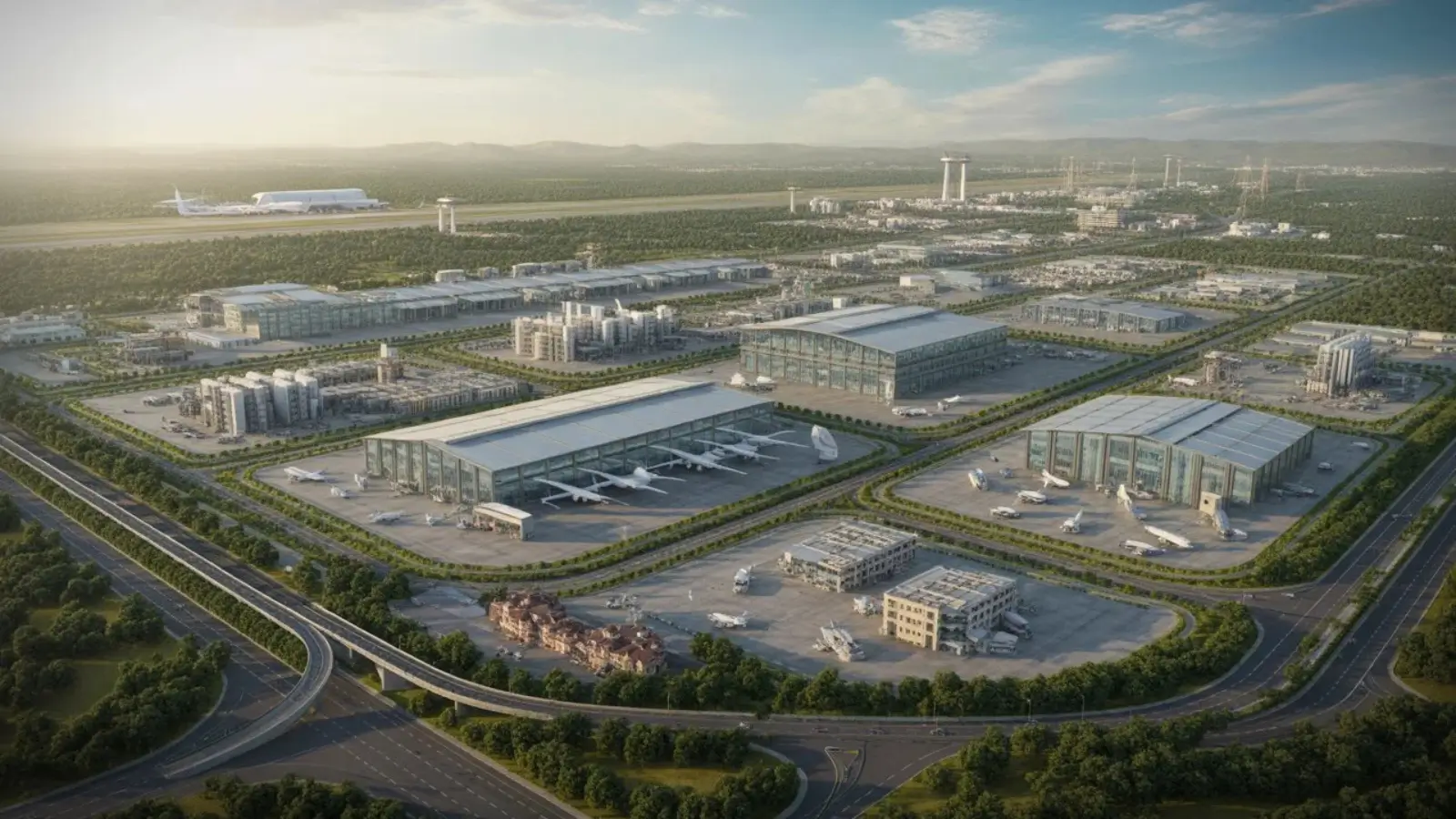
Aerospace SEZ township demand - how the KIADB aerospace cluster supports residential, commercial, and ecosystem demand at Century Immencity.

Karnataka Policy Environment for Mixed-Use Townships
Policy mixed use township Karnataka - state policy framework supporting integrated district development and Century Immencity execution.

How the Bangalore IT Boom Drives Township Demand
IT boom township demand Bangalore - how the IT and GCC sector growth drives mixed-use township absorption at Century Immencity.
Smart City Township Programme Alignment
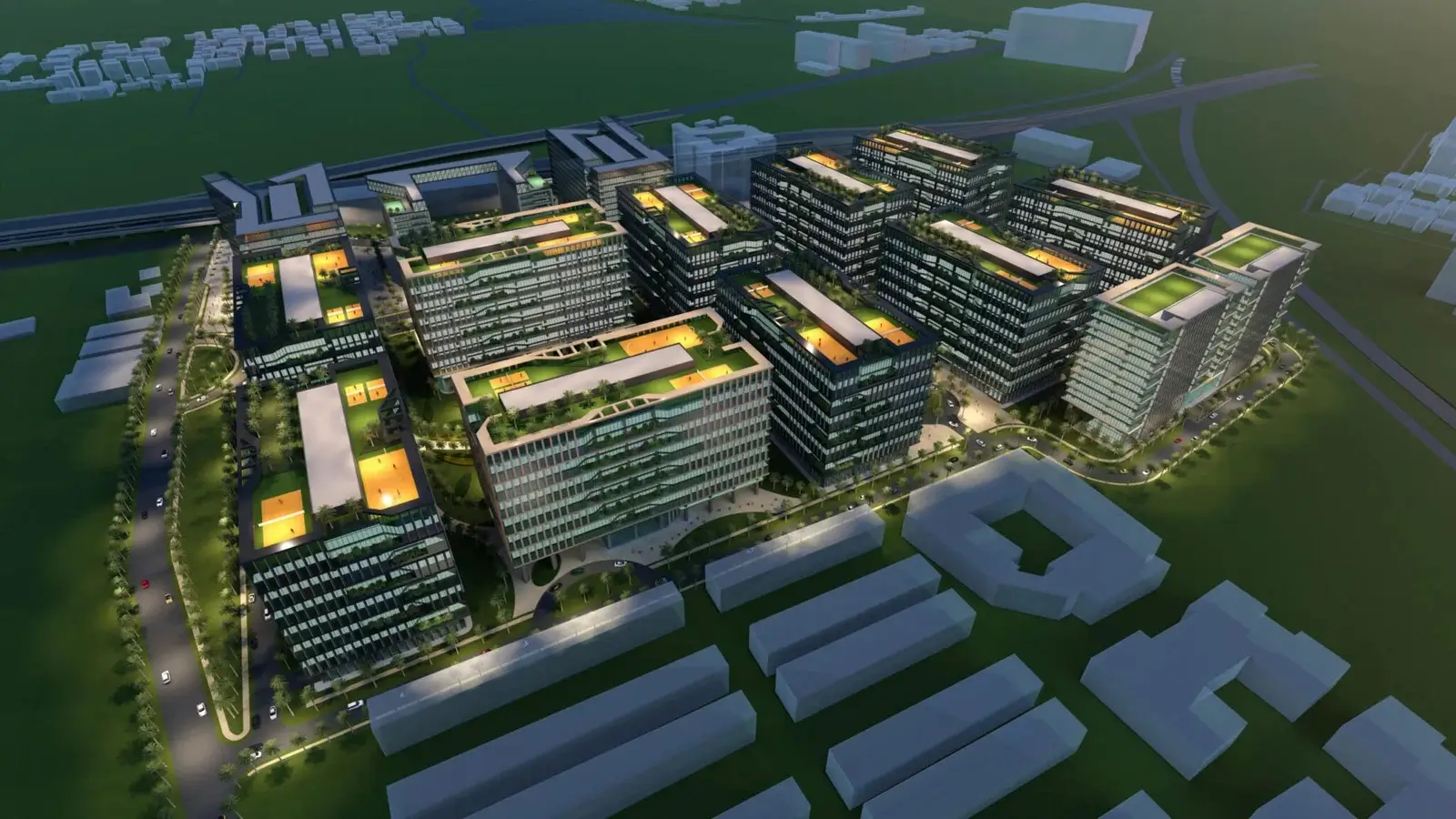
Smart city township Century Immencity - how the smart city framework aligns with township design and what it delivers operationally.