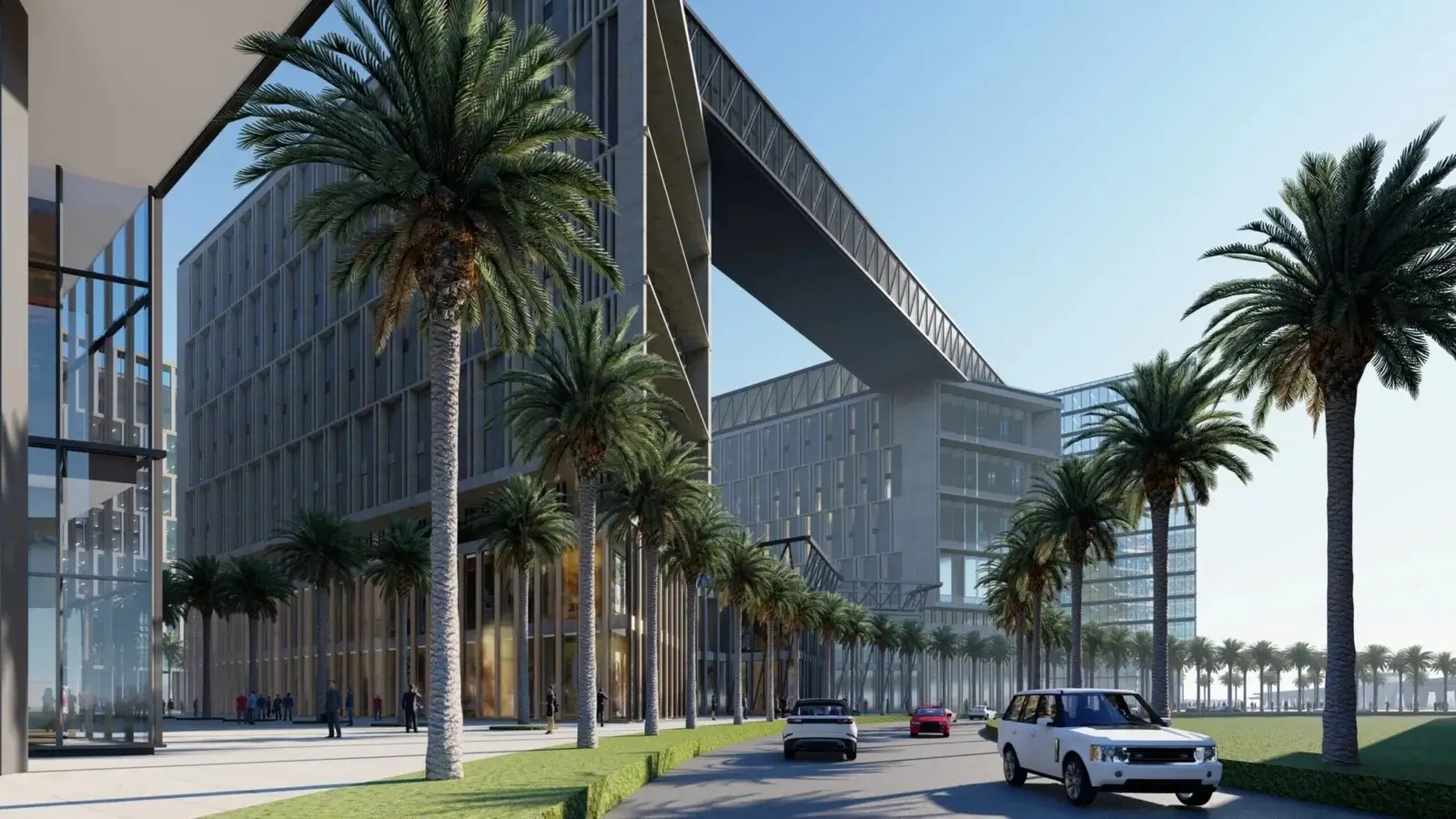
Startup township demand Bangalore - how founder wealth, growth-stage companies, and the broader startup ecosystem support township residential demand.
Why the Bangalore Startup Ecosystem Matters for Township Demand
Bangalore hosts the largest startup ecosystem in India, with concentration across product technology, deep tech, fintech, healthtech, edtech, and consumer technology sub-sectors. The startup ecosystem contributes to township residential demand through multiple specific channels - founder wealth from successful exits and ongoing equity value, senior employee wealth from growth-stage company stock options, the broader ecosystem services that startups depend on, and the network effects that startup density catalyses. The startup township demand Bangalore relationship therefore is meaningfully different from the IT services and GCC sector demand, with the startup contribution being characterised by event-driven wealth creation (exits, funding rounds, IPOs) rather than steady employment-driven income.
Founder Wealth and Ultra-Luxury Demand
Founder wealth from Bangalore startup successes has created a meaningful new cohort of ultra-luxury residential buyers over the last decade. Successful exits including IPOs, strategic acquisitions, and secondary share sales have generated substantial wealth concentrations across founder cohorts. Founders evaluating ultra-luxury residential purchases typically prioritise three considerations - lifestyle quality matching their wealth tier, lifestyle infrastructure supporting families during high-intensity work phases, and investment-grade asset characteristics for capital deployment. The startup township demand Bangalore at the ultra-luxury tier captures founder buyers across all three priorities, with township-integrated residential addressing each more comprehensively than standalone alternatives.
Growth-Stage Senior Employees
Growth-stage senior employees at Bangalore startups represent another significant buyer cohort. As growth-stage companies mature (Series C, D, and beyond), senior employees accumulate equity value through stock option vesting and secondary share sales. The cohort of senior employees at growth-stage Bangalore startups numbers in the tens of thousands, with a subset accumulating sufficient wealth to enter ultra-luxury residential markets. The startup township demand Bangalore at this tier supplements the founder demand with a deeper, broader buyer cohort. This combined demand - founders plus growth-stage senior employees - represents one of the structurally newer demand sources that has emerged across the last decade and continues expanding.
Ecosystem Services and Infrastructure
Ecosystem services and infrastructure supporting Bangalore startups include venture capital firms, growth equity funds, legal services specialising in startups, accounting and tax advisory, recruitment and staffing services, and the broader professional services ecosystem. Senior professionals across this ecosystem - partners at VC firms, senior counsel at law firms, senior partners at advisory firms - form an additional cohort of premium and ultra-luxury residential buyers. The startup township demand Bangalore relationship therefore includes this ecosystem services layer alongside direct startup employee demand. The ecosystem services cohort has been growing alongside the broader startup ecosystem and continues expanding.
Network Effects and Demand Stability
Network effects from Bangalore startup ecosystem density support demand stability across cycles. Even during startup funding downturns (2022-2023 cycle), the existing wealth from prior funding cycles continues supporting residential demand. Founders who have already exited maintain their wealth across cycles. Senior employees who have already vested their equity maintain their assets. Ecosystem service professionals maintain their incomes across cycles because their services continue being needed. The startup township demand Bangalore relationship therefore is more resilient to individual cycle pressures than buyers might initially assume, with the accumulated wealth from prior cycles continuing to support residential demand even during periods of reduced new funding activity.
Startup Cohort Reference
Startup Cohort | Approx. Catchment | Township Demand Relevance |
|---|---|---|
Successful Exit Founders | 1,000-2,000 cohort with wealth | Direct ultra-luxury demand |
Growth-Stage Founders (Series C+) | 500-1,000 cohort with paper wealth | Ultra-luxury demand |
Growth-Stage Senior Employees | 20,000-30,000 cohort | Premium and ultra-luxury tier |
VC Senior Partners | 500-1,000 cohort | Ultra-luxury demand |
Growth Equity Senior | 500-1,000 cohort | Ultra-luxury demand |
Specialised Legal/Tax Senior | 2,000-3,000 cohort | Premium tier |
Specialised Recruitment Senior | 1,000-2,000 cohort | Premium tier |
Combined Senior Tier Catchment | approx. 5,000-8,000 ultra-luxury cohort | Direct Century Immencity demand |
Related article: How the Bangalore IT Boom Drives Township Demand.
FAQs
How does the Bangalore startup ecosystem drive township demand?
Through founder wealth from exits and ongoing equity (1,000-3,000 ultra-luxury catchment cohort), growth-stage senior employee wealth from stock options (20,000-30,000 cohort across premium and ultra-luxury), and ecosystem services senior professionals at VC firms, law firms, and advisory firms.Is startup demand resilient across funding cycles?
Yes. Even during funding downturns, accumulated wealth from prior cycles continues supporting residential demand. Founders who exited maintain wealth. Senior employees who vested equity maintain assets. Ecosystem service incomes continue across cycles.What is the senior tier catchment for ultra-luxury?
Approximately 5,000-8,000 senior tier cohort across exit founders, growth-stage founders, VC senior partners, and growth equity senior - direct Century Immencity ultra-luxury demand.
Related Articles
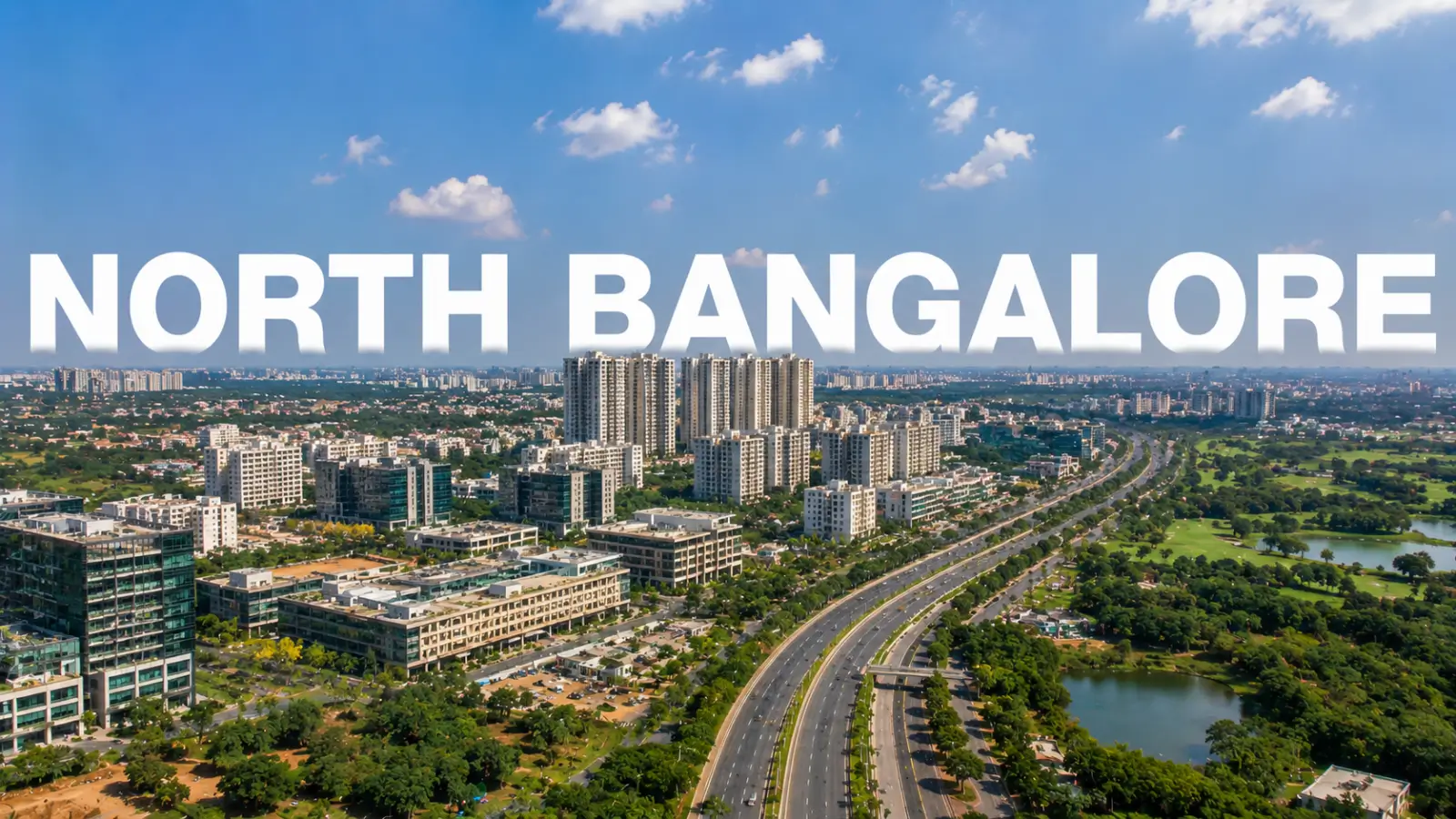
North Bangalore as the Township Destination
North Bangalore township destination - why the airport corridor has emerged as Bangalore's primary township geography and what supports continued buildout.
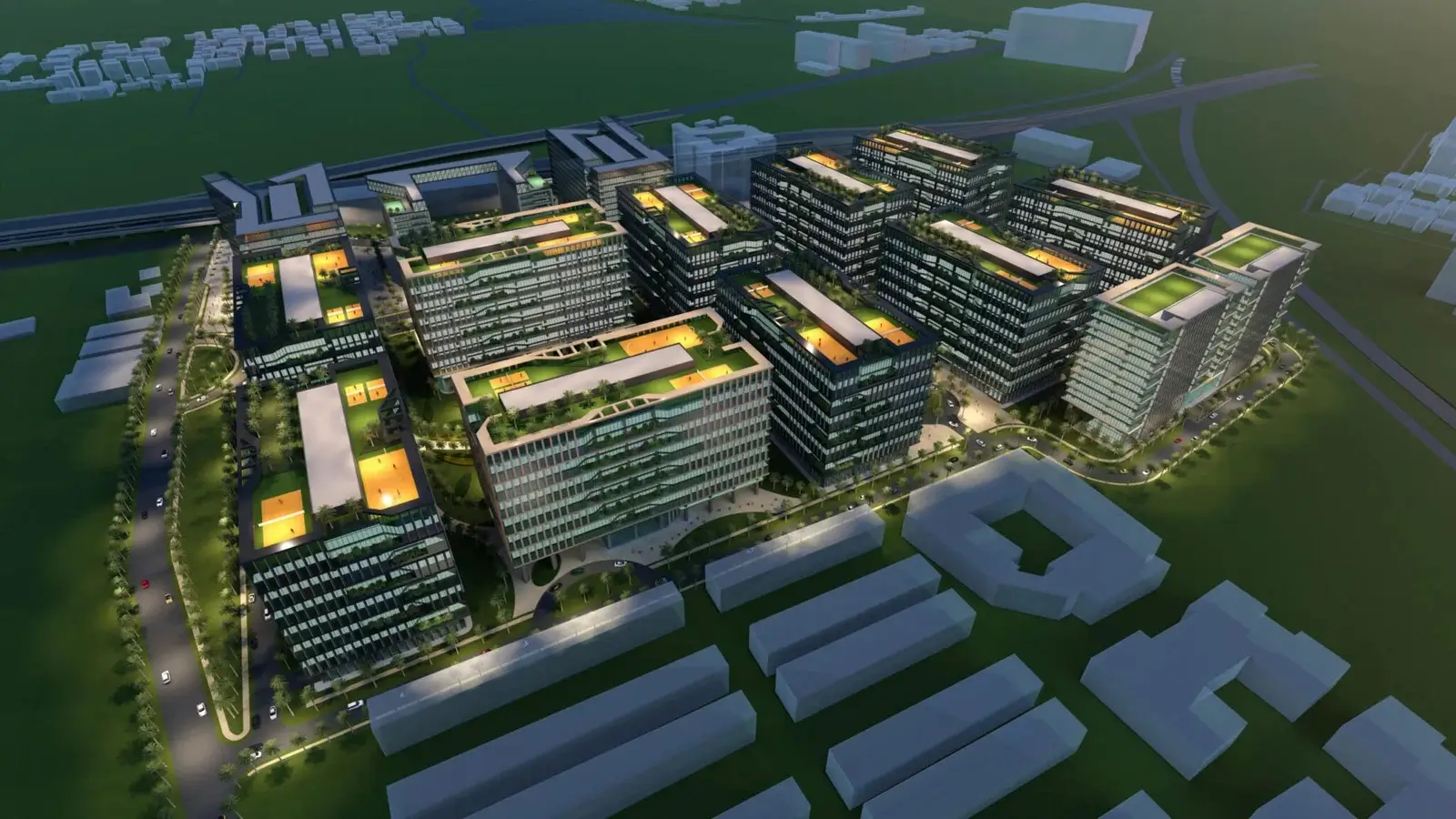
Smart City Township Programme Alignment
Smart city township Century Immencity - how the smart city framework aligns with township design and what it delivers operationally.

How the Bangalore IT Boom Drives Township Demand
IT boom township demand Bangalore - how the IT and GCC sector growth drives mixed-use township absorption at Century Immencity.
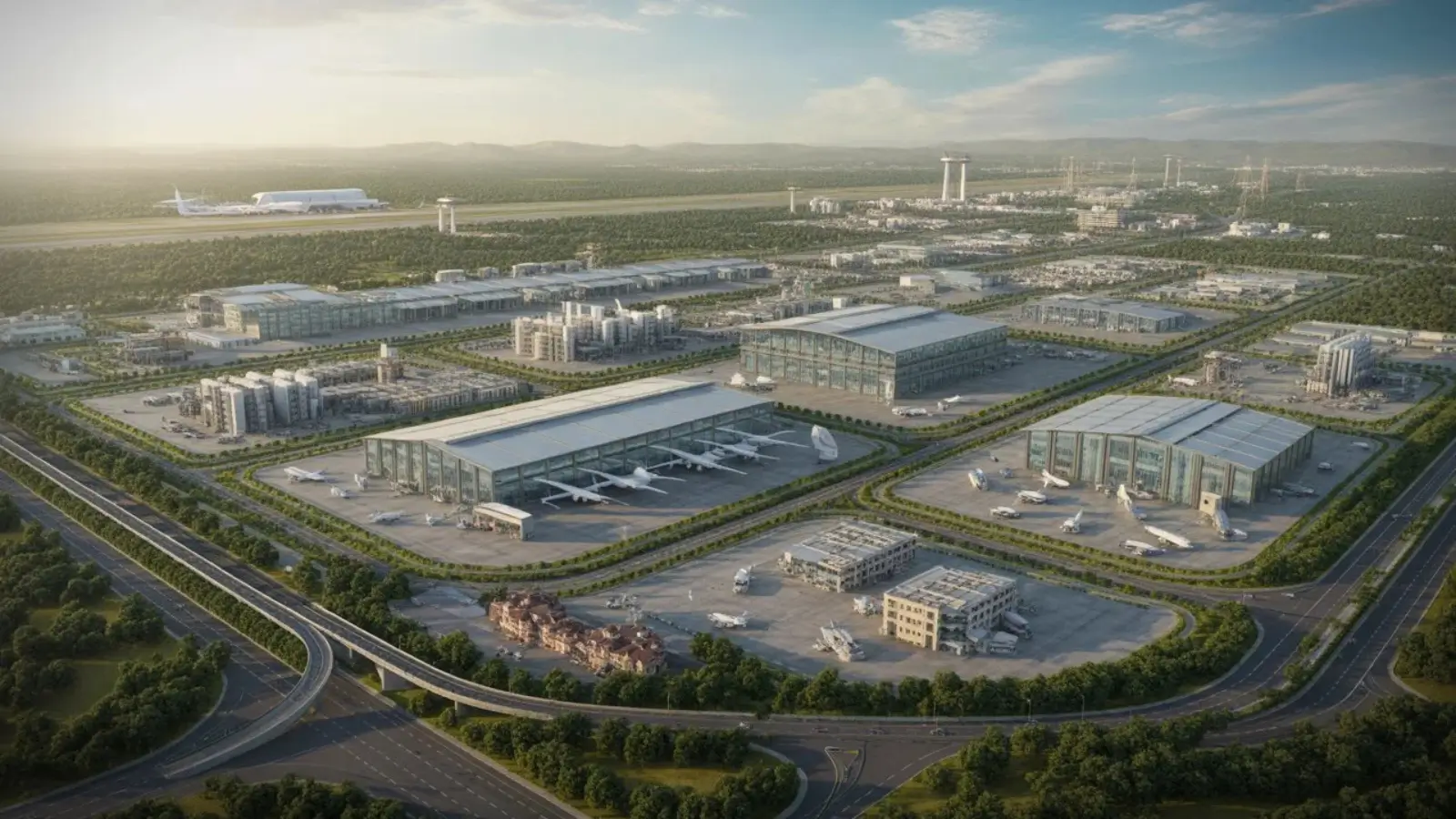
Aerospace SEZ and Township Demand
Aerospace SEZ township demand - how the KIADB aerospace cluster supports residential, commercial, and ecosystem demand at Century Immencity.