NRI investment Century Immencity Bangalore — FEMA framework, home loan options, taxation, repatriation, and the NRI township buyer workflow for the 52-acre development.
Why NRI Buyers Concentrate on Township Developments
NRI buyers represent a meaningful share of Bangalore ultra-luxury residential transactions, with the airport corridor being one of the preferred locations within the city. Among the airport corridor options, integrated mixed-use townships often score higher with NRI buyers than standalone residential developments. The NRI investment Century Immencity Bangalore proposition aligns with NRI preferences across three dimensions — long-term capital appreciation supported by multiple drivers, township ecosystem that supports both residency and rental absorption, and the institutional developer credibility that NRI buyers prioritise highly. Understanding the operational framework for NRI investment in a township development helps buyers based overseas execute confidently.
FEMA Framework for NRI Property Purchase
FEMA framework allows NRIs to purchase residential and commercial property in India through standard transaction processes, with specific documentation requirements that differ from resident Indian purchases. NRI buyers can use NRE, NRO, or FCNR account funds to remit payment to the developer. Home loans are available from Indian banks for NRI buyers, typically at slightly higher interest spreads than resident Indian loans but with comparable loan-to-value ratios. The NRI investment Century Immencity Bangalore process operates within this FEMA framework, with the developer's NRI desk supporting documentation, payment routing, and compliance during the transaction. NRI buyers should familiarise themselves with these baseline FEMA provisions before committing rather than discovering them mid-transaction.
NRI Home Loan Bangalore — The Financing Options
NRI home loan Bangalore options for a Century Immencity residential purchase include multiple lender choices. Major Indian banks (HDFC, ICICI, Axis, Kotak) offer NRI home loan products with rates currently in the 8.5 to 9.5 percent range, loan-to-value ratios of 70 to 80 percent for premium properties, and tenures up to 30 years (subject to working-age cutoff). Some banks offer rupee-denominated NRI loans while others offer foreign currency denominated loans for NRIs in specific overseas geographies. The NRI investment Century Immencity Bangalore financing decision should evaluate currency exposure, interest rate structure, and prepayment flexibility across the available lender options. Banks typically have dedicated NRI relationship managers who can structure the financing more efficiently than standard product channels.
NRI Township Investment — Why It Aligns
NRI township investment specifically aligns with three NRI buyer preferences. First, holding horizon — NRI buyers typically hold property for 10 to 20 years rather than transacting frequently, which matches the township appreciation pattern that compounds across the 5 to 8 year delivery window. Second, end-use optionality — many NRI buyers plan eventual relocation to India, and a mixed-use township provides a richer landing environment than standalone residential addresses. Third, rental support — the township's residential rental demand depth supports rental absorption for NRI investor inventory during the years before potential relocation. The NRI investment Century Immencity Bangalore proposition therefore aligns with the typical NRI buyer profile in ways that single-component developments cannot.
Taxation and Repatriation Considerations
Taxation and repatriation considerations affect NRI investment Century Immencity Bangalore returns over the holding period. Rental income is taxable in India under the standard income tax framework, with TDS at 30 percent and adjustments available against deductible expenses. Capital gains on resale are taxable in India based on the holding period — short-term (under 2 years) at slab rates, long-term (over 2 years) at 12.5 percent under the post-2024 framework. Repatriation of sale proceeds is permitted within FEMA limits and subject to applicable taxes being settled. NRI buyers should also evaluate the tax treatment in their country of residence under the relevant Double Taxation Avoidance Agreement. The NRI investment Century Immencity Bangalore framework supports straightforward execution of these tax and repatriation obligations through documented processes.
NRI Investment Reference
Aspect | NRI Provision | Notes |
|---|---|---|
Purchase Eligibility | Residential and commercial property allowed | FEMA-compliant |
Payment Source | NRE / NRO / FCNR accounts | Documented remittance |
Home Loan Availability | Major Indian banks | 70-80% LTV, 8.5-9.5% rates |
Rental Income Taxation | Standard slab rates | TDS at 30% |
Capital Gains (Long-Term, post-2 years) | 12.5% rate | Indexation removed post-2024 |
Repatriation of Sale Proceeds | Permitted within FEMA limits | Subject to tax settlement |
DTAA Treatment | Country-specific | Avoid double taxation |
Power of Attorney for Booking | Permitted for remote execution | Notarised PoA acceptable |
Related article: Buying Property in a Bangalore Township From Abroad.
FAQs
Can NRIs buy property at Century Immencity?
Yes. FEMA framework allows NRI purchase of residential and commercial property with payments routed through NRE, NRO, or FCNR accounts. Home loans available from major Indian banks at 70-80% LTV.How is NRI rental income taxed in India?
Standard income tax framework with TDS at 30 percent. Deductible expenses can reduce taxable income. NRIs should also evaluate treatment under their country's Double Taxation Avoidance Agreement with India.What****'****s the long-term capital gains tax rate for NRIs?
12.5 percent on holdings of more than 2 years under the post-2024 framework, with indexation benefit removed. Repatriation of sale proceeds permitted within FEMA limits after tax settlement.
Related Articles
North Bangalore as the Township Destination
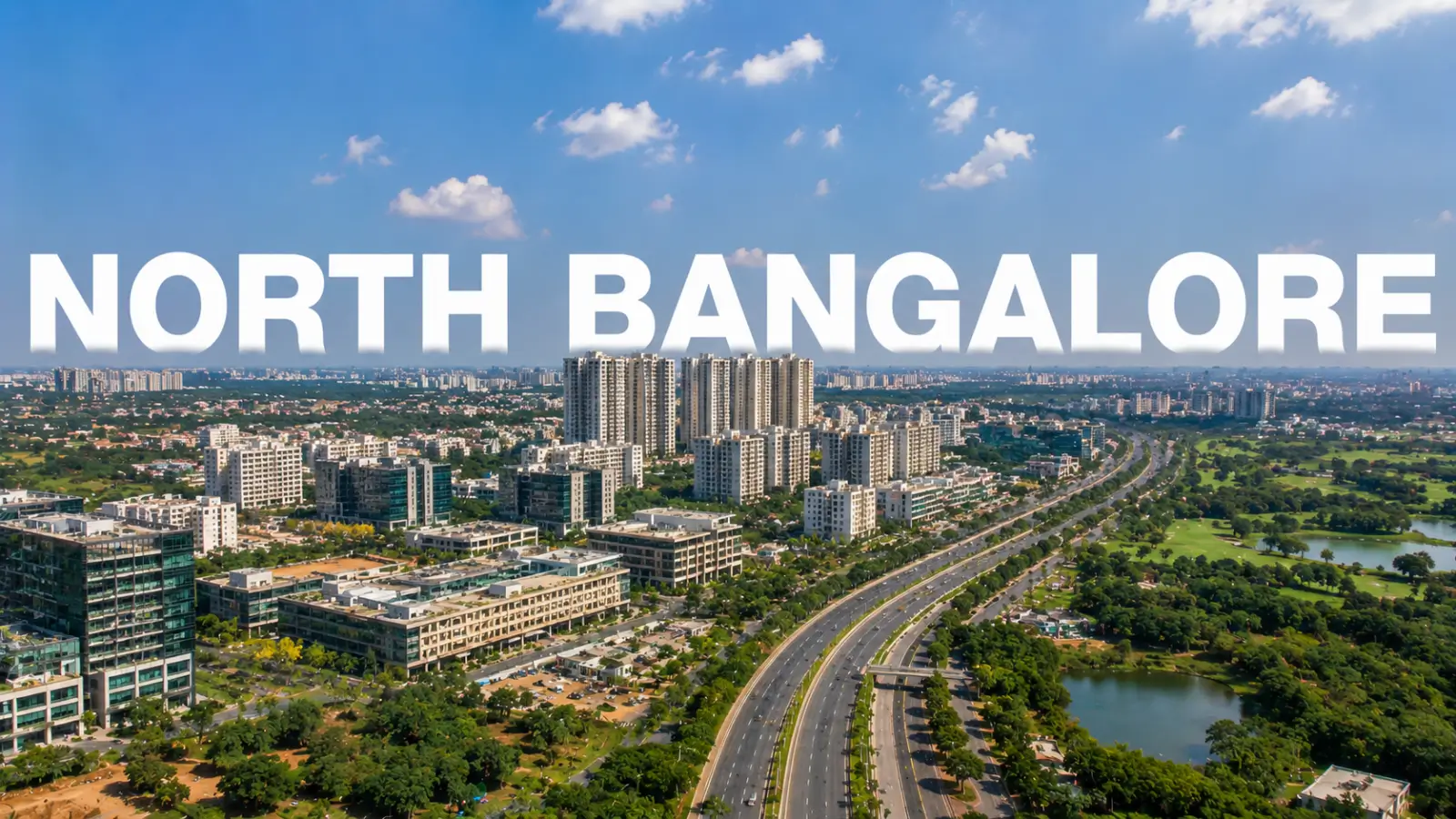
North Bangalore township destination - why the airport corridor has emerged as Bangalore's primary township geography and what supports continued buildout.
Smart City Township Programme Alignment
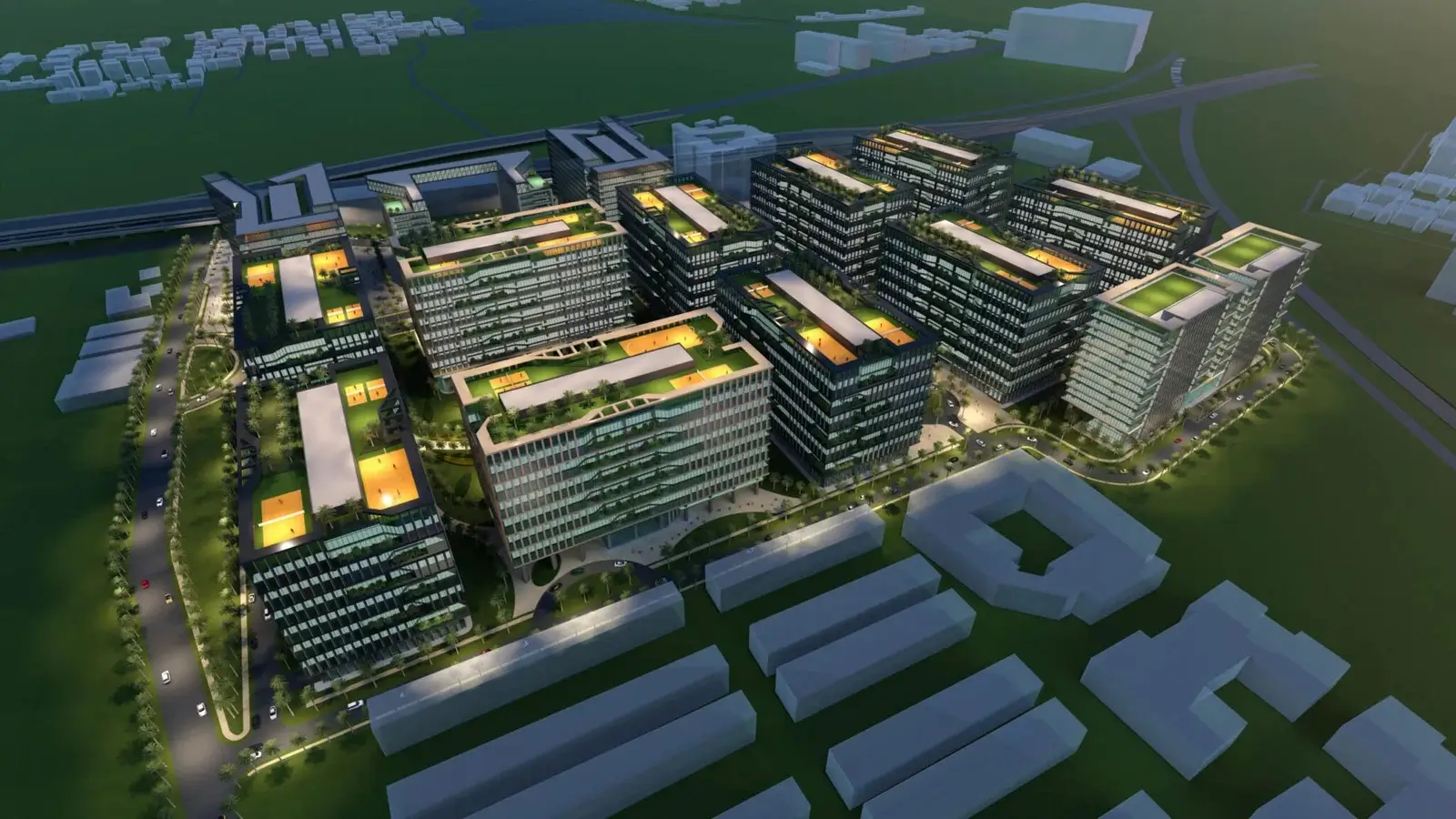
Smart city township Century Immencity - how the smart city framework aligns with township design and what it delivers operationally.
How the Bangalore IT Boom Drives Township Demand
IT boom township demand Bangalore - how the IT and GCC sector growth drives mixed-use township absorption at Century Immencity.
Aerospace SEZ and Township Demand
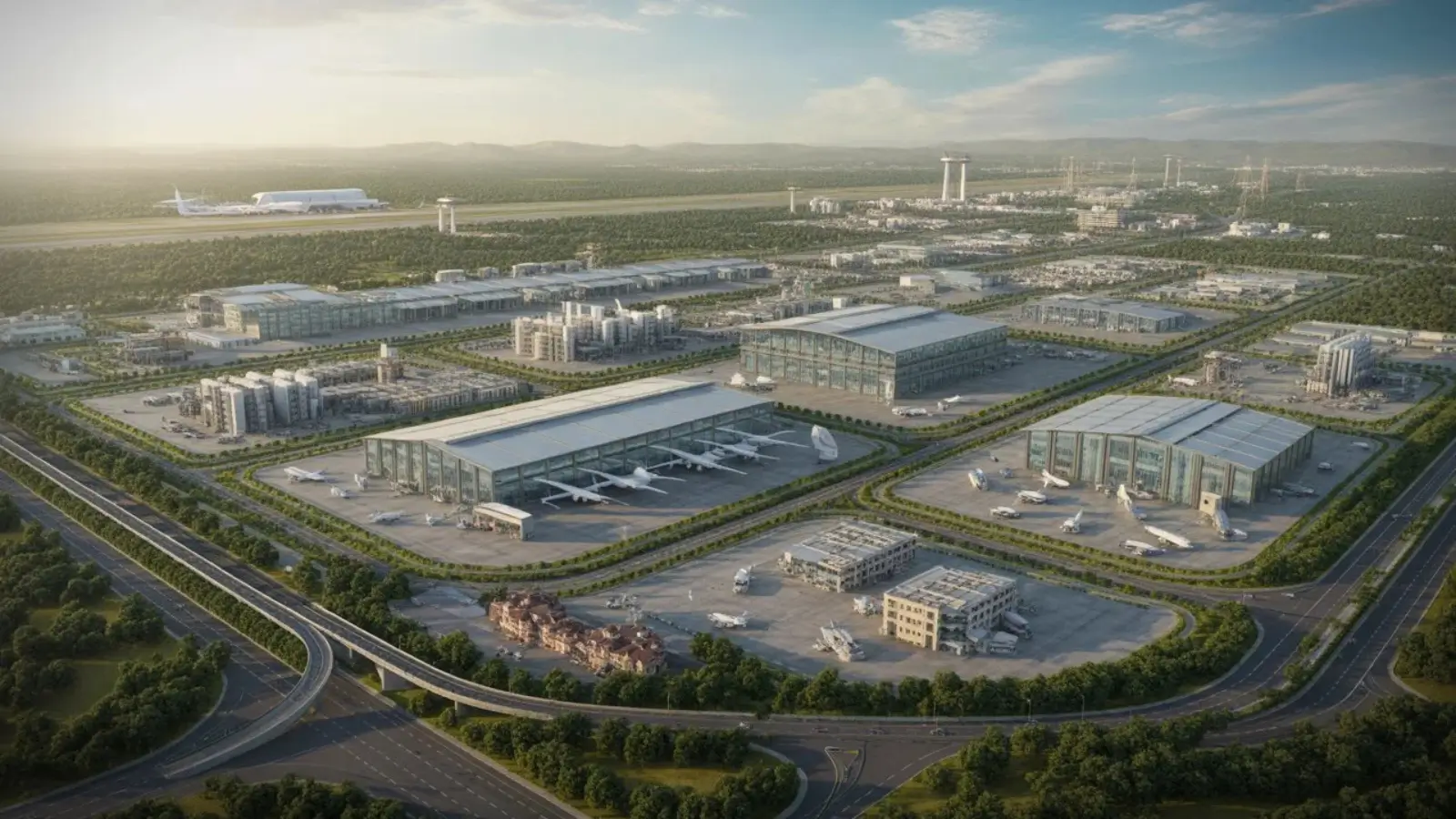
Aerospace SEZ township demand - how the KIADB aerospace cluster supports residential, commercial, and ecosystem demand at Century Immencity.