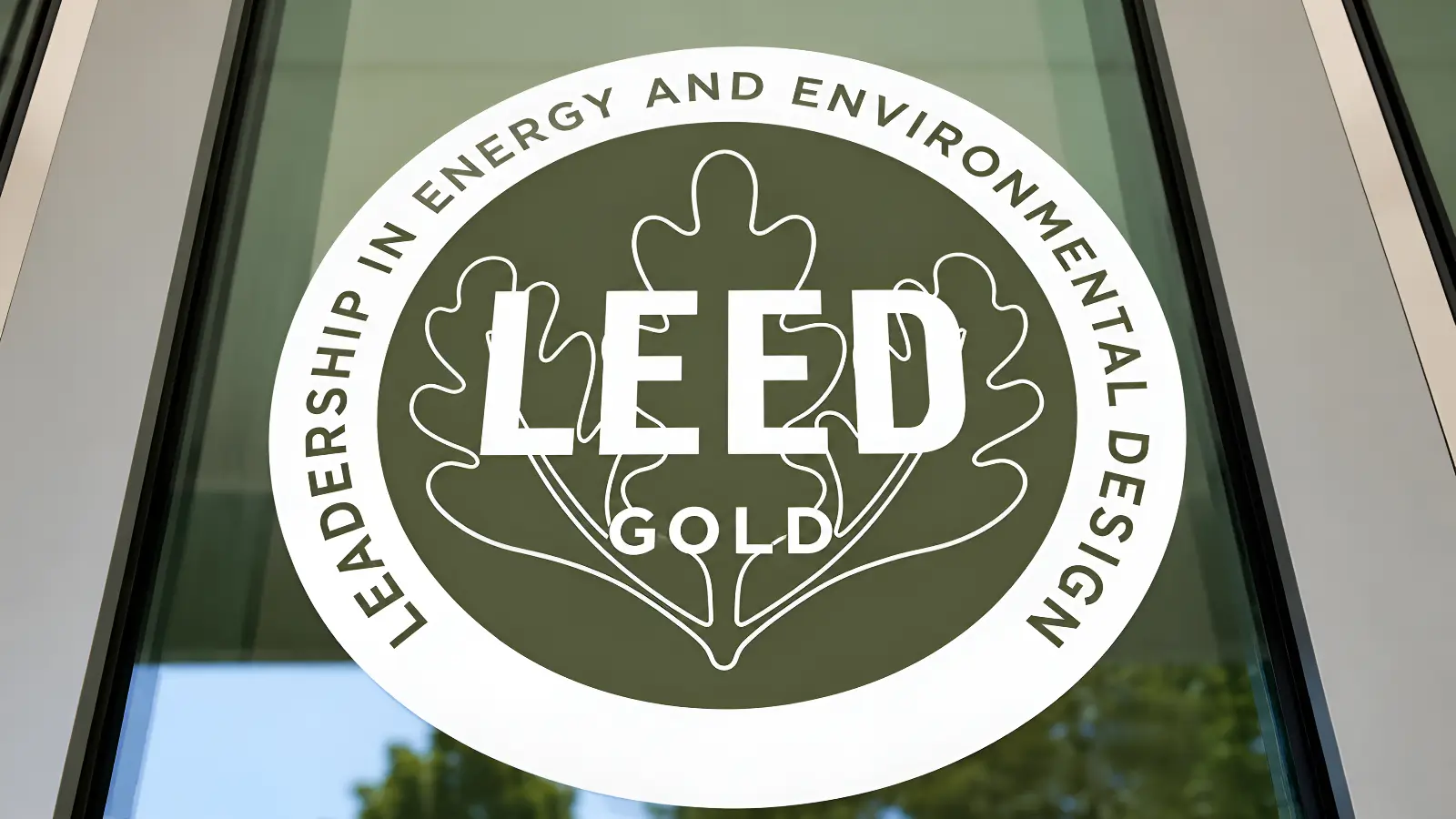
LEED Gold township Century Immencity — sustainability framework, what LEED Gold means at 52-acre scale, and how the certification supports long-term asset value.
Why Sustainability Certification Matters at Township Scale
Single-building LEED certification is widely available across Bangalore Grade A commercial developments. Township-scale LEED certification is materially rarer because it requires sustainability discipline across multiple components simultaneously — residential, commercial, retail, hospitality, and the public realm. The LEED Gold township Century Immencity target therefore represents one of the substantively differentiating commitments the developer has made, distinguishing the project from peer townships that target building-level sustainability or no third-party verified certification at all. Understanding what LEED Gold means at township scale helps buyers evaluate whether the certification claim represents genuine sustainability discipline or marketing positioning.
LEED Certified Township — What the Certification Covers
LEED certified township certification at the township scale covers multiple sustainability dimensions. Energy efficiency across building operations including HVAC systems, lighting, and mechanical equipment. Water conservation through rainwater harvesting, greywater recycling, and low-flow fixtures. Material sustainability through low-emission materials, recycled content, and locally-sourced materials reducing transportation emissions. Indoor environmental quality through ventilation, daylight access, and material off-gassing controls. Site sustainability through landscaping water efficiency, heat island reduction, and stormwater management. The LEED Gold township Century Immencity target requires demonstrated performance across all these dimensions at the 52-acre footprint scale, which is structurally more demanding than building-level certification.
LEED Certified Century Projects
LEED certified Century projects across Century Real Estate's portfolio include multiple developments that have achieved LEED certification at various levels (Silver, Gold) at the building scale. This certification history provides the institutional capability for the LEED Gold township Century Immencity target. The Century sustainability framework includes the design-stage sustainability planning, the construction-stage execution discipline, the post-handover operational protocols, and the third-party verification relationships that LEED certification requires. The developer's accumulated LEED experience reduces the certification execution risk that less-experienced developers would carry when pursuing township-scale LEED Gold.
Sustainability Premium and Long-Term Value
Sustainability premium for LEED-certified luxury real estate has become measurable over the last decade. Buyers and tenants increasingly evaluate sustainability certification as a factor in their decision-making, with LEED-certified inventory commanding 3 to 7 percent pricing premiums and faster absorption rates than non-certified peers. The LEED Gold township Century Immencity certification target therefore supports both the residential and the commercial value proposition through this sustainability premium. Beyond the headline premium, LEED-certified inventory delivers ongoing operational savings through energy efficiency, water conservation, and reduced maintenance costs that compound across the holding period — supporting better cash-flow economics for buyers across the long term.
Carbon Footprint and Climate Resilience
Carbon footprint reduction and climate resilience considerations are becoming increasingly relevant for long-horizon real estate decisions. The LEED Gold township Century Immencity target supports both. The energy efficiency framework reduces the project's operational carbon footprint. The water conservation framework reduces the project's water footprint and improves resilience to water scarcity in Bangalore's increasingly stressed water supply environment. The material sustainability framework reduces embodied carbon from construction. The site sustainability framework supports climate adaptation through landscaping, stormwater management, and heat island reduction. For buyers committed to ultra-luxury inventory that will be held for 15 to 25 years, these long-term sustainability and resilience considerations are increasingly material to asset value preservation.
LEED Gold Framework Reference
LEED Category | Century Immencity Approach | Township-Scale Benefit |
|---|---|---|
Energy Efficiency | High-efficiency HVAC, lighting, mechanical | Operational cost reduction |
Water Conservation | Rainwater harvesting, greywater recycling, low-flow | Water scarcity resilience |
Material Sustainability | Low-emission, recycled content, local sourcing | Embodied carbon reduction |
Indoor Environmental Quality | Ventilation, daylight, low-VOC materials | Resident health and comfort |
Site Sustainability | Landscaping efficiency, heat island reduction | Climate adaptation |
Stormwater Management | On-site detention, permeable surfaces | Flood resilience |
Sustainable Transportation | Metro integration, EV infrastructure | Lower transport emissions |
LEED Documentation | Third-party verified | Credible certification |
Related article: Construction Quality at Township Scale.
FAQs
What does LEED Gold certification at township scale mean?
Demonstrated sustainability performance across energy efficiency, water conservation, material sustainability, indoor environmental quality, and site sustainability — all verified by third-party assessment at the 52-acre footprint scale.Does sustainability certification affect asset value?
Yes. LEED-certified inventory commands 3-7% pricing premiums and faster absorption rates. Ongoing operational savings through energy efficiency, water conservation, and reduced maintenance support better cash-flow economics across the holding period.Why is township-scale LEED rarer than building-level LEED?
Township-scale certification requires sustainability discipline across multiple components (residential, commercial, retail, hospitality) and the public realm simultaneously. Building-level certification is widely available but does not address the integrated district sustainability profile.
Related Articles
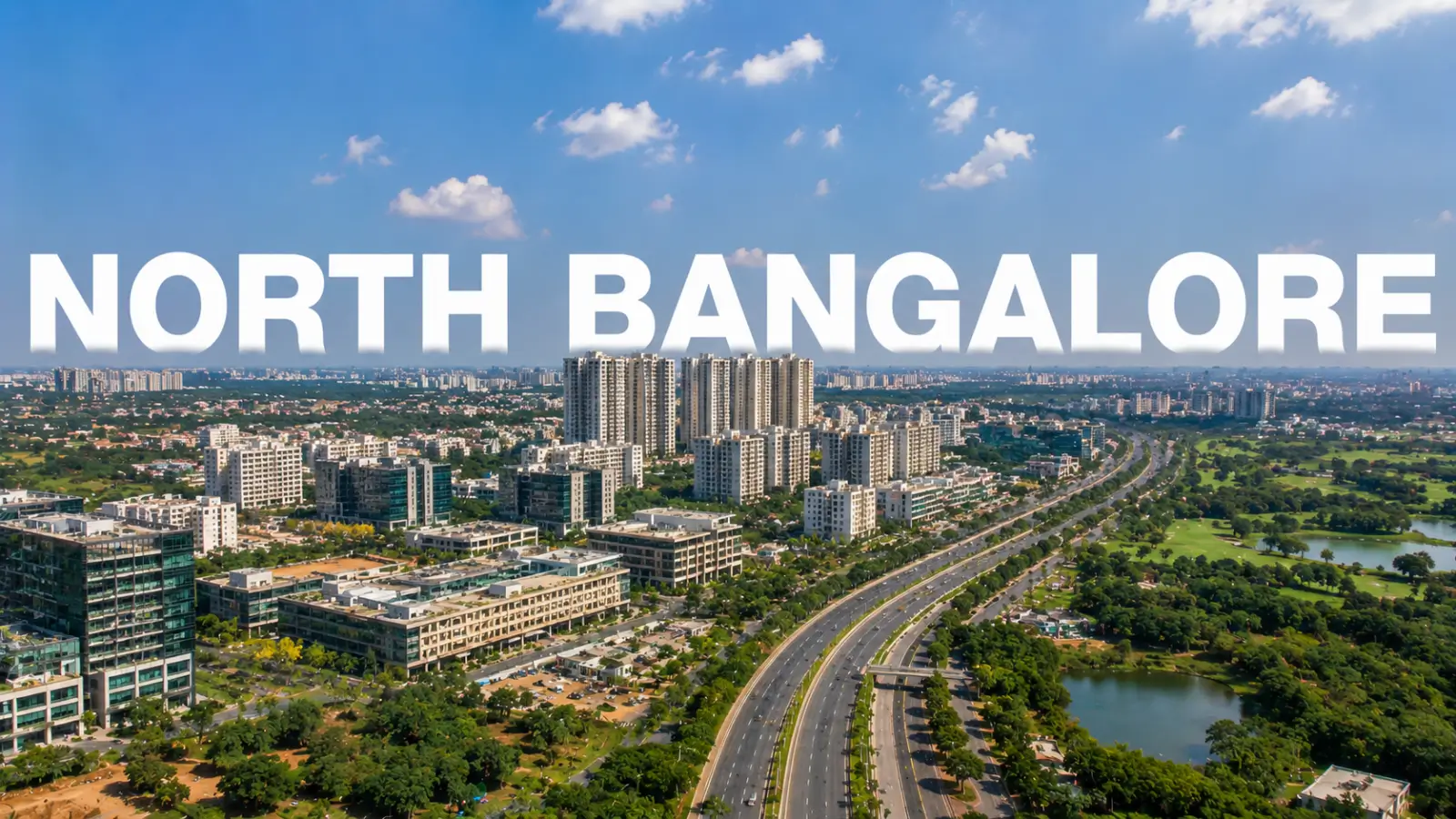
North Bangalore as the Township Destination
North Bangalore township destination - why the airport corridor has emerged as Bangalore's primary township geography and what supports continued buildout.
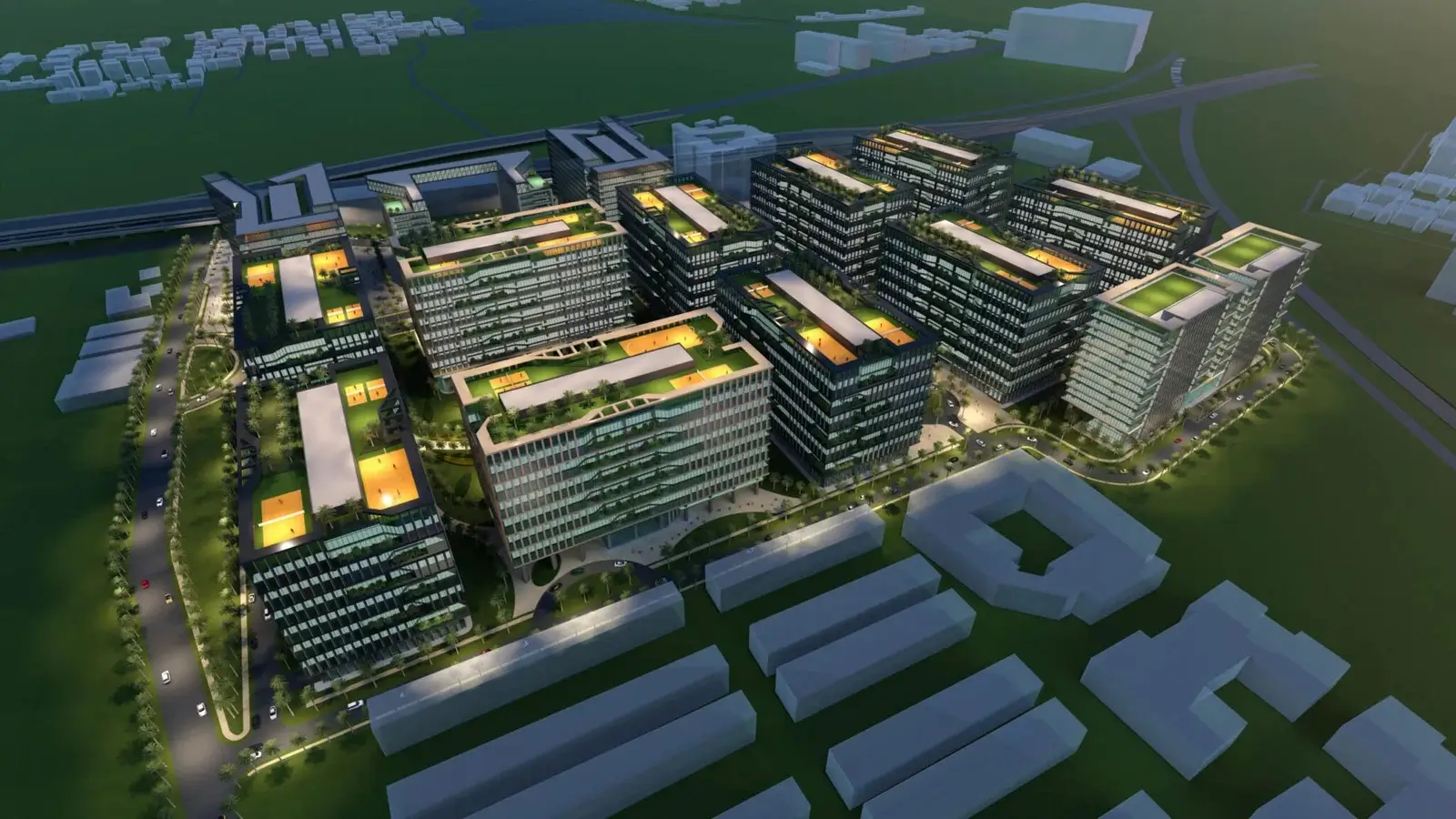
Smart City Township Programme Alignment
Smart city township Century Immencity - how the smart city framework aligns with township design and what it delivers operationally.
How the Bangalore IT Boom Drives Township Demand
IT boom township demand Bangalore - how the IT and GCC sector growth drives mixed-use township absorption at Century Immencity.
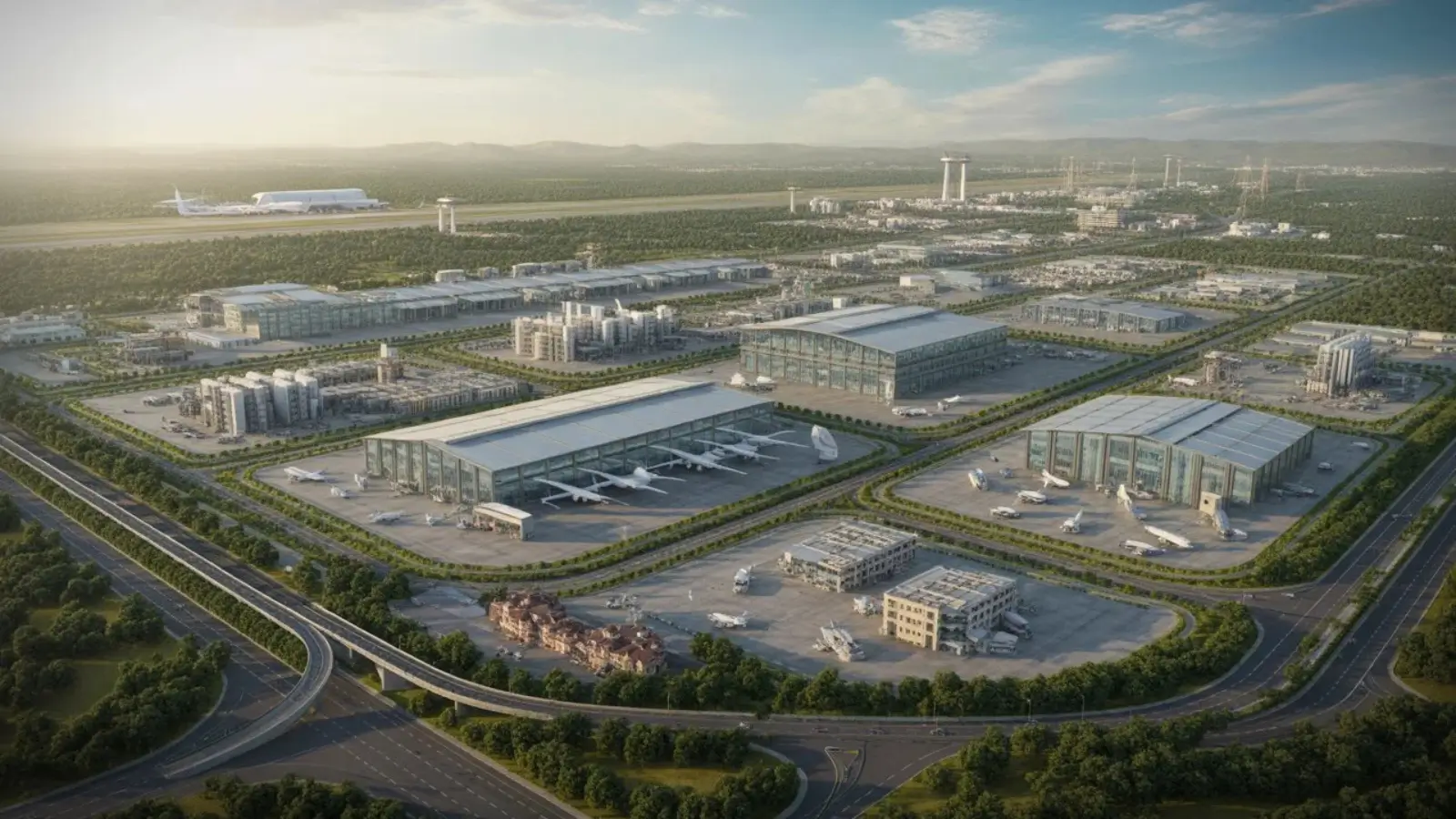
Aerospace SEZ and Township Demand
Aerospace SEZ township demand - how the KIADB aerospace cluster supports residential, commercial, and ecosystem demand at Century Immencity.