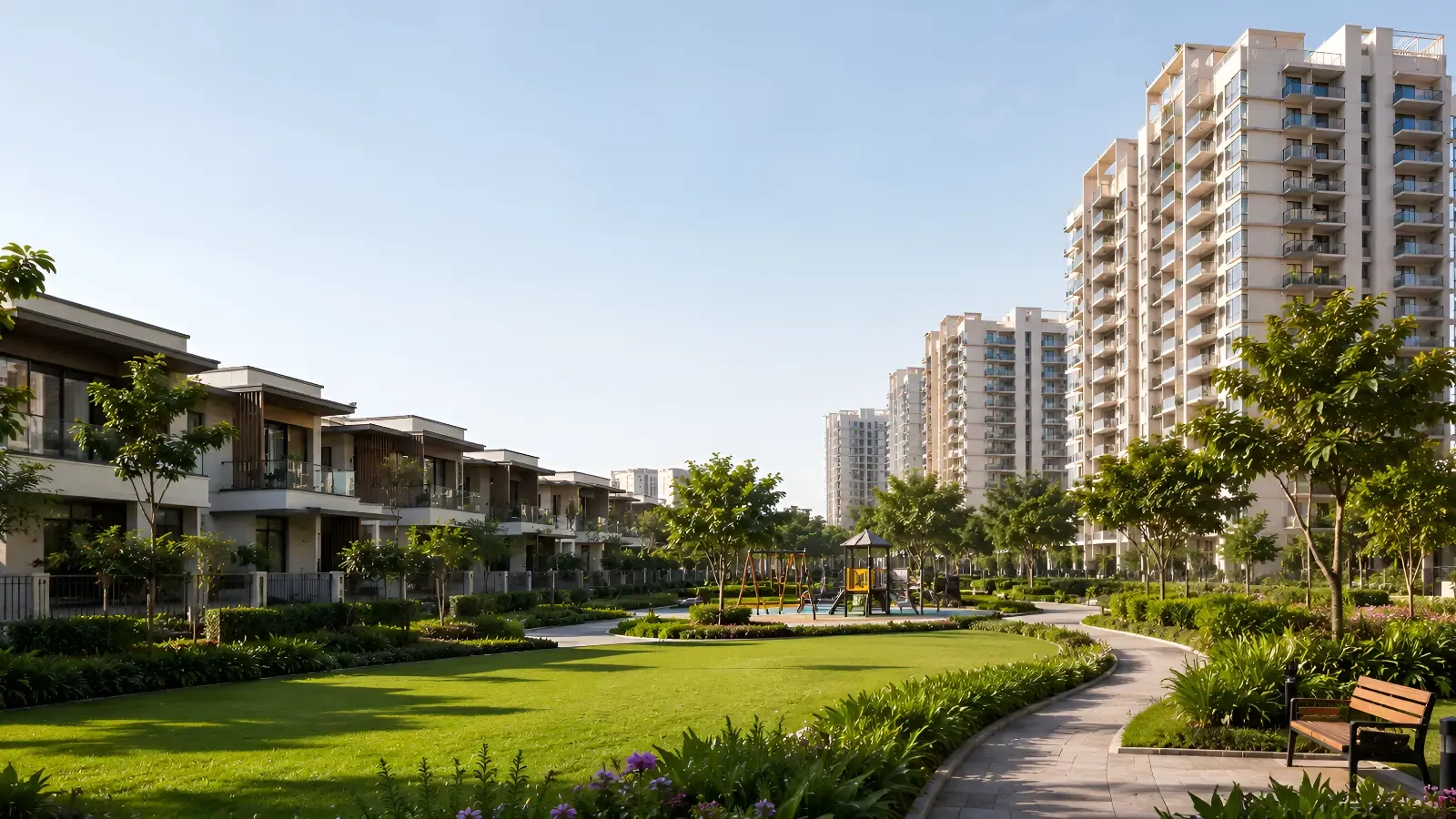
Upgrade to township residence Bangalore - guide for existing homeowners moving from premium to ultra-luxury township residences.
Why Buyers Upgrade From Premium to Township Residence
Upgrade buyers represent a meaningful share of Century Immencity demand. Existing homeowners who currently occupy premium residential addresses in Bangalore upgrade to township residence for several specific reasons - career progression generating sufficient discretionary income for ultra-luxury entry, family lifecycle changes requiring different lifestyle infrastructure, accumulated investment returns supporting larger asset deployment, and recognition that mixed-use township living offers lifestyle infrastructure that standalone residential cannot match. The upgrade to township residence Bangalore decision therefore is typically a structured progression rather than an opportunistic transaction, with upgrade buyers having clearer requirements than first-time buyers.
Premium to Ultra-Luxury Upgrade Path
Premium to ultra-luxury upgrade path involves several specific transitions. From 2,000-2,500 sq.ft. premium residence to 3,500-5,000 sq.ft. ultra-luxury residence. From premium specification (good but not top-tier) to ultra-luxury specification (top-tier across structural and finish quality). From standalone or smaller-scale residential to mixed-use township integration. From conventional shared-wall apartment to zero common walls residential design. From standard amenities (5,000-15,000 sqft clubhouse) to ultra-luxury amenities (40,000 sqft clubhouse). The upgrade to township residence Bangalore transition therefore involves multiple simultaneous specification and lifestyle upgrades, which is part of why upgrade buyers carefully evaluate the comprehensive value proposition rather than focusing on any single dimension.
Financial Structuring for Upgrade Buyers
Financial structuring for upgrade to township residence Bangalore transactions typically involves a different cash flow profile than first-time purchases. Upgrade buyers often plan to sell their existing premium residence to fund the township residence purchase, requiring timing coordination between the two transactions. Some buyers retain their existing residence as a rental investment while purchasing the township residence on separate financing. Some buyers fund the township purchase primarily through accumulated wealth without leveraging existing property. The upgrade to township residence Bangalore financial structuring therefore deserves specific planning attention, ideally with input from a financial advisor familiar with multi-property transitions. Tax planning around the existing residence sale (Section 54 reinvestment provisions for capital gains exemption) adds another financial planning layer.
Lifestyle Transition Considerations
Lifestyle transition considerations for upgrade to township residence Bangalore buyers extend beyond the financial dimension. Locality transition - moving from established premium localities (Indiranagar, Koramangala, HSR, Whitefield) to airport corridor (Jakkur) requires lifestyle adjustment that some upgrade buyers anticipate carefully. Community transition - leaving established neighbour relationships and building new community within the township requires social adjustment. Daily routine transition - moving from familiar commute, school, and lifestyle patterns to new patterns requires logistical adjustment. The upgrade to township residence Bangalore decision should evaluate these lifestyle transition dimensions alongside the residence specification upgrade, with buyers comfortable with the transition profile being better positioned for satisfaction after the move.
Timing the Upgrade
Timing the upgrade to township residence Bangalore transaction involves balancing several factors. Career stage timing - buyers in career growth phases benefit from upgrading earlier rather than waiting. Family lifecycle timing - buyers with children entering school years benefit from upgrading before school enrollment to avoid disruptive moves. Market timing - pre-launch entry at Century Immencity offers pricing advantage that post-launch entry would not provide. Financial timing - upgrade transactions should occur when financial position supports the multi-year delivery commitment without straining other financial priorities. The upgrade to township residence Bangalore optimal timing therefore depends on individual buyer circumstances, with the current pre-launch window offering pricing advantage that subsequent windows will not match.
Upgrade Decision Reference
Upgrade Dimension | From (Premium) | To (Ultra-Luxury Township) |
|---|---|---|
Residence Size | 2,000-2,500 sqft | 3,500-5,000 sqft |
Specification Tier | Premium (good but not top) | Ultra-luxury (top-tier) |
Development Type | Standalone or smaller-scale | Mixed-use township |
Wall Construction | Conventional shared-wall | Zero common walls |
Clubhouse Size | 5,000-15,000 sqft | 40,000 sqft |
Component Integration | Residential only | Residential + commercial + retail + hospitality + cultural |
Pricing | 9,000-13,000/sqft | 17,500-18,500/sqft |
Total Investment | approx. 2-3 Cr | approx. 4-7 Cr |
Capital Appreciation Profile | Single-driver | Multi-driver township |
Related article: First-Time Buyer Guide to Century Immencity.
FAQs
Why do buyers upgrade from premium to township residence?
Career progression generating ultra-luxury entry capability, family lifecycle changes requiring different lifestyle infrastructure, accumulated investment returns supporting larger asset deployment, and recognition that mixed-use township living offers lifestyle infrastructure standalone residential cannot match.How do upgrade buyers finance the transaction?
Common structures include selling existing residence to fund township purchase, retaining existing residence as rental investment while purchasing new on separate financing, or funding primarily through accumulated wealth. Section 54 reinvestment provisions can support tax planning.When is the right time to upgrade?
Timing balances career stage (upgrade earlier in growth phases), family lifecycle (upgrade before school enrollment), market timing (pre-launch pricing advantage), and financial timing (supporting multi-year delivery commitment).
Related Articles
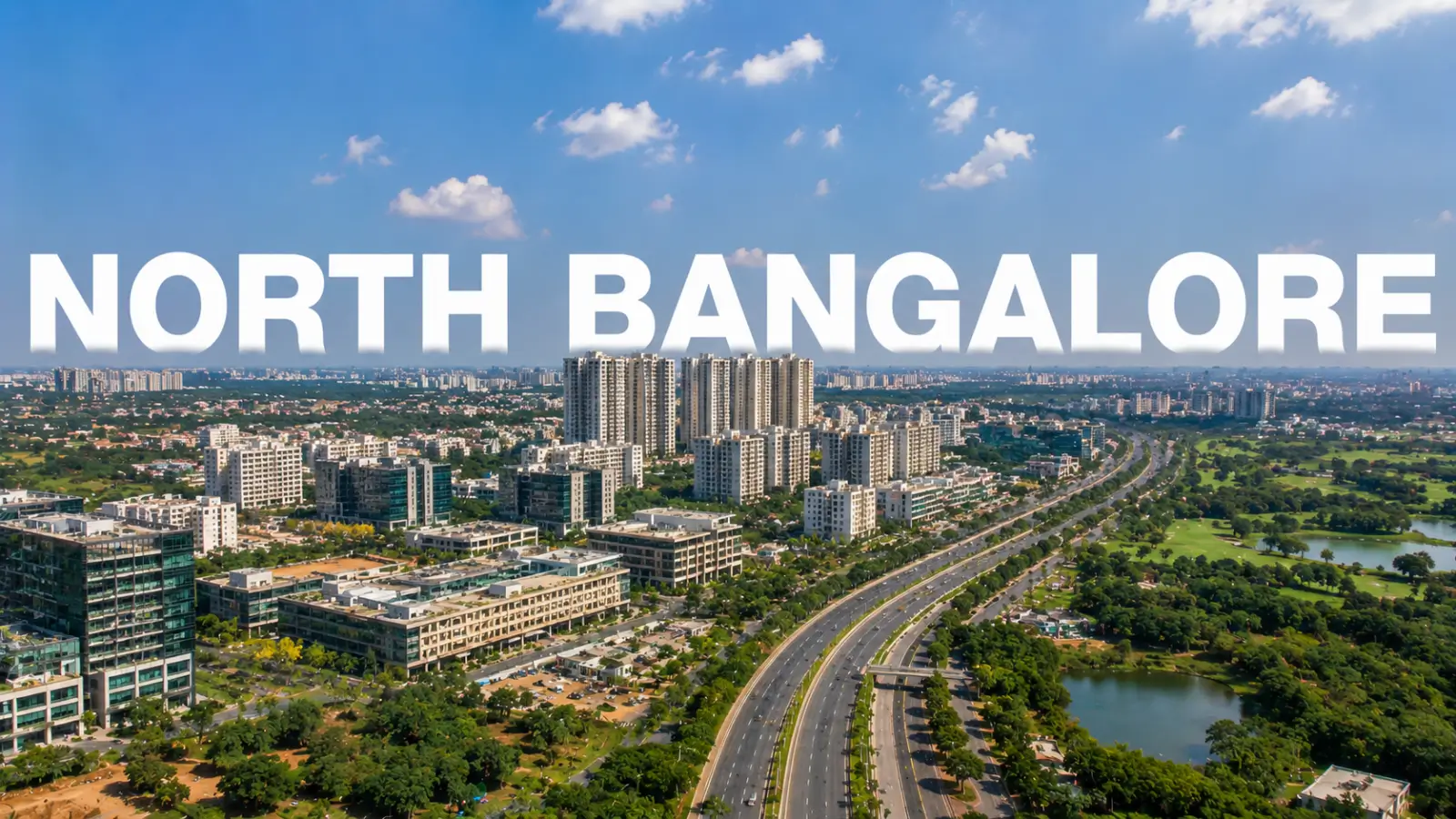
North Bangalore as the Township Destination
North Bangalore township destination - why the airport corridor has emerged as Bangalore's primary township geography and what supports continued buildout.
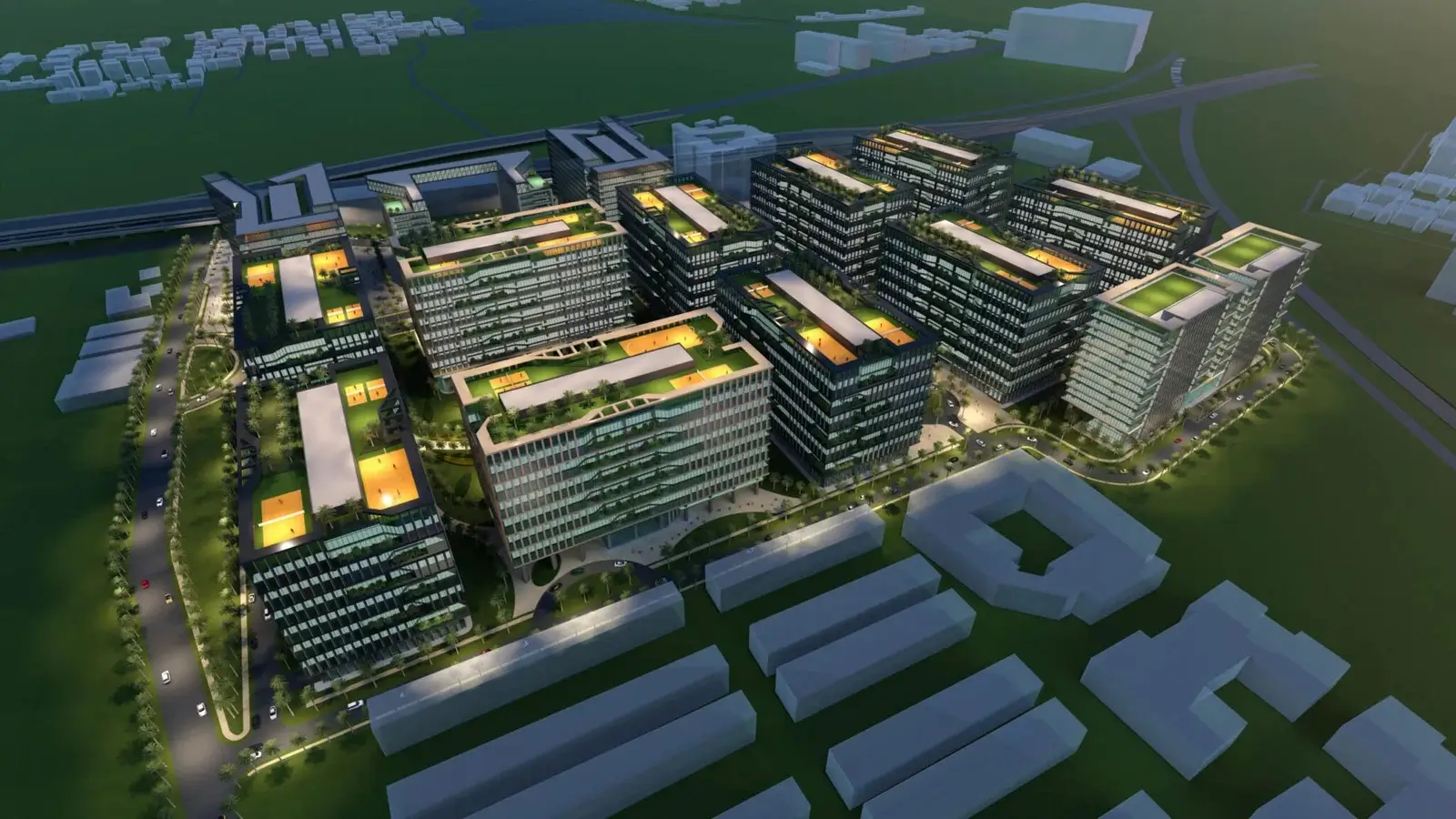
Smart City Township Programme Alignment
Smart city township Century Immencity - how the smart city framework aligns with township design and what it delivers operationally.
How the Bangalore IT Boom Drives Township Demand
IT boom township demand Bangalore - how the IT and GCC sector growth drives mixed-use township absorption at Century Immencity.
Aerospace SEZ and Township Demand
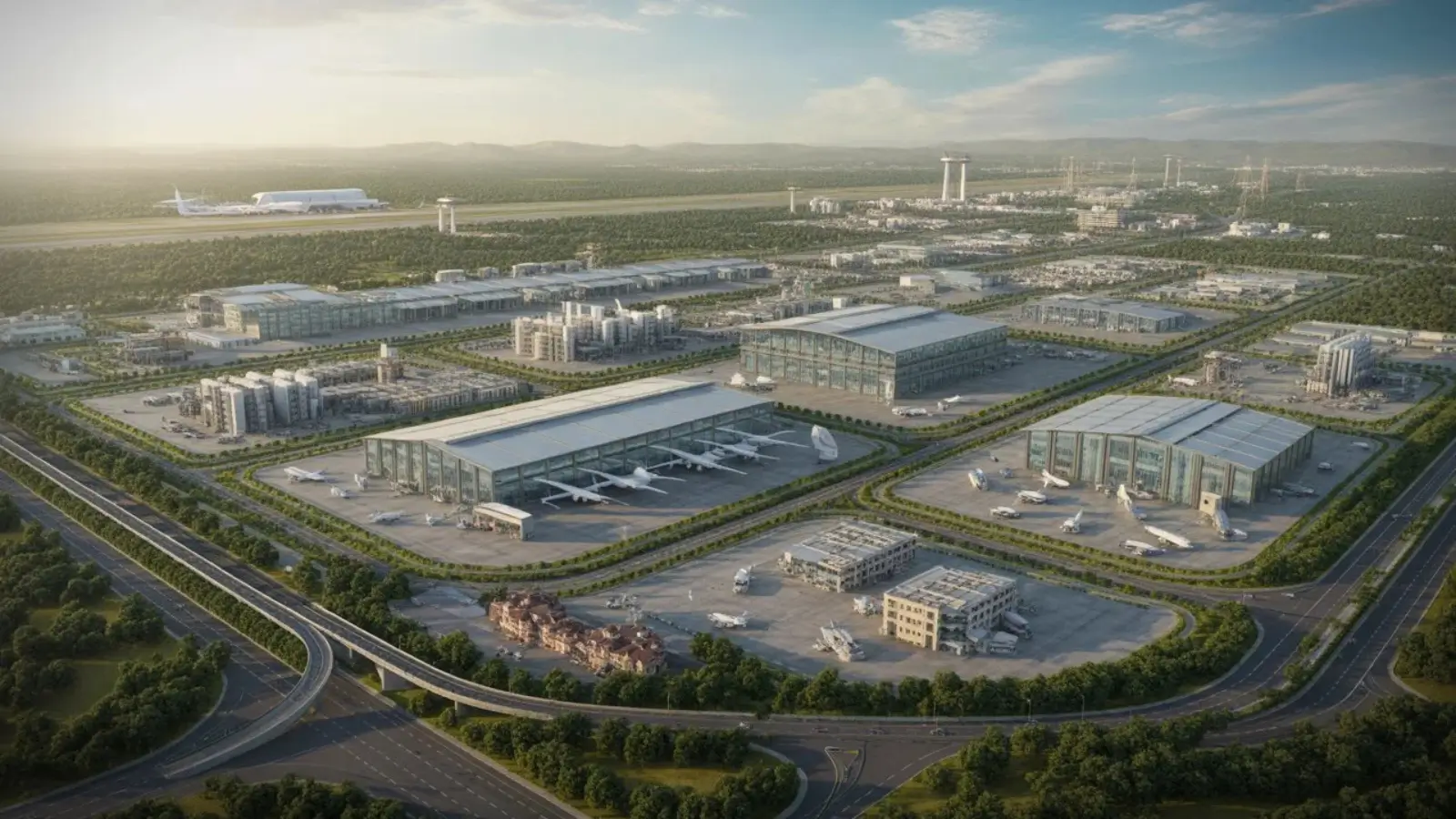
Aerospace SEZ township demand - how the KIADB aerospace cluster supports residential, commercial, and ecosystem demand at Century Immencity.