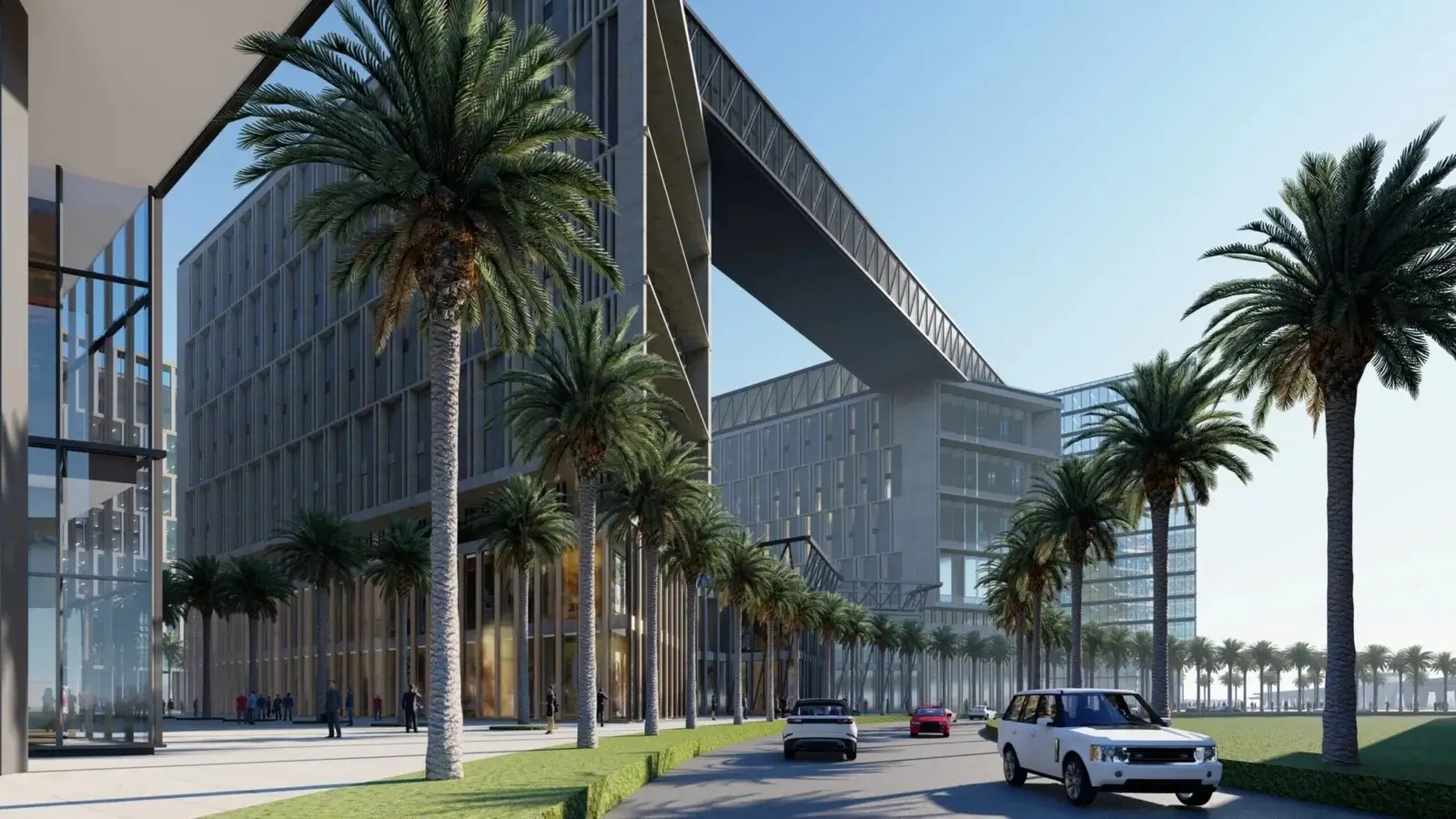
Pedestrian priority township planning at Century Immencity - central spine design, walkable district, and how pedestrian-first design reshapes township living.
Why Pedestrian-Priority Planning Defines Modern Townships
The single most important design decision in any 52-acre mixed-use township is how to organise pedestrian and vehicular movement. Townships that prioritise vehicular routing organise components around roads and parking, with pedestrians moving between buildings via secondary routes that cross traffic. Townships that prioritise pedestrian routing organise components around pedestrian-priority spines, with vehicles managed through separate routing and parking infrastructure. The pedestrian priority township planning approach at Century Immencity follows the contemporary best practice, with the central pedestrian spine being the organising principle around which residential, commercial, retail, hospitality, and cultural components are positioned.
Central Pedestrian Spine - The Organising Principle
The central pedestrian spine at Century Immencity runs through the township footprint, connecting the residential parcel, the office park, the retail spine, and the hospitality and cultural zones. The spine is engineered as the primary movement infrastructure for residents, commercial workers, retail customers, and hospitality guests - with vehicular routing handled through separate roads at the township perimeter and parking infrastructure accessed via dedicated routing that does not cross the pedestrian spine. The pedestrian priority township planning approach therefore enables residents to traverse the township footprint without crossing vehicular roadways for daily activities, which is structurally different from vehicle-priority townships.
Public Realm Bangalore Practice
Public realm Bangalore practice for pedestrian-priority township design extends beyond just the central spine into multiple operational elements. Active retail and dining frontages along the spine support pedestrian visual interest and informal social activity. Landscape integration provides shade, climate comfort, and visual variety across the pedestrian routing. Pedestrian-scaled lighting supports evening activity and safety. Public seating, water features, and gathering zones at strategic locations support informal community use. The pedestrian priority township planning approach therefore creates a public realm that operates as activity infrastructure rather than just transit infrastructure, supporting the kind of urban district vitality that distinguishes contemporary townships from older mixed-use developments.
Daily Lifestyle Implications
Daily lifestyle implications of pedestrian priority township planning at Century Immencity operate across morning, midday, evening, and weekend routines. Morning - residents walking to the integrated office park or metro station traverse landscaped pedestrian corridors. Midday - office workers from the commercial component lunch at retail spine venues without vehicular routing. Evening - residents and visitors use the retail spine and gathering zones for dining and informal social activity. Weekend - families use the public realm for outdoor activity without children safety being compromised by vehicular routing. The pedestrian priority township planning daily lifestyle difference is most apparent through the absence of vehicular friction.
Vehicular Management Without Compromising Access
Pedestrian-priority planning does not eliminate vehicular access - it manages vehicular routing through separate infrastructure that does not compromise pedestrian movement. Vehicular access at Century Immencity operates through perimeter roads with controlled entry points to residential, commercial, retail, and hospitality components. Parking infrastructure is concentrated in basements and dedicated structures rather than dispersed surface lots. Service vehicles operate through dedicated service routing that does not cross the pedestrian spine. The pedestrian priority township planning approach therefore preserves the vehicular access that residents, workers, and visitors need while preventing vehicular routing from compromising the pedestrian experience.
Pedestrian Planning Reference
Planning Element | Approach | What It Delivers |
|---|---|---|
Central Pedestrian Spine | Continuous landscaped corridor | Cross-township movement without traffic |
Component Access via Spine | All components connect to spine | Walkable destination access |
Vehicular Routing | Perimeter roads, controlled entry | Access without spine compromise |
Parking Infrastructure | Basements and dedicated structures | Surface space released to pedestrians |
Service Vehicle Routing | Dedicated service corridors | Daily service without disruption |
Pedestrian-Scale Lighting | Continuous along spine and paths | Evening safety and activity |
Active Retail Frontages | Continuous activity along spine | Pedestrian visual interest |
Landscape Integration | Shade, climate, biodiversity | Climate comfort and visual variety |
Public Gathering Zones | Strategic locations along spine | Informal community activity |
Related article: Open Space Strategy Across the 52-Acre Township.
FAQs
What is pedestrian-priority township planning?
A planning approach where the central pedestrian spine is the organising principle around which components are positioned, with vehicular routing handled through separate perimeter infrastructure.How does the central pedestrian spine operate?
The spine runs through the township footprint connecting all components. Active retail frontages, landscape integration, pedestrian-scaled lighting, and public gathering zones together create activity infrastructure rather than only transit infrastructure.Does pedestrian-priority eliminate vehicular access?
No. Vehicular access operates through perimeter roads with controlled entry, basement parking, and dedicated service routing. Pedestrian-priority manages vehicular routing rather than eliminating it.
Related Articles
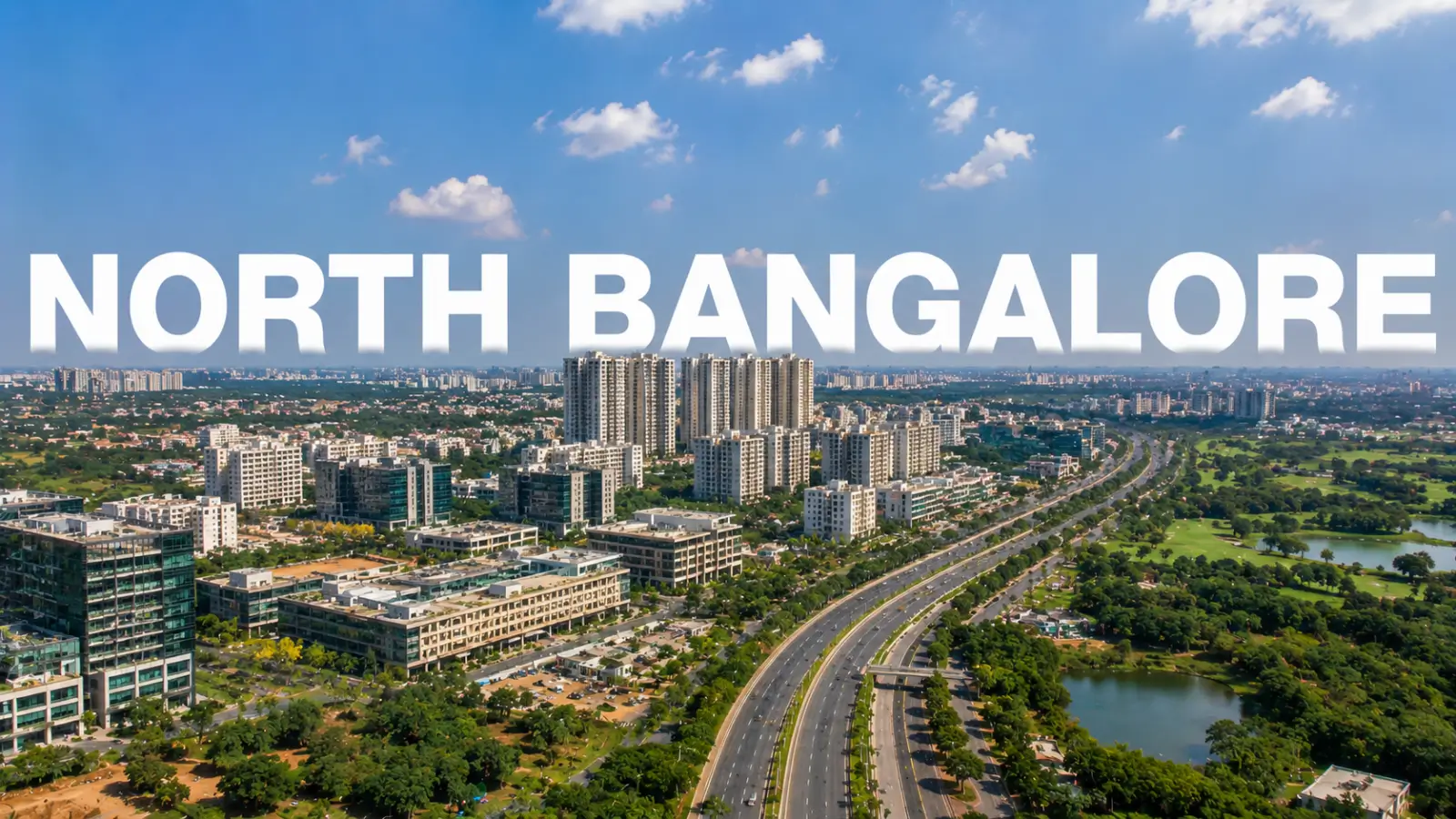
North Bangalore as the Township Destination
North Bangalore township destination - why the airport corridor has emerged as Bangalore's primary township geography and what supports continued buildout.
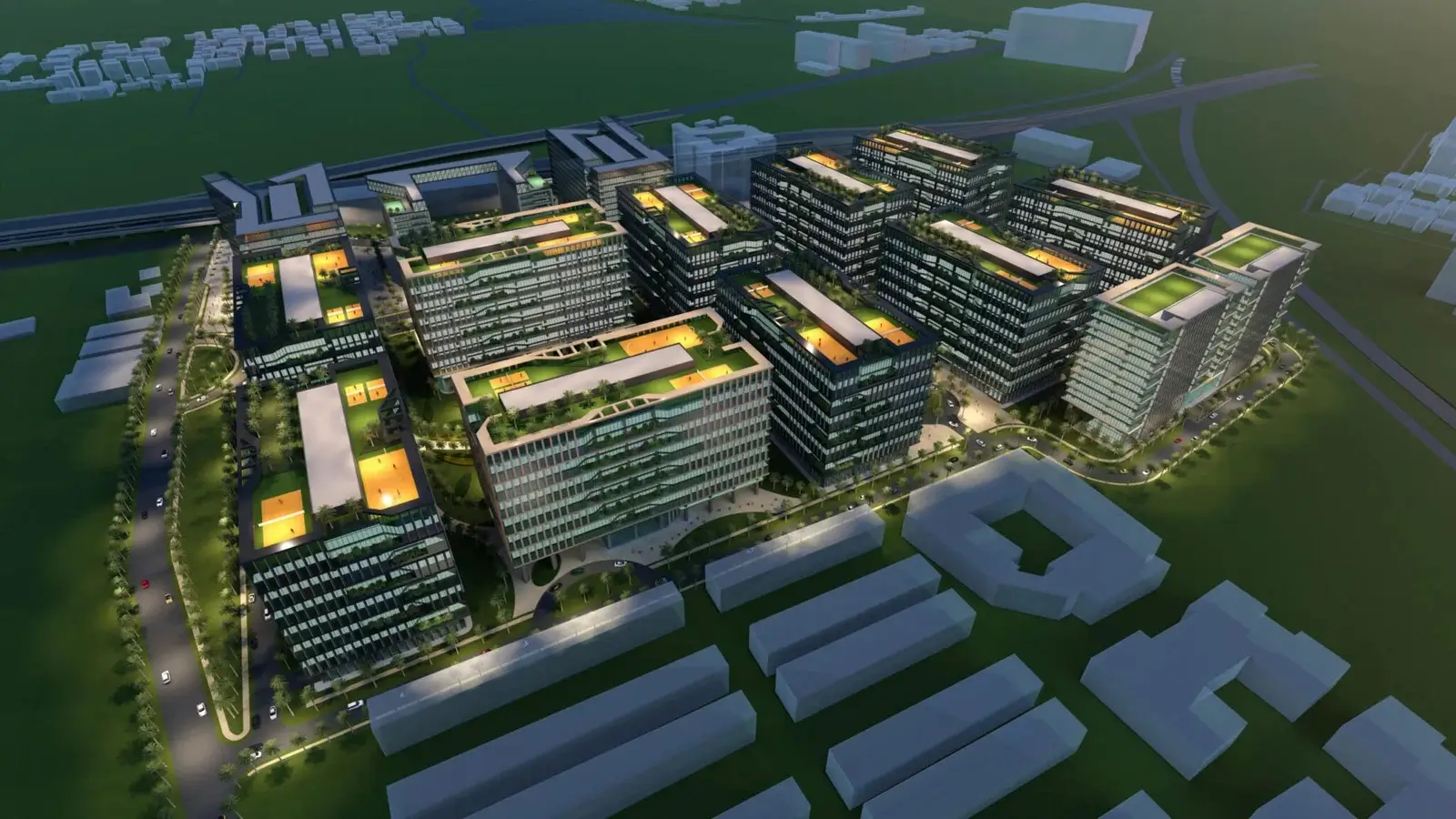
Smart City Township Programme Alignment
Smart city township Century Immencity - how the smart city framework aligns with township design and what it delivers operationally.
How the Bangalore IT Boom Drives Township Demand
IT boom township demand Bangalore - how the IT and GCC sector growth drives mixed-use township absorption at Century Immencity.
Aerospace SEZ and Township Demand
Aerospace SEZ township demand - how the KIADB aerospace cluster supports residential, commercial, and ecosystem demand at Century Immencity.