
Century Immencity vs Yelahanka projects — township vs standalone residential, scale difference, lifestyle profile, and which is right for which buyer.
Township vs Standalone Is the Core Distinction
Yelahanka is a comparable airport corridor locality to Jakkur, but the typical Yelahanka real estate offering is structurally different from Century Immencity. The Yelahanka market is dominated by standalone residential projects ranging from boutique premium developments to larger gated communities, with limited mixed-use integration. The Century Immencity vs Yelahanka projects comparison therefore is fundamentally a township vs standalone comparison rather than a like-for-like locality comparison. Understanding this structural difference clarifies which buyer cohort each option serves and how the value propositions diverge.
Jakkur vs Yelahanka — The Locality Differences
Jakkur vs Yelahanka as localities differ across three dimensions. First, residential maturity — Jakkur reached ultra-luxury market maturity earlier and concentrates premium buyers, while Yelahanka has been the established premium market with broader price-tier distribution. Second, retail and lifestyle anchor proximity — Jakkur's proximity to Phoenix Mall of Asia (6 km) is comparable to Yelahanka's local retail anchors but Jakkur sits closer to the airport-corridor retail buildout. Third, infrastructure and traffic patterns — Yelahanka carries heavier traffic loads through the old town routing, while Jakkur benefits from cleaner NH-44 toll-bypass access. The Century Immencity vs Yelahanka projects comparison includes these locality differences alongside the township-vs-standalone difference.
Township vs Standalone — The Operational Difference
Township vs standalone is the structural distinction that buyers evaluating Century Immencity vs Yelahanka projects should understand. Standalone residential projects deliver residential lifestyle plus the amenity programming the project can support within its land parcel. Township projects deliver residential lifestyle plus genuine mixed-use programming (Grade A office park, high-street retail, hospitality, culture) plus the broader public realm that 52 acres supports. The Century Immencity vs Yelahanka projects comparison therefore is not just a comparison of two residential offerings — it is a comparison of two structurally different categories of residential lifestyle. Buyers who specifically want the live-work-play township experience need the township option, and standalone alternatives cannot replicate this regardless of execution quality.
Scale Differences and What They Enable
Scale differences between Century Immencity vs Yelahanka projects affect everything from amenity density to retail vitality to long-term capital appreciation. Typical Yelahanka standalone projects operate at 3 to 8 acres of footprint, supporting residential amenity programming but not genuine mixed-use integration. The 52-acre Century Immencity supports component critical mass across five functional categories. The implication for buyers is that the daily lifestyle experience differs structurally — Century Immencity residents have working district vitality, retail destination character, and cultural programming within their gate, while standalone Yelahanka residents have residential lifestyle plus excursions to external retail and commercial geographies for non-residential activities.
Township vs Standalone Investment Implications
Township vs standalone investment implications also affect long-term asset value. Standalone residential projects appreciate based on residential demand trajectory alone. Township-integrated residential projects appreciate based on residential demand plus the maturation of the commercial, retail, hospitality, and cultural components within the township footprint. The Century Immencity vs Yelahanka projects investment outlook therefore differs structurally — Century Immencity captures multiple appreciation drivers while standalone Yelahanka projects capture single-driver appreciation. For long-horizon investors, this multi-driver appreciation pattern is one of the structural reasons township-integrated developments command and sustain pricing premiums.
Comparison Reference
Variable | Century Immencity | Typical Yelahanka Standalone |
|---|---|---|
Project type | Mixed-use township | Standalone residential |
Footprint | 52 acres | 3-8 acres typical |
Components | 5-component integration | Residential only (+ amenity) |
Within-gate office park | Yes (Grade A) | No |
Within-gate retail | Yes (high-street spine) | Limited or none |
Within-gate hospitality | Yes (branded hotel) | No |
Ultra-luxury residential tier | Yes (Century Astoria) | Variable |
Appreciation drivers | Multi-driver (residential + components) | Single-driver (residential) |
Pricing tier (residential) | ₹17,500-18,500 | ₹13,000-17,000 |
Related article: Why Jakkur Is the Right Location for a 52-Acre Township.
FAQs
How does Century Immencity compare to Yelahanka projects?
Century Immencity is a 52-acre mixed-use township while typical Yelahanka projects are standalone residential at 3-8 acres. The comparison is township vs standalone rather than a like-for-like locality comparison.What does township vs standalone mean in practice?
Township residents have working district vitality, retail destination character, and cultural programming within their gate. Standalone residents have residential lifestyle plus excursions to external commercial and retail geographies.How does the township structure affect investment value?
Township appreciation is driven by both residential demand and the maturation of commercial, retail, hospitality, and cultural components — a multi-driver pattern. Standalone projects appreciate on single-driver residential demand only.
Related Articles
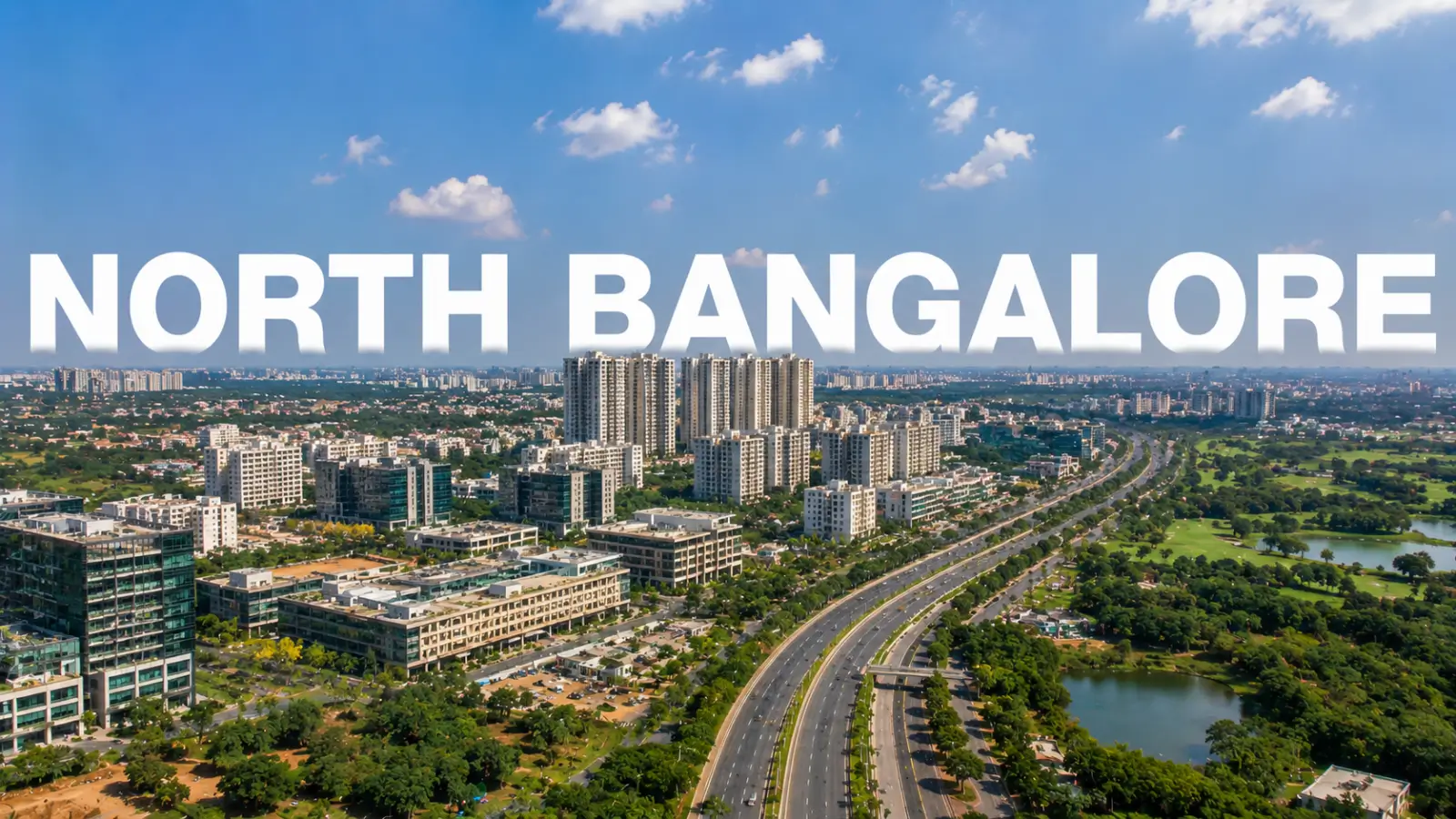
North Bangalore as the Township Destination
North Bangalore township destination - why the airport corridor has emerged as Bangalore's primary township geography and what supports continued buildout.
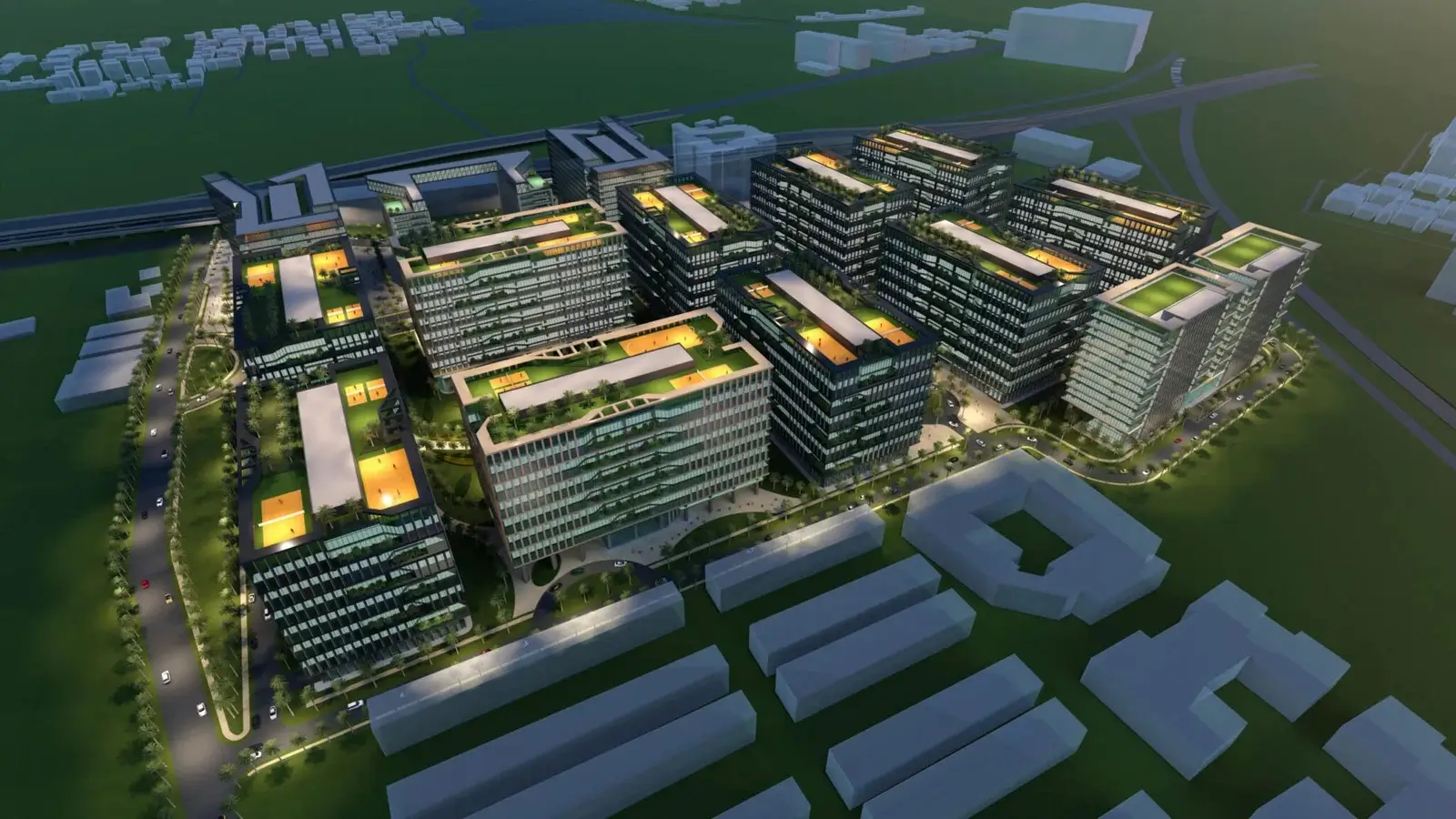
Smart City Township Programme Alignment
Smart city township Century Immencity - how the smart city framework aligns with township design and what it delivers operationally.

How the Bangalore IT Boom Drives Township Demand
IT boom township demand Bangalore - how the IT and GCC sector growth drives mixed-use township absorption at Century Immencity.
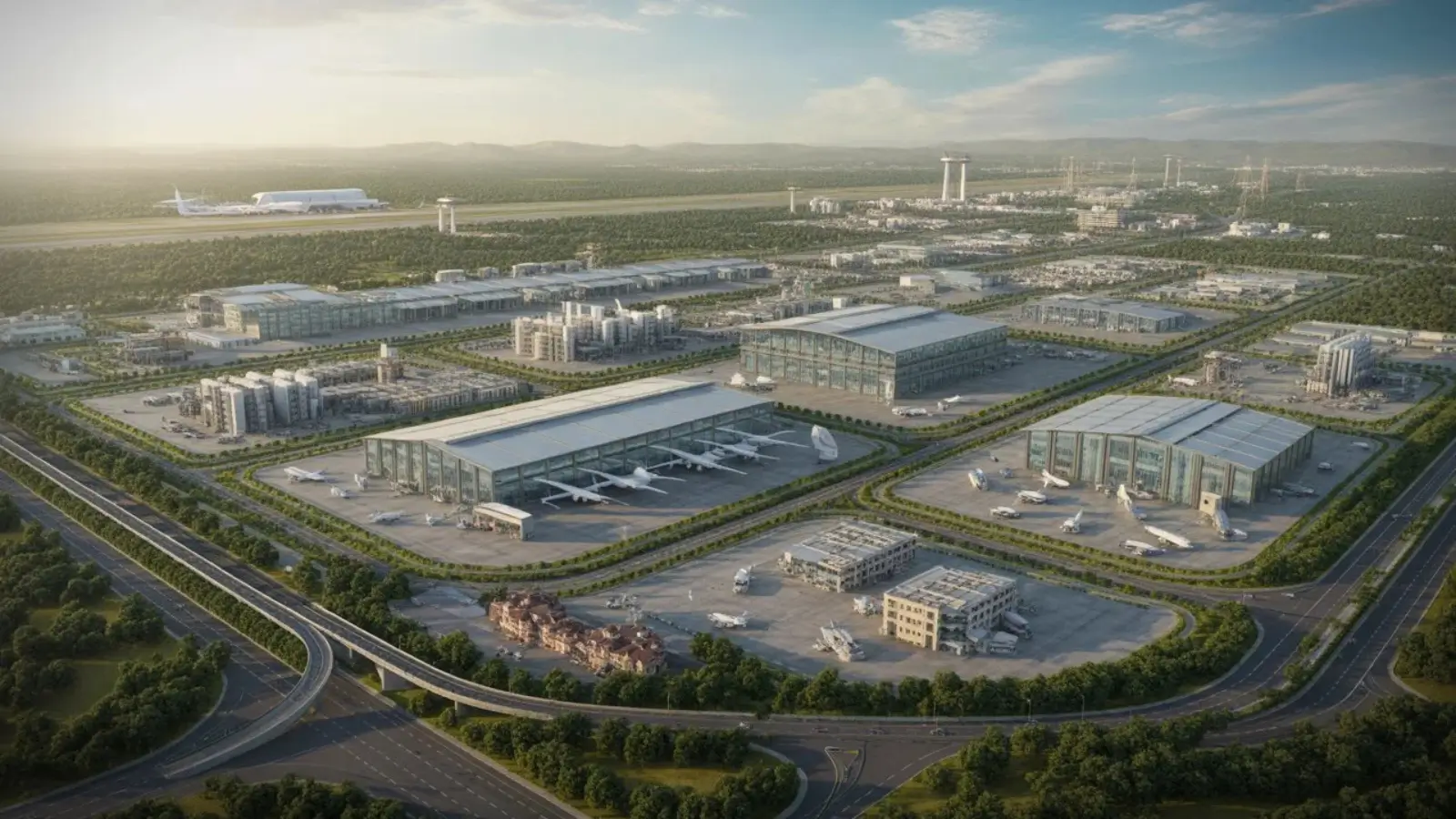
Aerospace SEZ and Township Demand
Aerospace SEZ township demand - how the KIADB aerospace cluster supports residential, commercial, and ecosystem demand at Century Immencity.