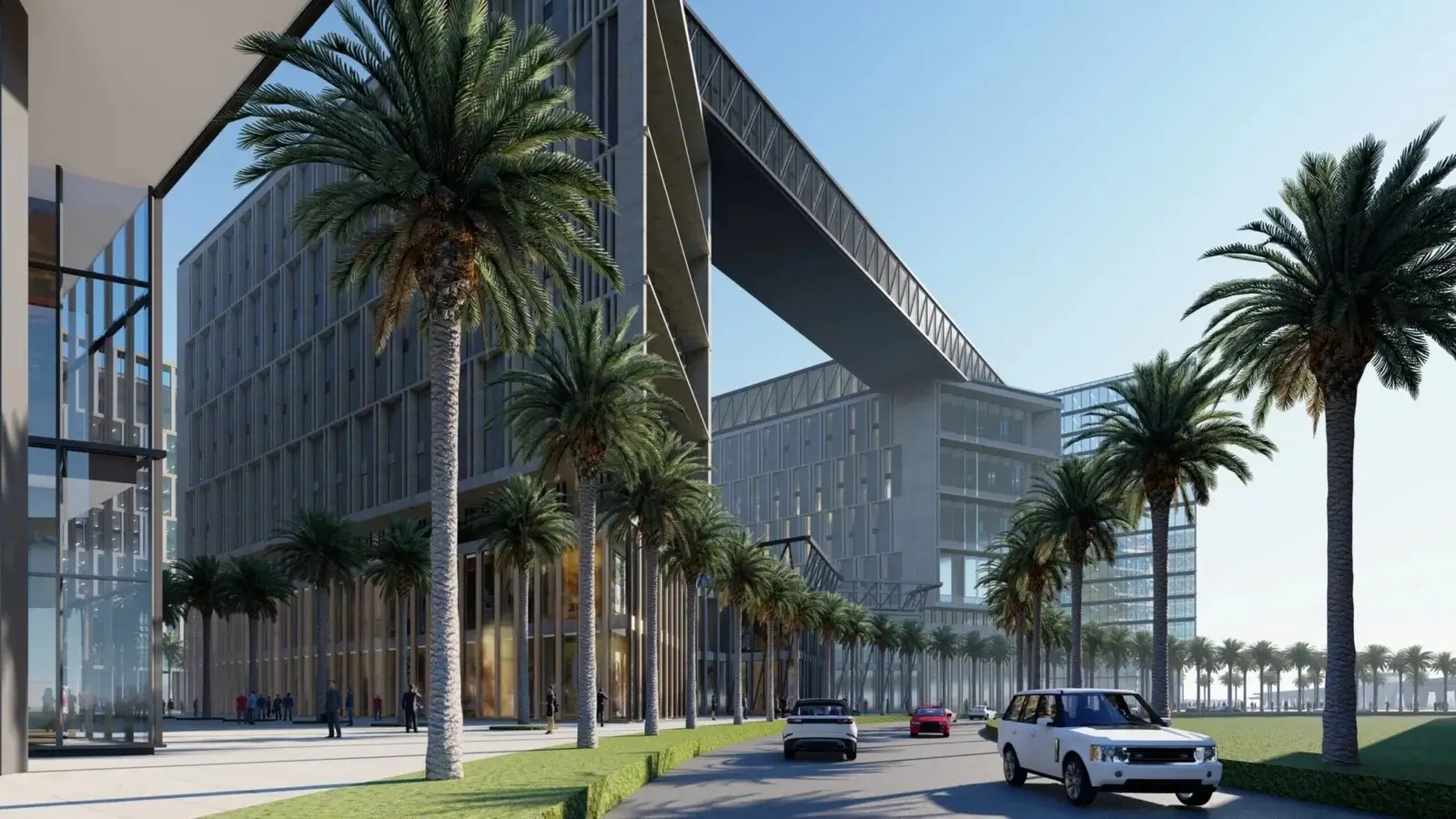
Century Immencity township comparison — how the 52-acre Jakkur mixed-use development compares to other Bangalore integrated districts across scale, mix, and execution.
Why Township Comparisons Are Worth Running Carefully
Buyers evaluating any luxury development eventually run comparisons against peer projects. For a township-scale development, the comparison frame is meaningfully different from a single-tower comparison. A Century Immencity township comparison should evaluate scale, component mix, execution quality, location, developer track record, and pricing fairness across the integrated peer set rather than focusing only on residential metrics. Most marketing comparisons collapse to surface features (specifications, brand names, amenity counts), but the deeper structural differences across townships reveal themselves only through the framework that this blog provides.
The Variables That Matter for Township Comparison
Six variables anchor a serious Century Immencity township comparison. Footprint scale — total land area and saleable development volume. Component mix — ratio of residential to commercial to retail to hospitality and how this ratio compares to integrated-mixed-use best practice. Connectivity — proximity to commercial employment, airport, transit, and arterial road networks. Execution credibility — developer track record specifically in township-scale delivery rather than single-tower delivery. Sustainability framework — LEED or other third-party verified environmental certifications at township scale. Pricing fairness — per-sq.ft. and per-component pricing benchmarked against the comparable township peer set. The township comparison Bangalore landscape rewards analysis across all six variables rather than focusing on any single dimension.
Township Comparison Bangalore — The Realistic Peer Set
Township comparison Bangalore realistically includes a small number of integrated mixed-use developments operating at 30-plus acres of footprint. Each carries different strengths and weaknesses. Some excel at scale but compromise on architectural quality. Others deliver strong execution but operate at smaller footprint. Others have better connectivity but weaker developer track record. The Century Immencity township comparison against these peers reveals strengths across all six framework variables — though not necessarily ranked first on every variable. The honest evaluation is that Century Immencity sits at the upper end of the integrated township peer set on most variables, with specific strengths in scale, component mix, and developer track record.
Integrated District Comparison — Where Century Immencity Excels
Integrated district comparison highlights three areas where Century Immencity differentiates from typical Bangalore townships. First, the component mix ratio favours commercial more heavily than residential — the 12-14 acre office park allocation supports working-population density that smaller-commercial townships cannot replicate. Second, the residential anchor (Century Astoria) operates at ultra-luxury specification with the Zero Common Walls principle, which positions the residential component above peer township residential offerings that target premium rather than ultra-luxury tier. Third, the LEED Gold certification target at township scale represents an environmental discipline that not every Bangalore township has committed to operationally. The Century Immencity township comparison therefore rewards detailed evaluation across these specific differentiators.
Mixed Use Peer Review — Where Trade-offs Exist
Mixed use peer review of Century Immencity should also acknowledge where trade-offs exist. Pricing sits at the upper end of the Bangalore township market, which means buyers prioritising lowest per-sq.ft. entry cost will find more accessible options at lower-cost peer townships. The 52-acre footprint, while large for Bangalore, sits below the largest integrated districts in Hyderabad and the Mumbai metropolitan region — buyers benchmarking across Indian metros may find the scale comparable to peers rather than dominant. These trade-offs are not weaknesses in absolute terms — they are calibrations that buyers should understand to make informed decisions. An honest Century Immencity township comparison surfaces both the strengths and the calibration points.
Township Comparison Framework
Variable | Century Immencity | Typical Bangalore Township |
|---|---|---|
Footprint | 52 acres | 15-30 acres |
Saleable Development | ~ 10 million sq.ft. | 3-6 million sq.ft. |
Component Mix | Genuine 5-component integration | Residential-dominant with bolted-on retail |
Commercial Allocation | ~ 12-14 acres (Grade A) | ~ 3-6 acres (often boutique-scale) |
Residential Tier | Ultra-luxury (Century Astoria) | Premium to upper-premium |
LEED Target | Gold at township scale | Variable (often building-level) |
Developer Track Record | 5-decade Bangalore presence | Variable |
Per-Sq.Ft. Pricing (Residential) | ₹17,500-18,500 | ₹13,000-17,000 |
Related article: Century Immencity Master Plan: Inside the 52-Acre Township.
FAQs
How does Century Immencity compare to other Bangalore townships?
Sits at the upper end of the integrated township peer set on most variables — scale, component mix, commercial allocation, residential tier, and developer track record — with pricing also at the upper end.What variables should buyers compare across townships?
Footprint scale, component mix, connectivity, execution credibility, sustainability framework, and pricing fairness — six structural variables that determine integrated district quality.Where does Century Immencity stand out?
Component mix that favours genuine commercial integration (12-14 acres Grade A office park), ultra-luxury residential anchor with Zero Common Walls, and LEED Gold certification target at township scale.
Related Articles
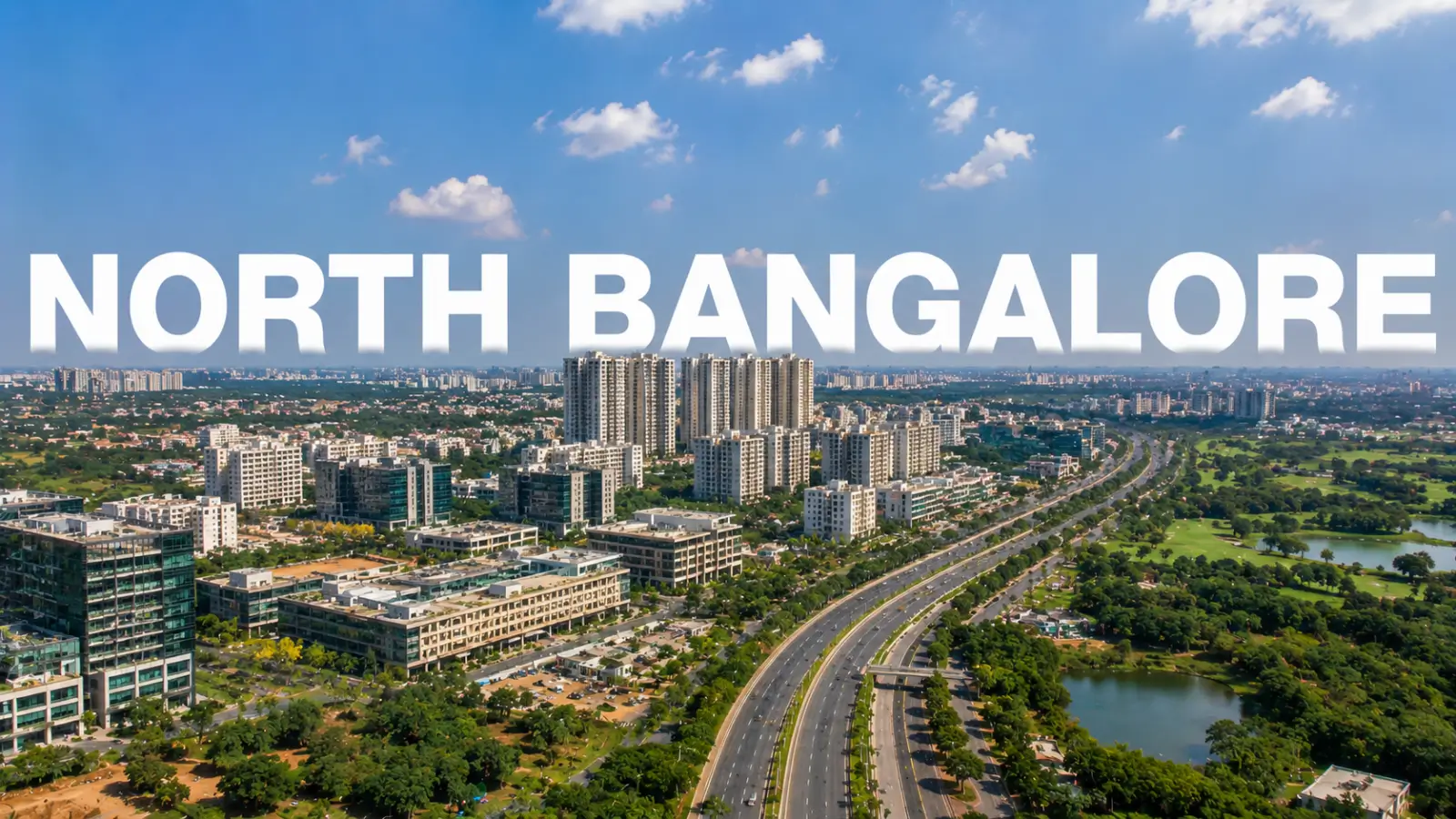
North Bangalore as the Township Destination
North Bangalore township destination - why the airport corridor has emerged as Bangalore's primary township geography and what supports continued buildout.
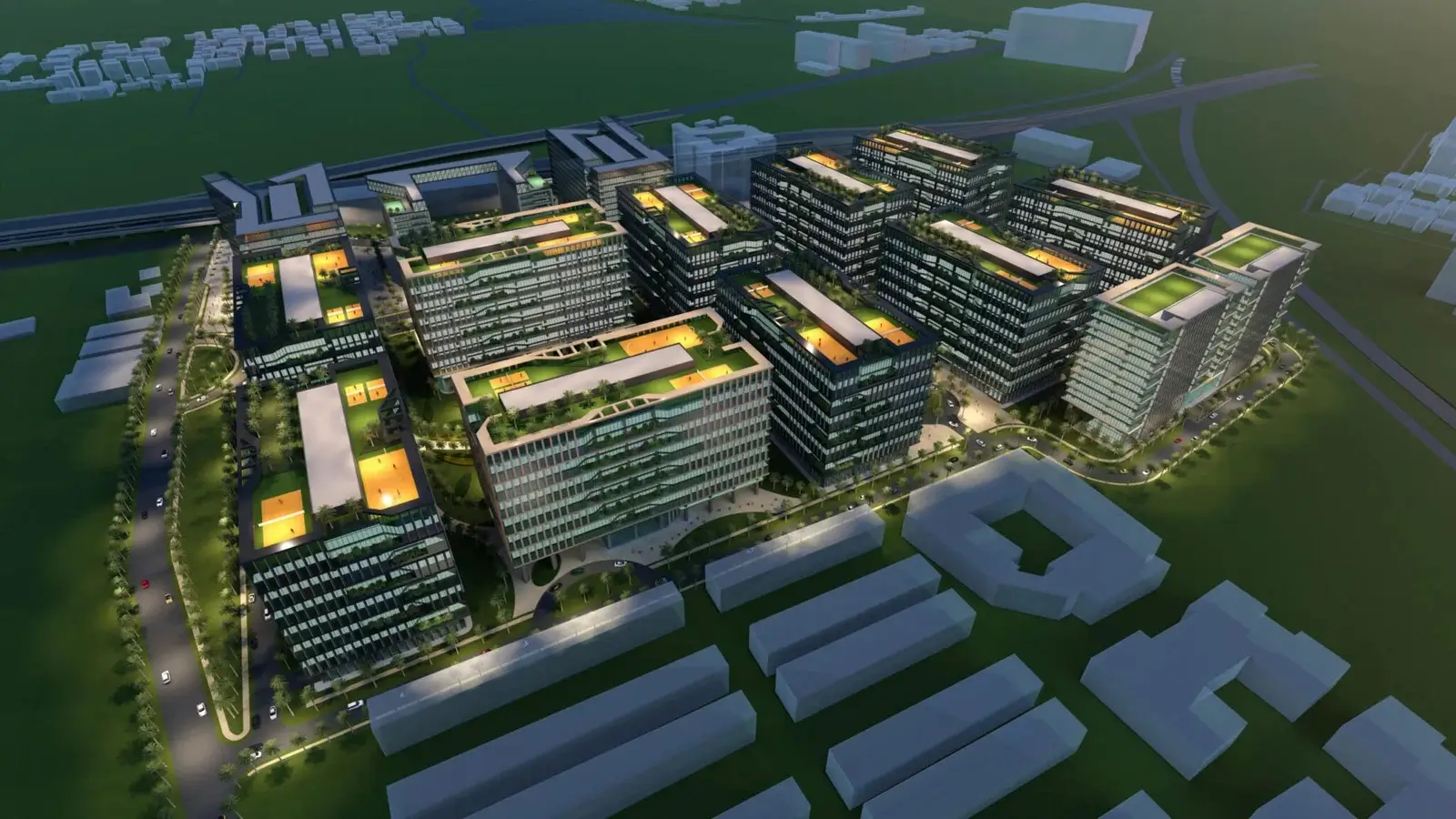
Smart City Township Programme Alignment
Smart city township Century Immencity - how the smart city framework aligns with township design and what it delivers operationally.

How the Bangalore IT Boom Drives Township Demand
IT boom township demand Bangalore - how the IT and GCC sector growth drives mixed-use township absorption at Century Immencity.
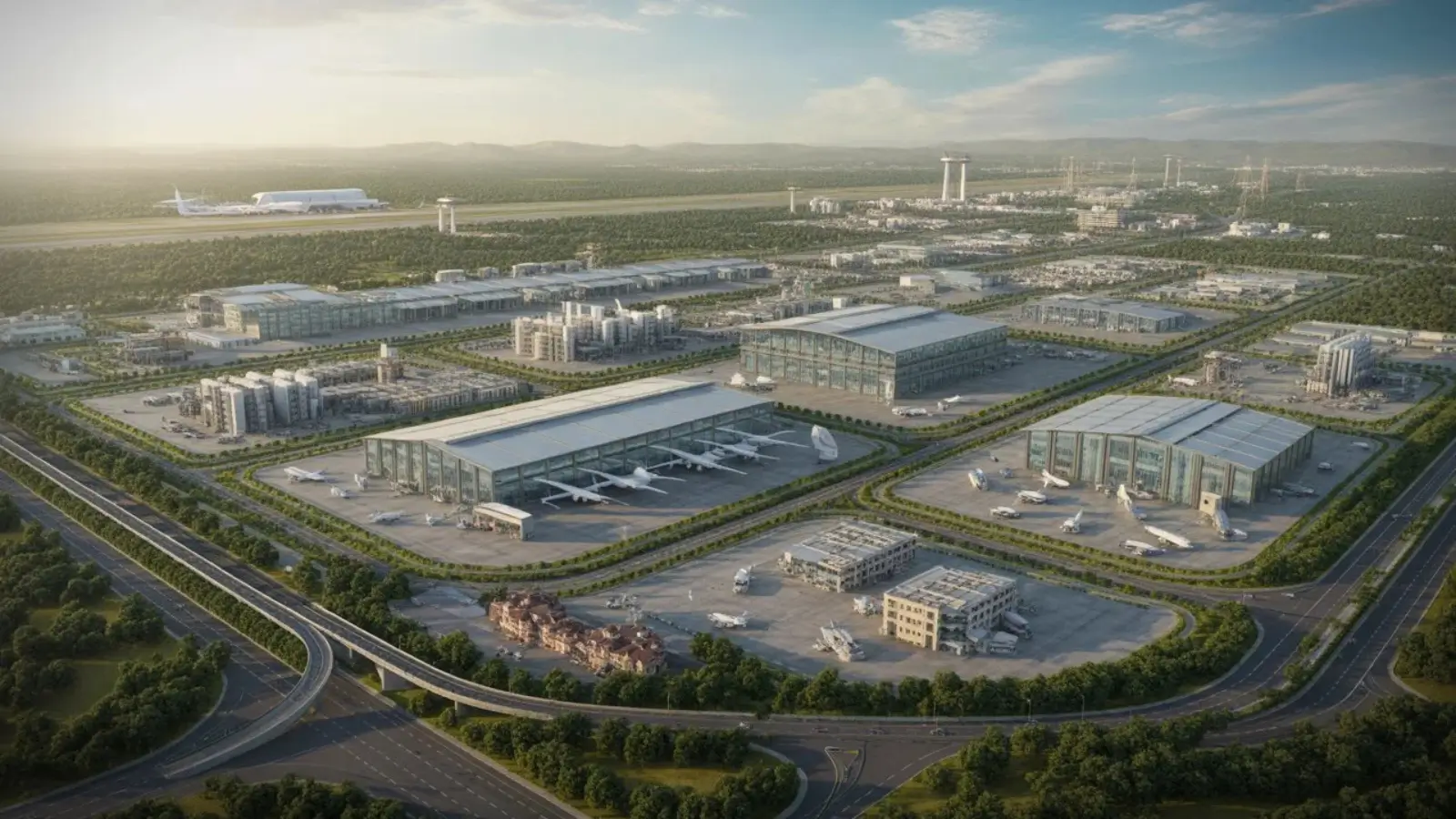
Aerospace SEZ and Township Demand
Aerospace SEZ township demand - how the KIADB aerospace cluster supports residential, commercial, and ecosystem demand at Century Immencity.