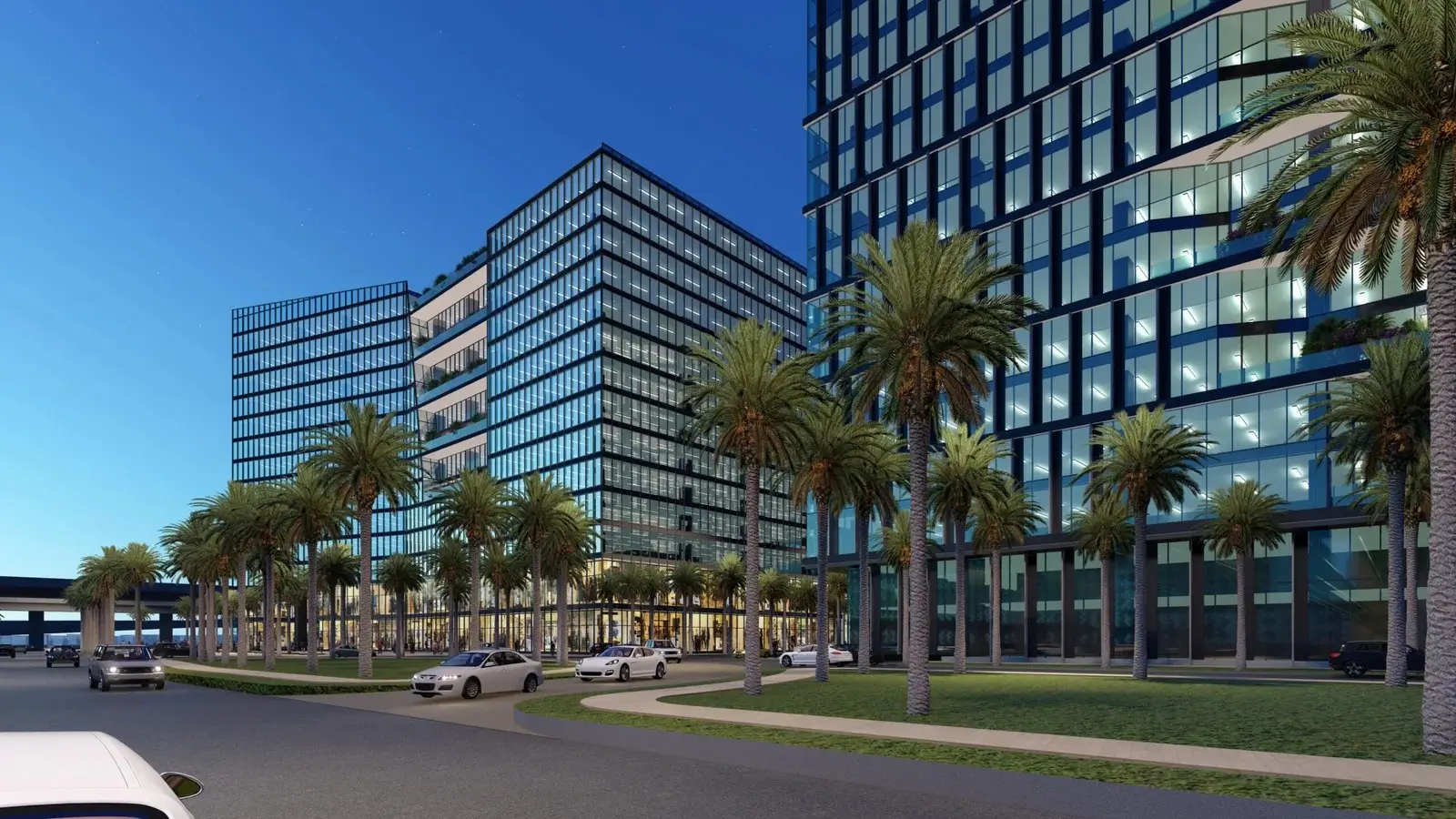
Century Immencity township architecture - high-rise residential tower architecture, mixed-use design language, and the integrated district character.
Why Township Architecture Differs From Single-Project Architecture
Single-project architecture serves one building or one cluster of buildings on a single parcel. Township architecture serves an integrated district where residential, commercial, retail, hospitality, and cultural buildings need to operate as a coherent design language while expressing their individual programme requirements. The Century Immencity township architecture programme is therefore meaningfully more complex than single-project architecture because the design language needs to bind diverse component requirements within a unified district character. Understanding the architectural approach helps buyers evaluate the visual and functional quality of the township beyond just the residential building.
High Rise Luxury Tower Architecture - The Residential Anchor
High rise luxury tower architecture at Century Astoria within Century Immencity follows the contemporary ultra-luxury Bangalore standard. Five towers rising within the airport corridor height envelope, with floor-to-ceiling glazing optimising natural light and city views, structural systems supporting the column-free residential interiors that ultra-luxury floor plates require, and exterior finishes including stone cladding, premium glazing, and architectural detailing that distinguishes the towers from generic high-rise apartment construction. The Century Immencity township architecture residential anchor therefore operates at the upper end of Bangalore high-rise residential architectural quality, supporting both the resident lifestyle and the visual character of the broader township.
Mixed-Use Design Language
Mixed-use design language at Century Immencity township architecture binds the residential, commercial, retail, hospitality, and cultural components through shared design principles while allowing each component to express its programme requirements. Shared design principles include material palette consistency across components, proportional language relating different building heights and footprints, landscape integration with built form, and pedestrian-scale detailing at street level across all components. Component-specific expression includes residential vertical character, commercial corporate floor plate horizontal expression, retail spine pedestrian-active facade detailing, hospitality recessed entry character, and cultural performance-orientated open massing.
Township Architecture Bangalore Context
Township architecture Bangalore context has matured significantly over the last decade. Early Bangalore townships often applied residential architectural vocabulary across all components, resulting in commercial buildings that felt residential-derivative and retail spines that lacked pedestrian-scale character. Contemporary township architecture Bangalore practice - and the Century Immencity township architecture approach - recognises that different components require different architectural expressions while operating within a unified design language. This more sophisticated approach delivers integrated districts that feel architecturally coherent rather than visually arbitrary.
Pedestrian-Scale and Street-Level Character
Pedestrian-scale and street-level character matter most for the daily experience of township residents and visitors. The Century Immencity township architecture programme addresses this through specific design choices at the pedestrian scale. Ground-level facade detailing that supports pedestrian visual interest. Active retail and dining frontages along the central spine rather than blank service walls. Pedestrian-scaled lighting that creates ambient evening character. Landscape integration that softens building edges and provides shade. The Century Immencity township architecture pedestrian-scale character therefore is engineered as a primary design priority rather than as an incidental consequence of the broader building design.
Architecture Reference
Architectural Element | Approach | What It Delivers |
|---|---|---|
Residential Tower Height | Within airport corridor envelope | Sky views, ultra-luxury character |
Residential Facade | Floor-to-ceiling glazing, stone cladding | Natural light, premium finish |
Commercial Floor Plate | Grade A institutional | MNC and GCC tenant suitability |
Retail Spine Frontage | Active pedestrian-scale facade | Pedestrian visual interest |
Public Realm Detailing | Pedestrian-scaled landscape | Daily walking experience |
Building Material Palette | Shared across components | District design coherence |
Component Massing | Component-specific expression | Programme-appropriate character |
Street-Level Lighting | Pedestrian-scaled ambient | Evening district character |
Landscape Integration | Softens building edges | Visual and climate comfort |
Related article: Zero Common Walls Within Township Residences.
FAQs
How does township architecture differ from single-project architecture?
Township architecture binds diverse component requirements within a unified design language while allowing each component to express its programme. Single-project architecture serves only one building or cluster.What is the residential anchor architectural character?
Five high-rise towers within the airport corridor height envelope, floor-to-ceiling glazing, column-free residential floor plates, and stone cladding with premium glazing - ultra-luxury Bangalore standard.What makes Century Immencity architecture distinctive at the township scale?
Mixed-use design language with component-specific variations rather than residential vocabulary applied uniformly, supported by pedestrian-scale detailing at street level that creates urban district character.
Related Articles
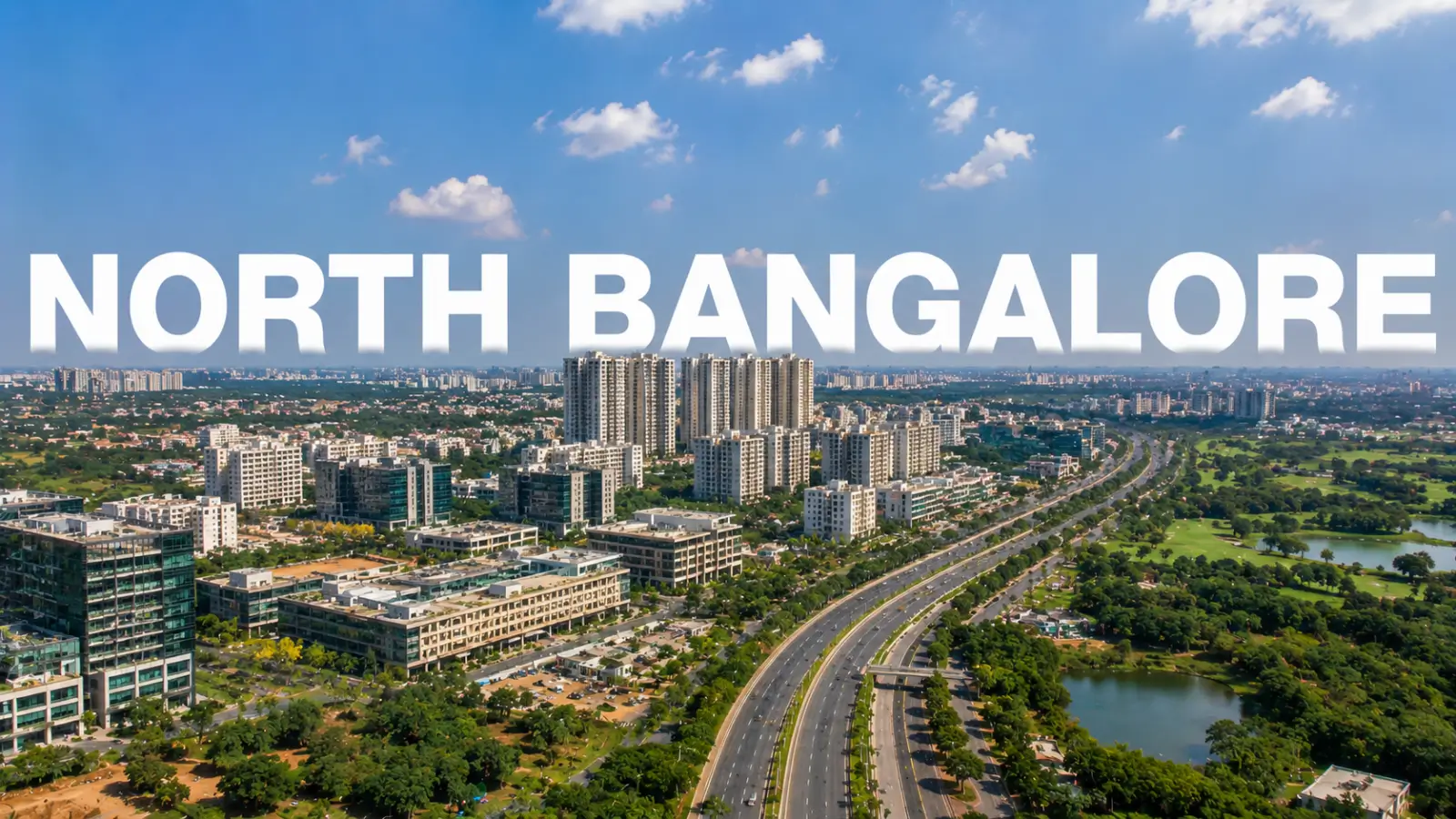
North Bangalore as the Township Destination
North Bangalore township destination - why the airport corridor has emerged as Bangalore's primary township geography and what supports continued buildout.
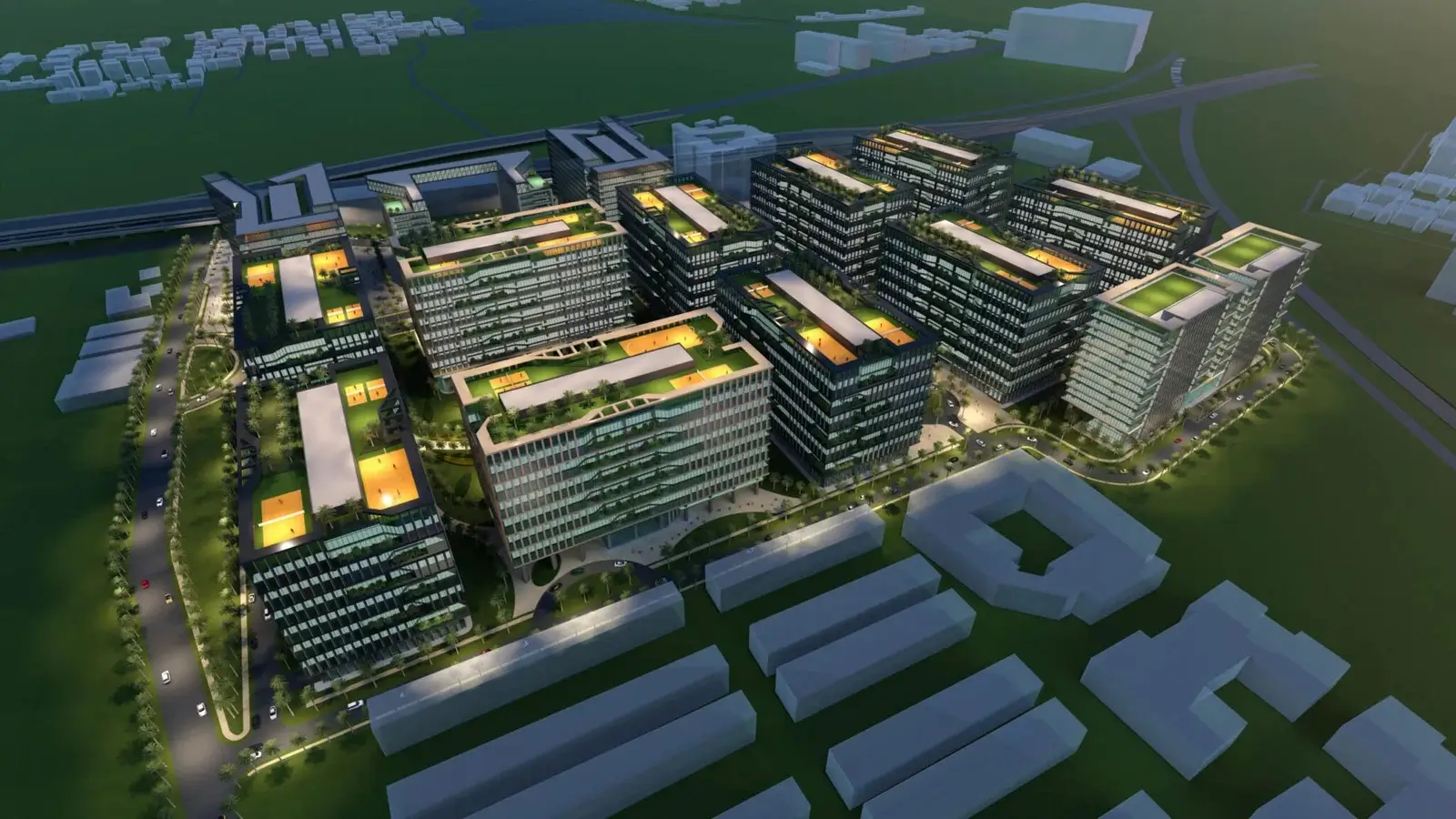
Smart City Township Programme Alignment
Smart city township Century Immencity - how the smart city framework aligns with township design and what it delivers operationally.
How the Bangalore IT Boom Drives Township Demand
IT boom township demand Bangalore - how the IT and GCC sector growth drives mixed-use township absorption at Century Immencity.
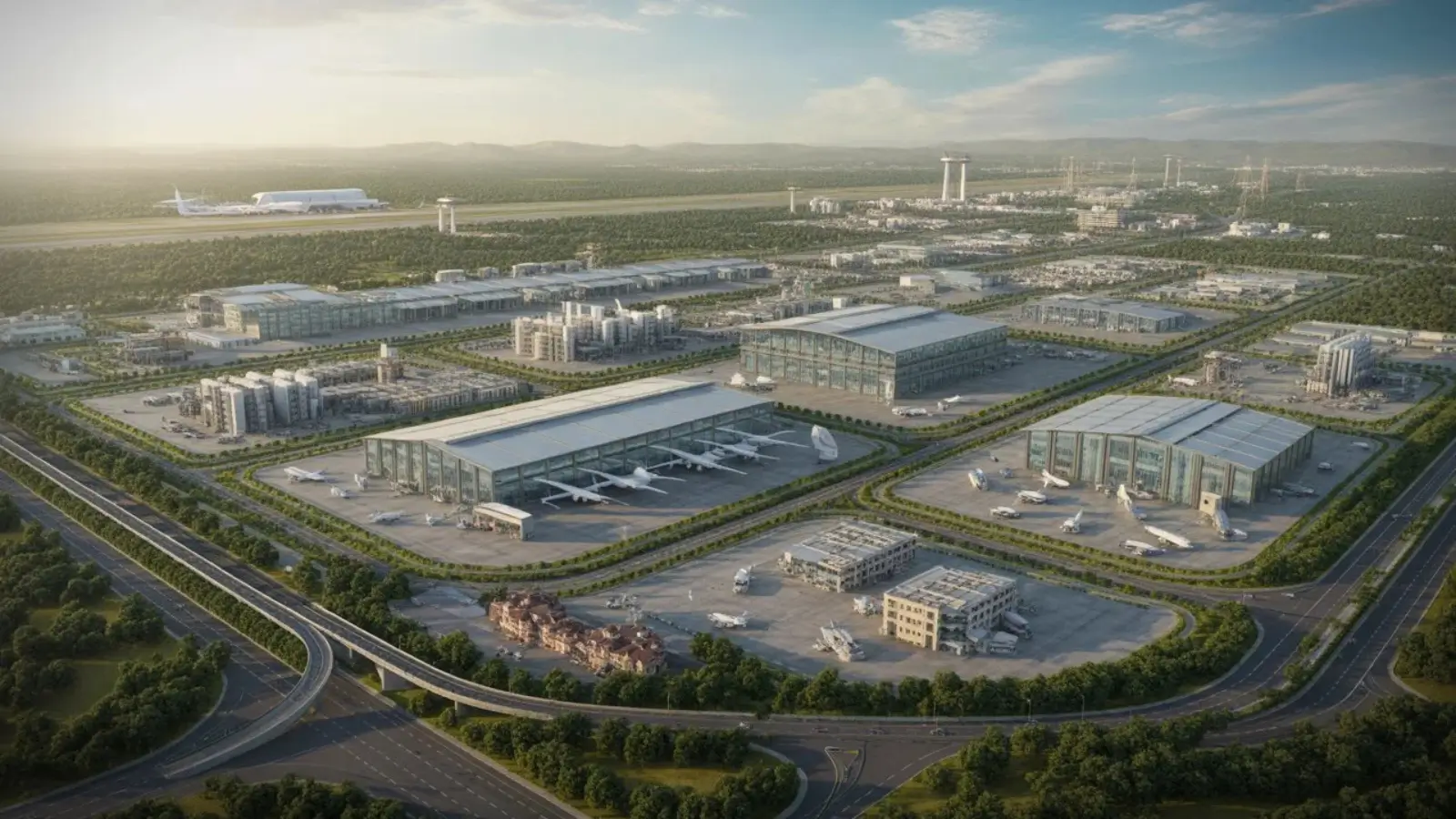
Aerospace SEZ and Township Demand
Aerospace SEZ township demand - how the KIADB aerospace cluster supports residential, commercial, and ecosystem demand at Century Immencity.