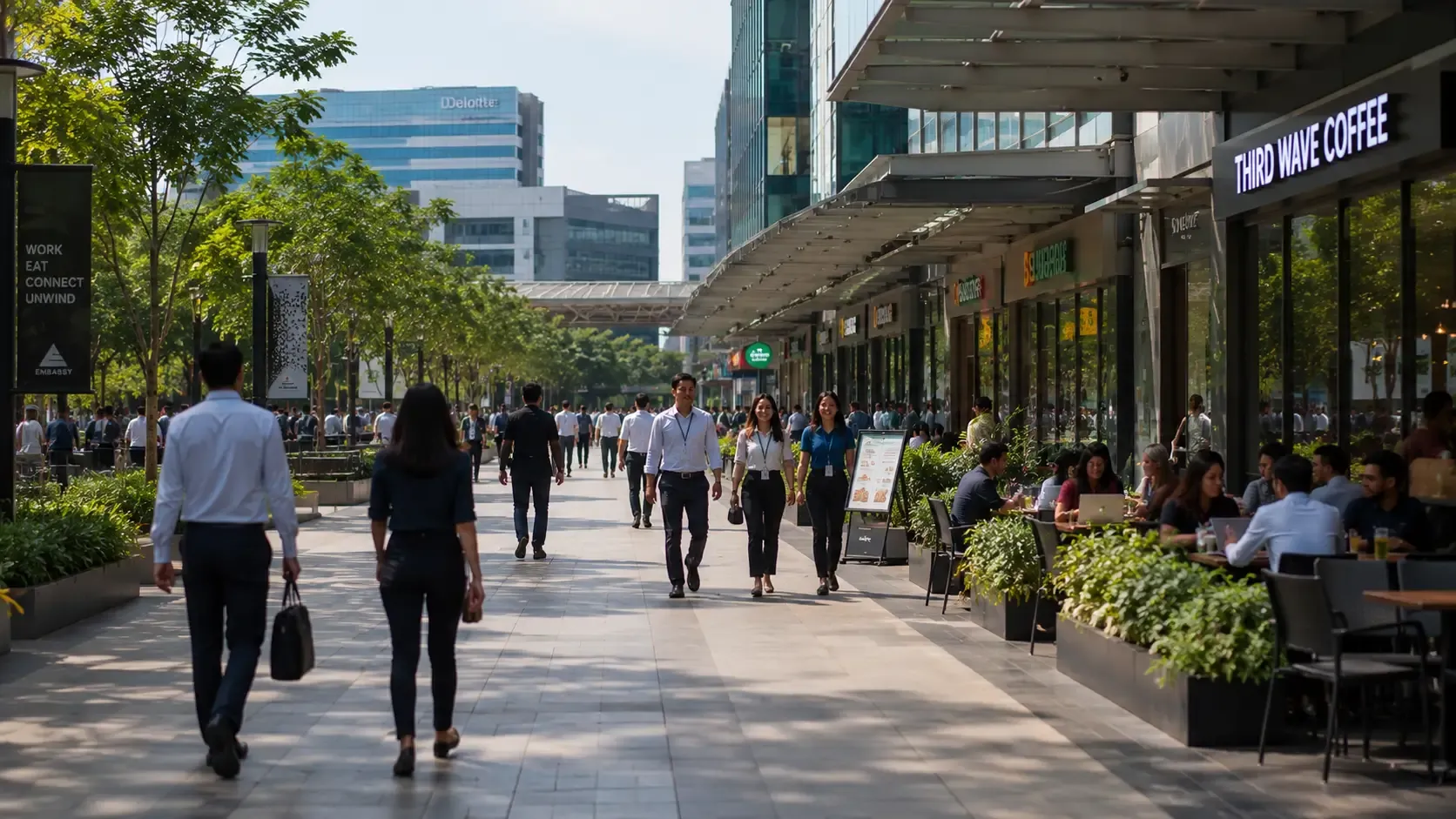
Century Immencity open space strategy - 75 percent open space across the 52-acre township, landscaped public realm, and how the framework operates.
Why Open Space Is the Most Underrated Township Variable
Buyers focus on residential amenities, master plan layouts, and developer credibility. Open space gets less attention but matters more than buyers initially recognise. Townships with strong open space programmes deliver fundamentally different daily lifestyle experiences than townships that prioritise built-up density over public realm. The Century Immencity open space strategy at 75 percent open space across the 52-acre footprint represents one of the more demanding open space commitments in Bangalore township development. Understanding what this commitment delivers operationally helps buyers calibrate the lifestyle proposition against alternatives that may offer similar specifications but lower open space ratios.
75 Percent Open Space - The Math
75 percent open space at Century Immencity translates to approximately 39 acres of the 52-acre footprint allocated to landscaped open space, pedestrian-priority circulation, water features, public realm gathering zones, and the central spine that connects all components. The remaining 13 acres carry the building footprint across residential, commercial, retail, hospitality, and cultural components. This ratio is meaningfully higher than typical Bangalore townships, which often operate at 50 to 65 percent open space ratios. The Century Immencity open space strategy at this scale supports the broader townscape character that distinguishes integrated districts from densely-built mixed-use developments where buildings dominate the visual and operational experience.
How the 75 Percent Operates
75 percent open space at Century Immencity operates through several distinct programme elements. The central pedestrian spine runs through the township footprint connecting residential, commercial, retail, and hospitality components. Landscaped buffers between components create visual separation and pedestrian comfort. Water features at strategic locations provide cooling and visual character. Public gathering zones at building forecourts support informal activity. Landscaped gardens within the residential parcel support resident-specific outdoor experiences. The Century Immencity open space strategy therefore is not a single landscaped area but an integrated programme of distinct open space typologies that together create the township's public realm character.
Daily Lifestyle Impact
Daily lifestyle impact of the Century Immencity open space strategy operates across morning, midday, evening, and weekend routines. Morning - residents walking to the integrated office park or metro station traverse landscaped pedestrian corridors rather than vehicular roadways. Midday - office workers from the commercial component lunch in landscaped courtyards or use the central spine for between-meeting walks. Evening - residents and visitors use the retail spine and gathering zones for dining and informal social activity. Weekend - the broader public realm supports family activity, community programming, and the kind of urban district lifestyle that conventional gated communities cannot replicate. The Century Immencity open space strategy therefore creates a fundamentally different daily lifestyle than denser mixed-use developments.
Sustainability and Climate Benefits
Sustainability and climate benefits of the Century Immencity open space strategy compound the lifestyle benefits. Landscaped open space supports rainwater infiltration, reducing stormwater runoff and supporting groundwater recharge. Trees and landscaping provide shade that reduces heat island effects and lowers ambient temperatures during peak summer. Vegetation supports biodiversity that pure built environments cannot match. Water features support evaporative cooling. The Century Immencity open space strategy therefore contributes substantially to the LEED Gold township certification target by addressing multiple sustainability dimensions simultaneously through landscape design rather than only through building-level engineering.
Open Space Programme Reference
Open Space Element | Approx. Acres | Purpose |
|---|---|---|
Central Pedestrian Spine | 4-5 acres | Connecting all components |
Landscaped Buffers | 6-8 acres | Visual separation, pedestrian comfort |
Water Features | 1-2 acres | Cooling, visual character |
Public Gathering Zones | 2-3 acres | Informal activity, programming |
Residential Gardens | 4-6 acres | Resident outdoor experience |
Office Park Plazas | 3-4 acres | Commercial worker outdoor space |
Retail Spine Public Realm | 2-3 acres | Activity zones |
Cultural and Hospitality Gardens | 2-3 acres | Event programming |
TOTAL Open Space | approx. 39 acres (75%) | Integrated public realm |
Related article: Zero Common Walls Within Township Residences.
FAQs
What does 75 percent open space mean across 52 acres?
Approximately 39 acres of the 52-acre footprint allocated to landscaped open space, pedestrian-priority circulation, water features, and public realm. The remaining 13 acres carry the building footprint.Why does open space matter at township scale?
Townships with strong open space programmes deliver fundamentally different daily lifestyle experiences supporting pedestrian-priority routing, climate adaptation, and urban district character.How does open space contribute to sustainability?
Rainwater infiltration, stormwater runoff reduction, heat island mitigation through shade, biodiversity support, and evaporative cooling.
Related Articles
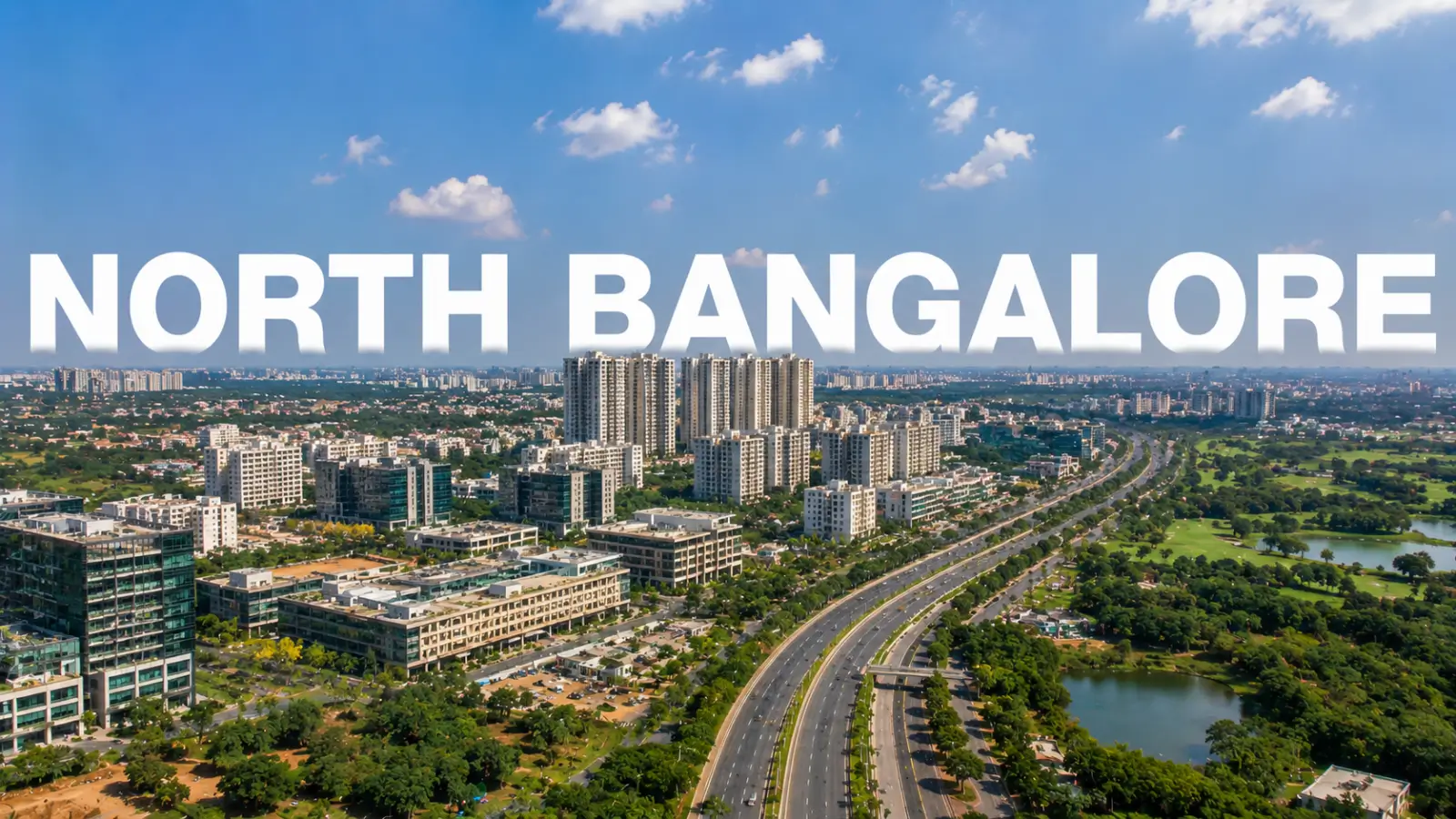
North Bangalore as the Township Destination
North Bangalore township destination - why the airport corridor has emerged as Bangalore's primary township geography and what supports continued buildout.
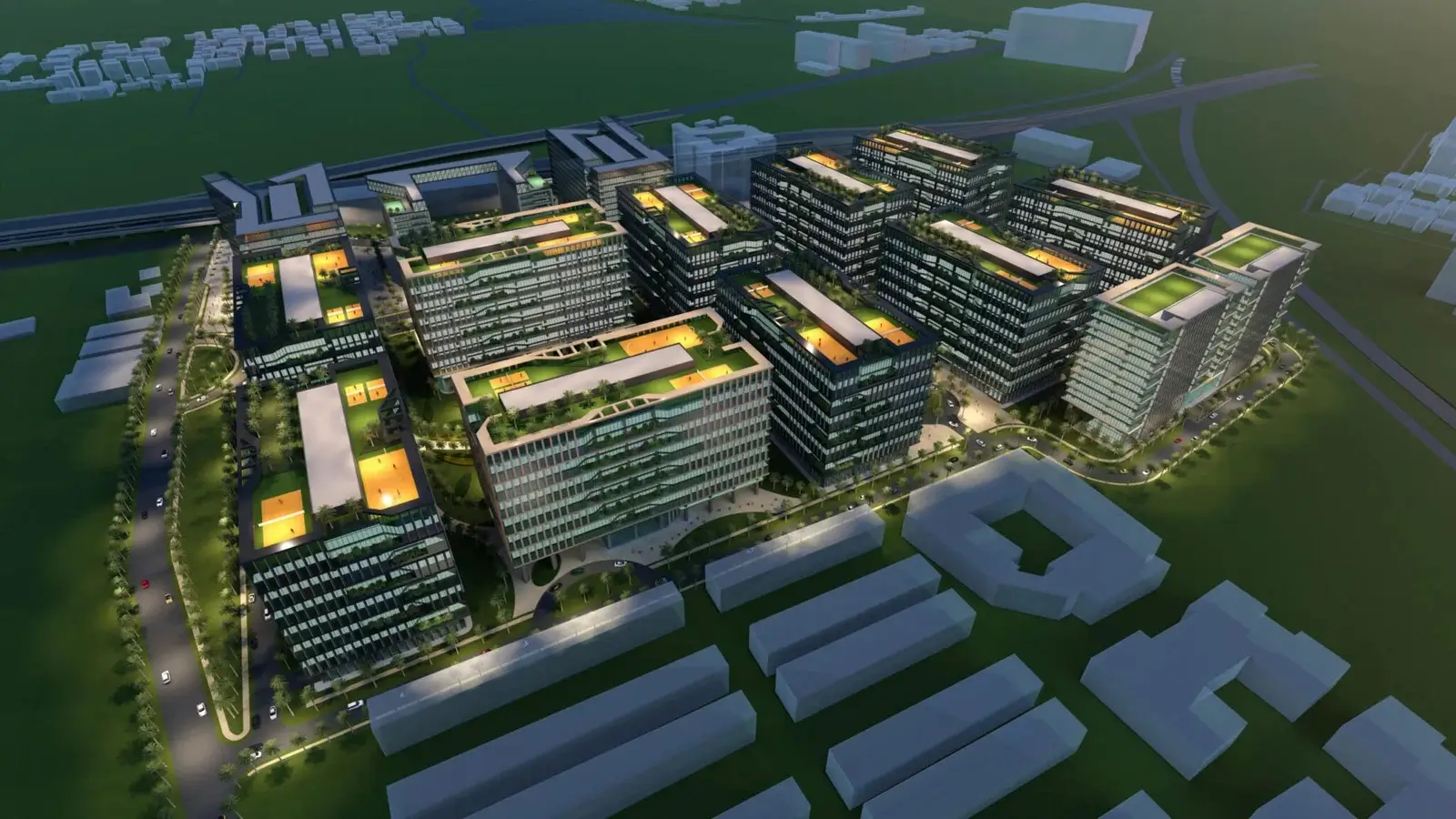
Smart City Township Programme Alignment
Smart city township Century Immencity - how the smart city framework aligns with township design and what it delivers operationally.

How the Bangalore IT Boom Drives Township Demand
IT boom township demand Bangalore - how the IT and GCC sector growth drives mixed-use township absorption at Century Immencity.
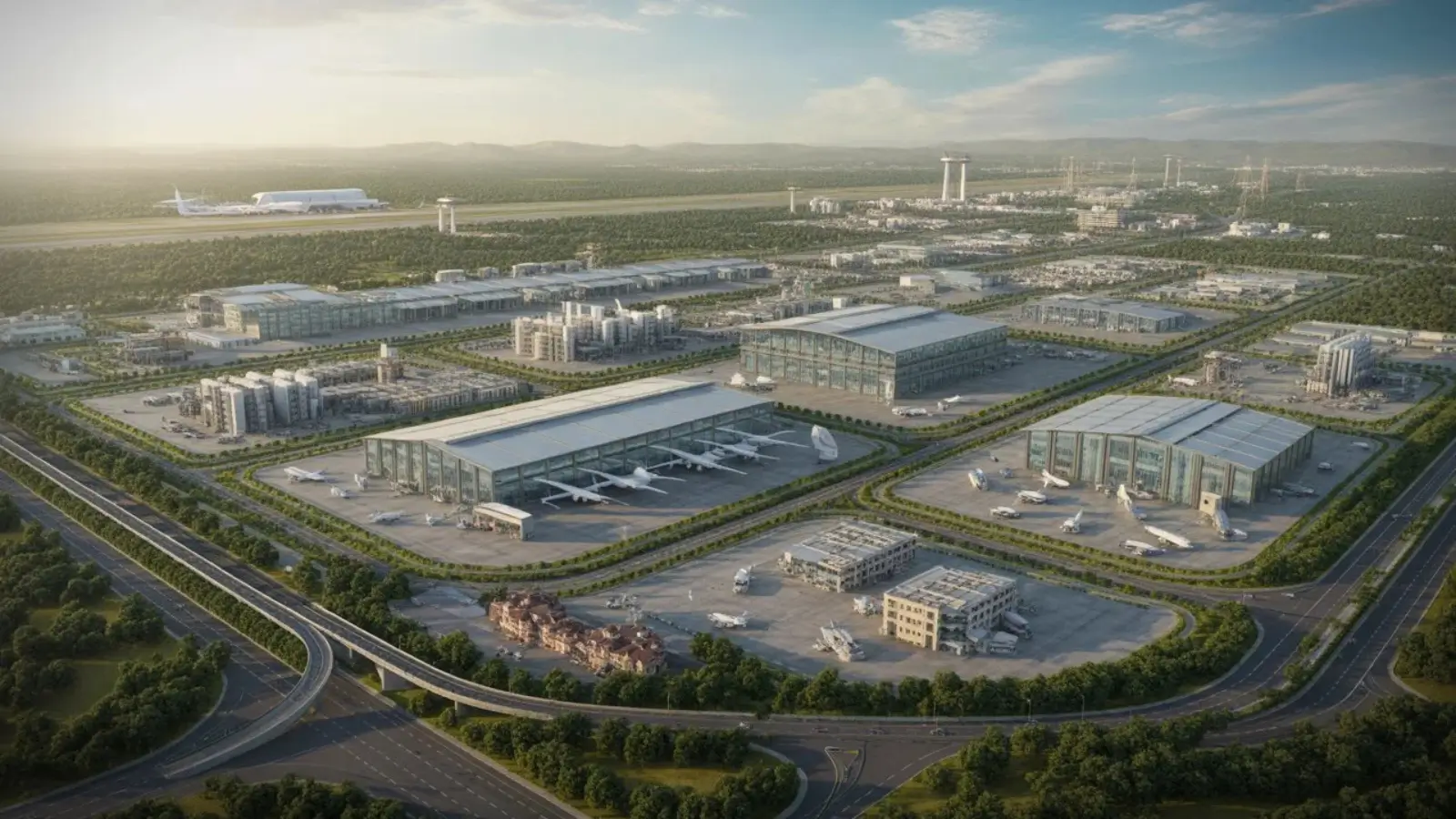
Aerospace SEZ and Township Demand
Aerospace SEZ township demand - how the KIADB aerospace cluster supports residential, commercial, and ecosystem demand at Century Immencity.