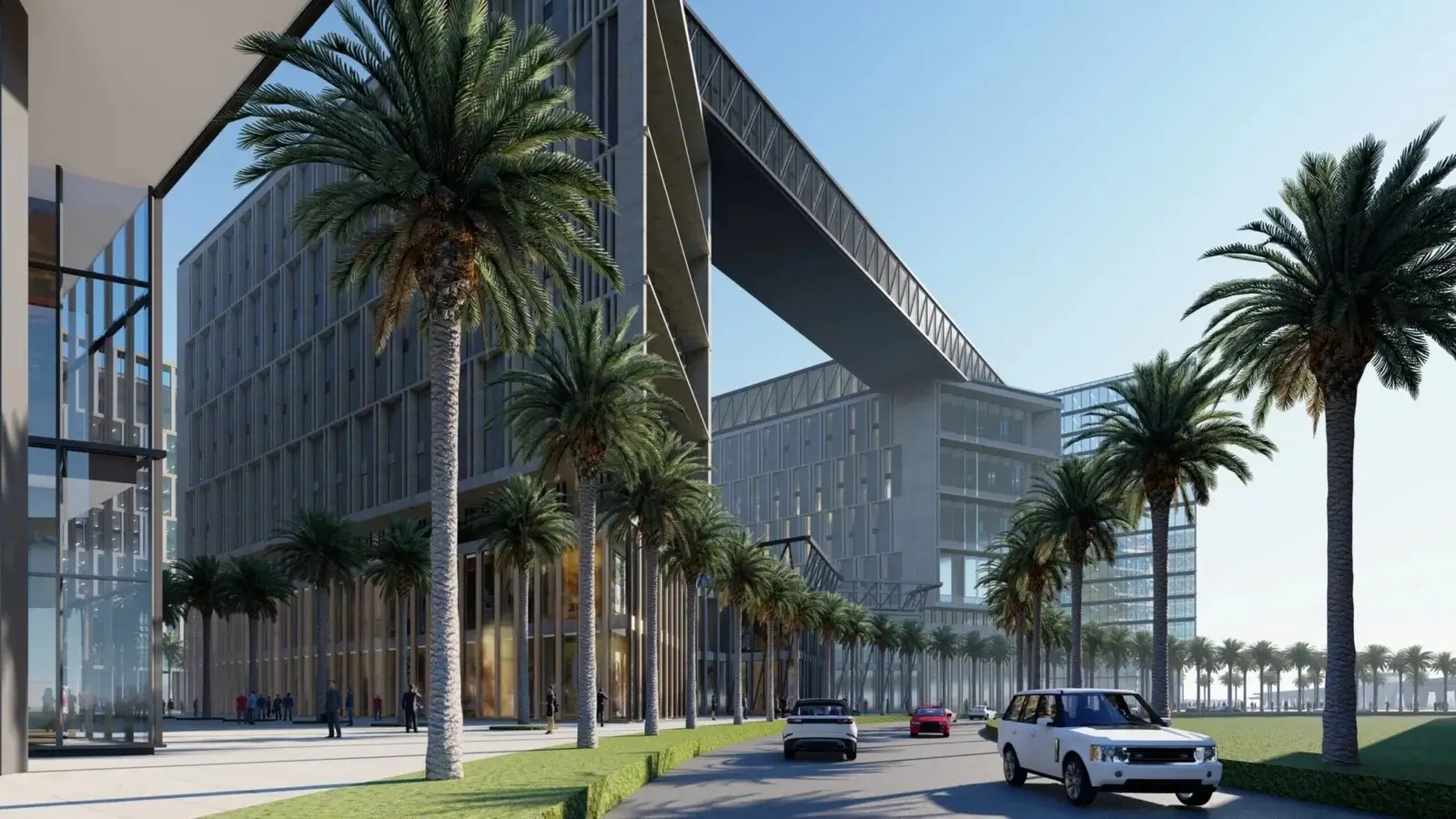
Century Immencity vs Bangalore townships — scale, component mix, developer capability, and the specific advantages that differentiate the 52-acre Jakkur development.
Why Township Differentiation Deserves Substantive Analysis
Marketing claims of differentiation are universal in real estate. Substantive differentiation that affects buyer decisions and asset performance is rarer. The Century Immencity vs Bangalore townships comparison deserves substantive analysis rather than marketing-claim repetition. Real differentiation operates on structural variables — scale, component mix, developer capability, sustainability discipline, location quality — rather than on surface features like specifications or amenity counts that peer developers can match. Understanding which differentiators matter helps buyers evaluate whether the Century Immencity township proposition justifies its pricing tier relative to peer townships.
Century Astoria vs Other Jakkur Projects — The Residential Anchor
Century Astoria vs other Jakkur projects starts with the residential anchor differentiation within the township. Century Astoria's 334 ultra-luxury residences across 5 towers, the Zero Common Walls residential design, the 40,000 sq.ft. signature clubhouse, and the 75 percent open space ratio together represent residential differentiation that peer Jakkur projects cannot match equally. The Century Immencity vs Bangalore townships comparison therefore captures residential-tier differentiation alongside the township-level differentiation, with the residential anchor benefiting buyers who want ultra-luxury inventory specifically rather than premium-tier inventory within a township envelope. This residential differentiation is one of the structural reasons the township positions at the upper end of Bangalore mixed-use pricing.
Township Component Mix Differentiation
Township component mix at Century Immencity vs Bangalore townships shows the specific structural advantages of the 52-acre footprint. Genuine 5-component integration — residential, commercial, retail, hospitality, culture — at component-critical-mass scale. Grade A office park at 12-14 acres rather than boutique commercial. High-street retail spine at 6-8 acres rather than fragmented retail pockets. Branded hospitality at 2-3 acres rather than no hospitality. Cultural programming at 2-3 acres rather than no cultural infrastructure. The Century Immencity vs Bangalore townships comparison therefore reveals component mix differentiation that smaller peer townships structurally cannot replicate, regardless of execution quality.
Developer Capability Differentiation
Developer capability is one of the most consequential differentiators across the Century Immencity vs Bangalore townships comparison. Century Real Estate's 50-plus year track record, the Jakkur-specific land bank, the institutional discipline across residential and commercial categories, the LEED certification history, and the multi-generational ownership continuity together represent developer capability that few peer developers can match. The Century Immencity vs Bangalore townships comparison therefore reveals developer-level differentiation alongside the project-level differentiation, with buyers evaluating not just whether the project's claims are credible but whether the developer's track record supports them. This is structurally different from evaluating a single-project developer where developer credibility cannot be tested against multi-project execution history.
Where Calibration Points Exist
Honest Century Immencity vs Bangalore townships differentiation analysis should also acknowledge calibration points. Pricing sits at the upper end of the Bangalore township market — buyers prioritising lowest entry cost will find more accessible alternatives. The 52-acre footprint, while large for Bangalore, sits below the largest integrated districts in Hyderabad and the Mumbai metropolitan region — investors benchmarking across Indian metros may find the scale comparable to peers rather than dominant. The walk-to-work narrative depends on the integrated office park completion, which lands 6-18 months after residential possession — the lifestyle benefit therefore matures progressively rather than landing at residential handover. The Century Immencity vs Bangalore townships analysis surfaces both the differentiation strengths and the calibration points honestly.
Differentiation Summary
Differentiator | Century Immencity Position | Typical Bangalore Township |
|---|---|---|
Footprint Scale | 52 acres | 5-30 acres |
Component Count | 5 (genuine integration) | 2-3 (residential-dominant) |
Office Park Scale | 12-14 acres (Grade A) | 0-6 acres (boutique) |
Retail Spine | 6-8 acres (high-street) | Limited or none |
Hospitality | 2-3 acres (branded) | Usually none |
Cultural Programming | 2-3 acres | Usually none |
Residential Tier | Ultra-luxury (Century Astoria) | Premium to upper-premium |
LEED Certification | Township-scale Gold target | Building-level or none |
Developer Track Record | 50+ years, 50+ projects | Variable |
Metro Integration | Phase 2B integrated station | Adjacent or none |
Related article: Century Immencity Compared to Other Bangalore Townships.
FAQs
What differentiates Century Immencity from other Bangalore townships?
Footprint scale (52 acres), genuine 5-component integration, Grade A office park scale, ultra-luxury residential anchor (Century Astoria), township-scale LEED Gold target, and Century's 50+ year developer track record.Which differentiators are most consequential?
Footprint scale (supports component critical mass), developer capability (supports execution credibility), and the residential anchor specification (supports the asset's ultra-luxury positioning) — these are structural rather than surface differentiators.What are the honest calibration points?
Pricing at upper end of Bangalore township market, 52-acre footprint smaller than largest integrated districts in other Indian metros, and walk-to-work lifestyle benefit maturing progressively rather than landing at residential handover.
Related Articles
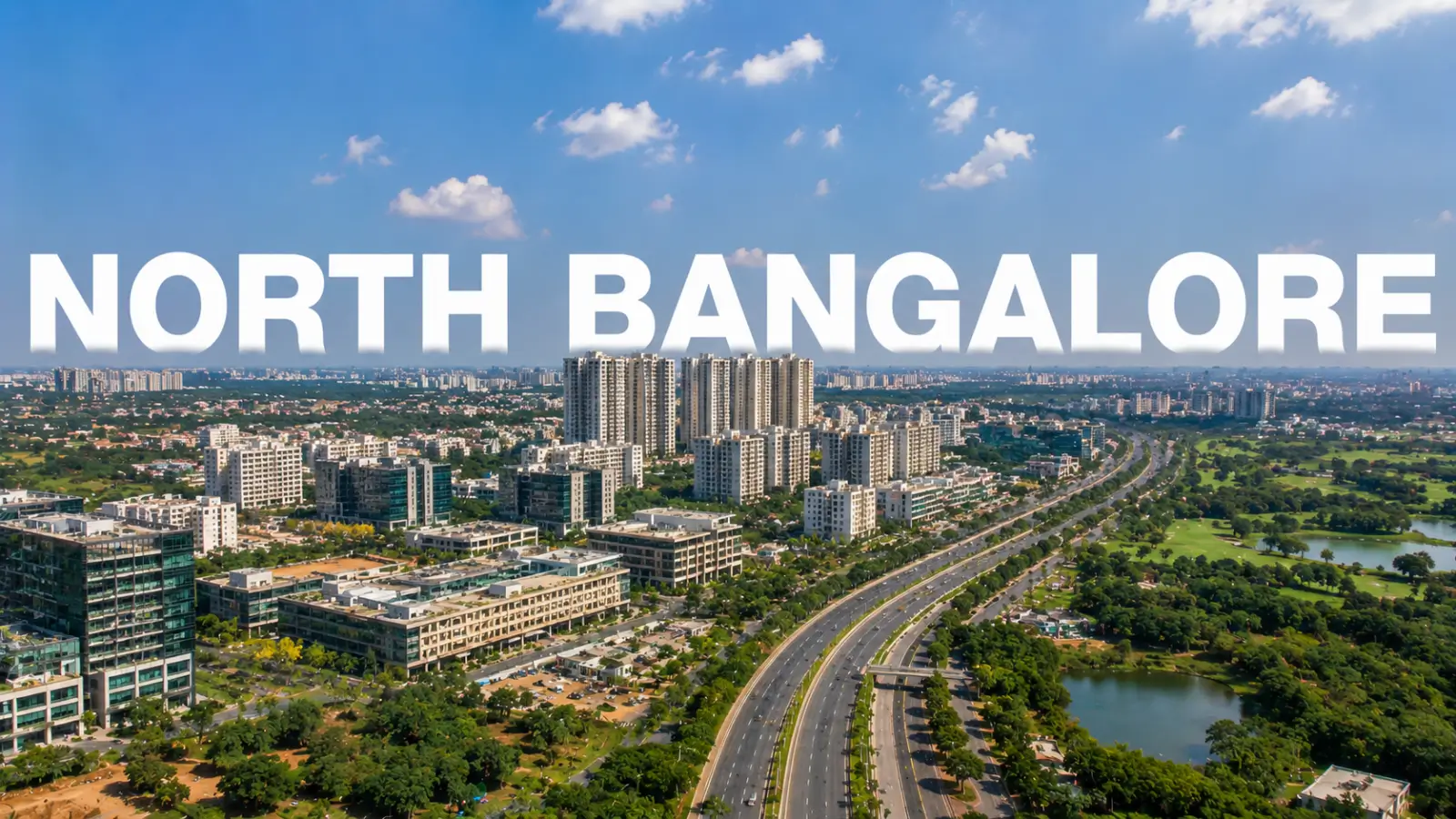
North Bangalore as the Township Destination
North Bangalore township destination - why the airport corridor has emerged as Bangalore's primary township geography and what supports continued buildout.
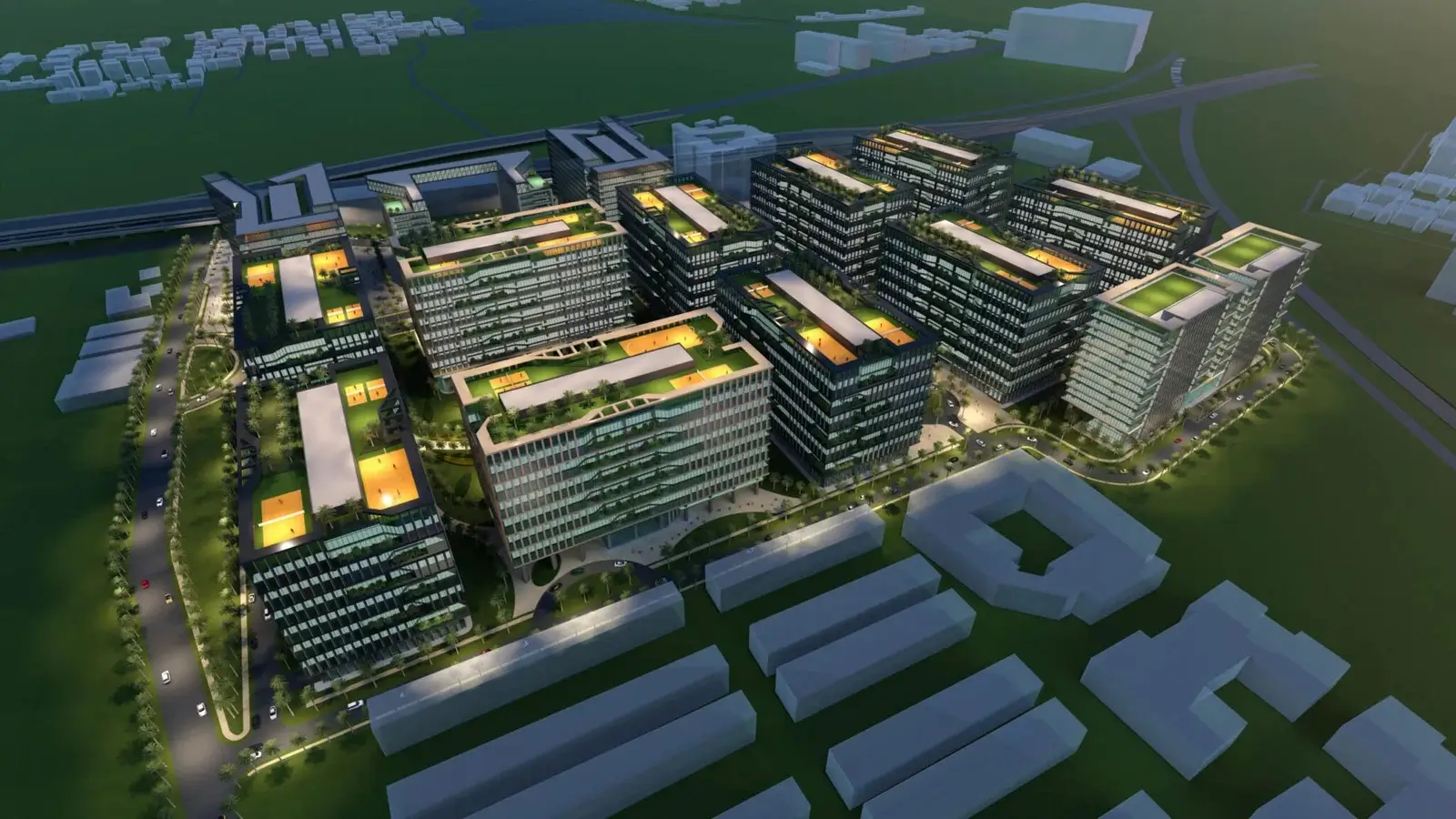
Smart City Township Programme Alignment
Smart city township Century Immencity - how the smart city framework aligns with township design and what it delivers operationally.

How the Bangalore IT Boom Drives Township Demand
IT boom township demand Bangalore - how the IT and GCC sector growth drives mixed-use township absorption at Century Immencity.
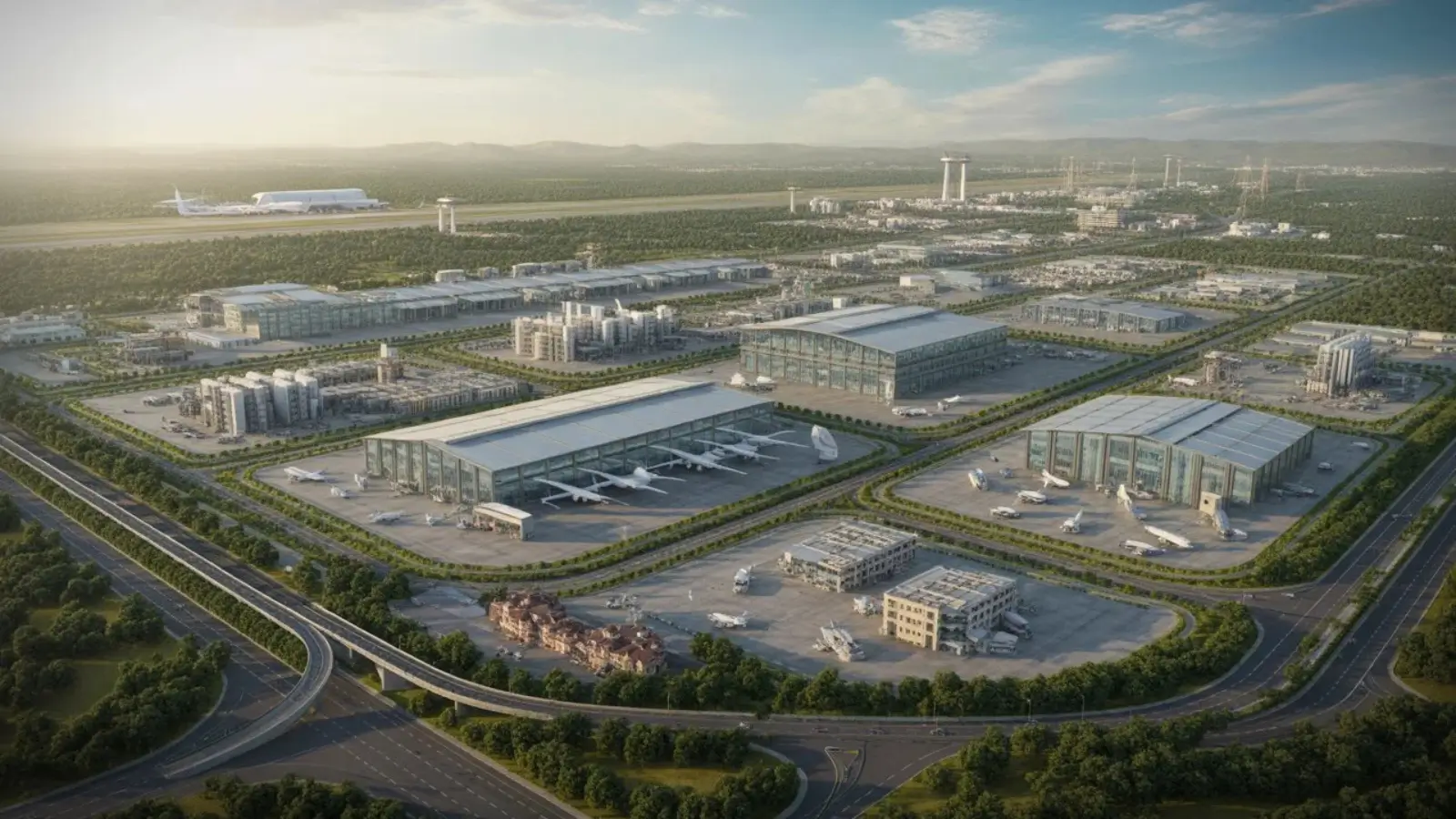
Aerospace SEZ and Township Demand
Aerospace SEZ township demand - how the KIADB aerospace cluster supports residential, commercial, and ecosystem demand at Century Immencity.