Century Immencity component split — how 52 acres divide across residential, commercial, retail, hospitality, and culture, and why the ratios matter for buyers.
Why Component Ratios Decide Township Quality
Mixed-use townships look similar on paper. They differ in execution because of the component ratios — how much of the footprint goes to residential, how much to commercial, how much to retail, and how the remaining land splits across hospitality, culture, and open space. The Century Immencity component split is one of the most useful pieces of analysis a buyer can extract from the master plan, because the ratios reveal whether the township is genuinely mixed-use or residential-dominant with bolted-on commercial. Understanding the split helps buyers evaluate whether the live-work-play narrative the developer is selling will operationally land at the township scale they expect.
The Five Functional Categories
Century Immencity component split divides the 52 acres across five functional categories. Residential — approximately 6 acres carrying Century Astoria's 334 ultra-luxury residences across 5 towers. Office park — approximately 12 to 14 acres of Grade A commercial floor plates designed for LEED Gold certification, supporting major corporate tenants with walk-to-work residential proximity. Retail and dining spine — approximately 6 to 8 acres of high-street format storefronts and food and beverage venues anchoring the central pedestrian corridor. Hospitality — approximately 2 to 3 acres dedicated to branded hotel inventory and serviced accommodation. Cultural and public realm — approximately 2 to 3 acres of performance venues, gallery zones, and public programming infrastructure. The remaining 12 to 14 acres distribute across landscaped open space, the central pedestrian spine, vehicular circulation, and the integrated metro station footprint.
Township Zoning Jakkur — Why the Office Park Allocation Is Significant
Township zoning Jakkur Century Immencity's component split shows the office park receiving the largest single component allocation — approximately 24 to 27 percent of total footprint. This is structurally significant because it signals the developer's commitment to commercial scale within the township rather than treating commercial as a residential amenity. A 12 to 14 acre Grade A office park can host major corporate tenants at scale — not just satellite offices or boutique workspaces but genuine corporate floor plate sizes that support 5,000 to 15,000 commercial occupants. The Century Immencity component split therefore implies a working-population density within the township that supports retail vitality, hospitality utilisation, and the broader live-work-play ecosystem operationally.
Residential Commercial Split Township — The Buyer Implications
Residential commercial split township ratios at Century Immencity favour commercial over residential in proportion to typical mixed-use development. The roughly 6 to 12-14 acre residential to commercial ratio is meaningfully more commercial-heavy than the typical Indian mixed-use development. This has direct buyer implications. Residential buyers get a thicker commercial activity layer within walking distance, which supports the daily lifestyle quality that mixed-use is meant to deliver. The retail spine receives consistent footfall from both residential and commercial occupants, which supports F&B and lifestyle retail vitality across the day rather than just evening and weekend windows. The Century Immencity component split therefore creates an asymmetric advantage for residential buyers who specifically want a live-work-play environment rather than a residential community with retail amenities.
Mixed Use Ratios — How Century Immencity Compares
Mixed use ratios across major Bangalore developments vary considerably. Older townships often allocate 60 to 70 percent of footprint to residential, 10 to 15 percent to commercial, and 5 to 10 percent to retail. Contemporary best-practice integrated developments allocate 30 to 40 percent to residential, 25 to 35 percent to commercial, and 10 to 15 percent to retail. The Century Immencity component split follows the contemporary integrated standard, which is one of the structural reasons the township positions itself as a genuinely mixed-use development rather than as residential-dominant. For buyers evaluating mixed-use against single-component peers, these ratios are the most useful piece of comparison data.
Component Split Reference
Component | Approx. Acres | Approx. % of Footprint | Strategic Role |
|---|---|---|---|
Residential (Century Astoria) | 6 acres | ~ 12% | Ultra-luxury anchor |
Office Park (Grade A) | 12-14 acres | ~ 24-27% | Commercial scale anchor |
Retail & Dining Spine | 6-8 acres | ~ 12-15% | Central activity spine |
Hospitality | 2-3 acres | ~ 4-6% | Branded hotel inventory |
Cultural & Public Realm | 2-3 acres | ~ 4-6% | Performance and gallery |
Open Space + Circulation | 12-14 acres | ~ 24-27% | Pedestrian spine, landscaping, roads |
Integrated Metro Station | Within footprint | — | Phase 2B alignment |
TOTAL | 52 acres | 100% | Full mixed-use ecosystem |
Related article: Century Immencity Master Plan: Inside the 52-Acre Township.
FAQs
How are the 52 acres of Century Immencity divided?
Approximately 6 acres residential, 12-14 acres office park, 6-8 acres retail and dining, 2-3 acres hospitality, 2-3 acres culture, and 12-14 acres of open space, circulation, and the integrated metro station.Why is the office park allocation so large?
The 12-14 acre office park accommodates Grade A commercial floor plates at corporate scale, supporting 5,000-15,000 commercial occupants who provide consistent footfall for retail vitality and walk-to-work demand for residential.How does this split compare to other Bangalore townships?
Century Immencity follows contemporary integrated standards (12% residential, 24-27% commercial) rather than older residential-dominant patterns (60-70% residential).
Related Articles
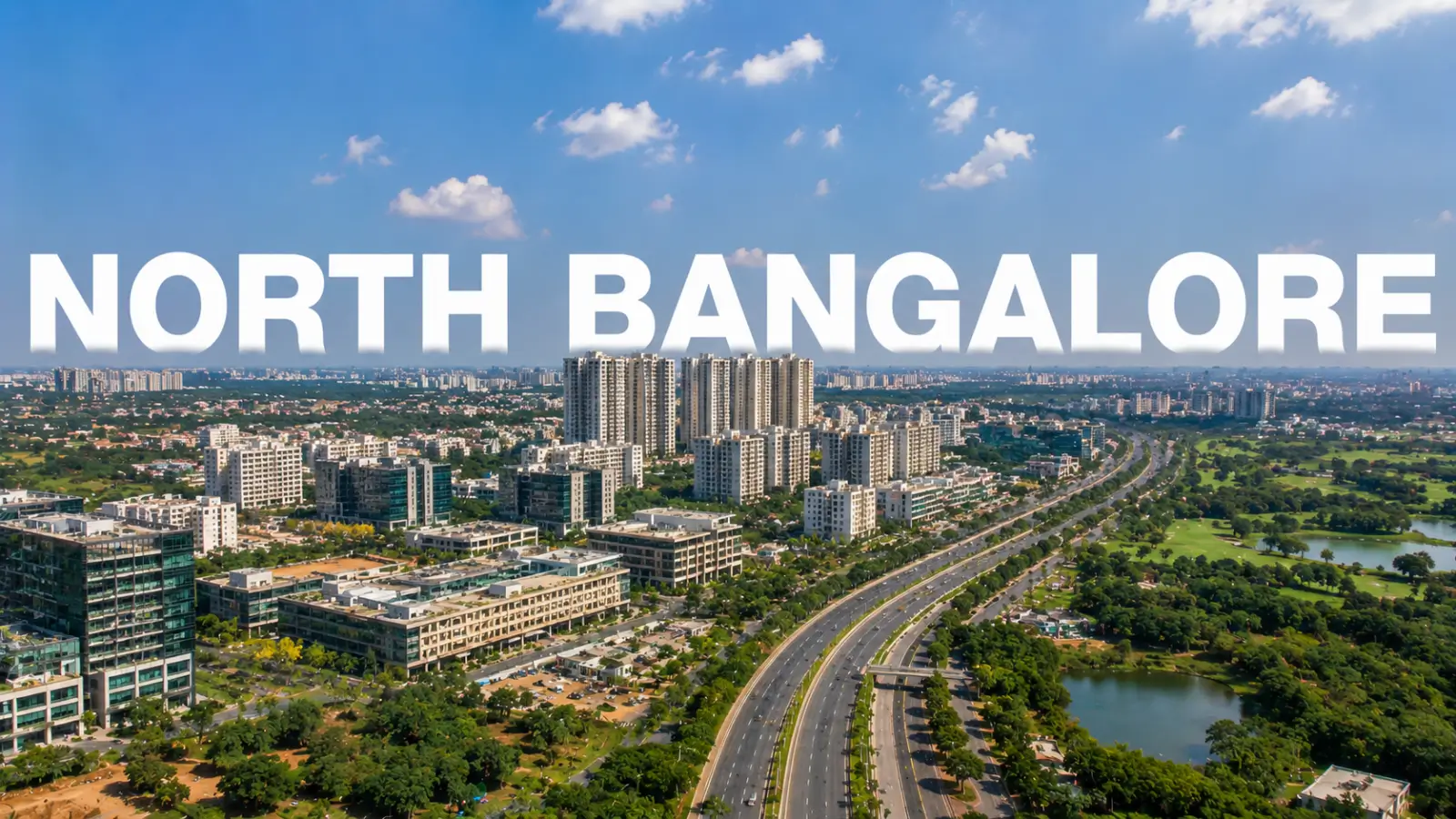
North Bangalore as the Township Destination
North Bangalore township destination - why the airport corridor has emerged as Bangalore's primary township geography and what supports continued buildout.
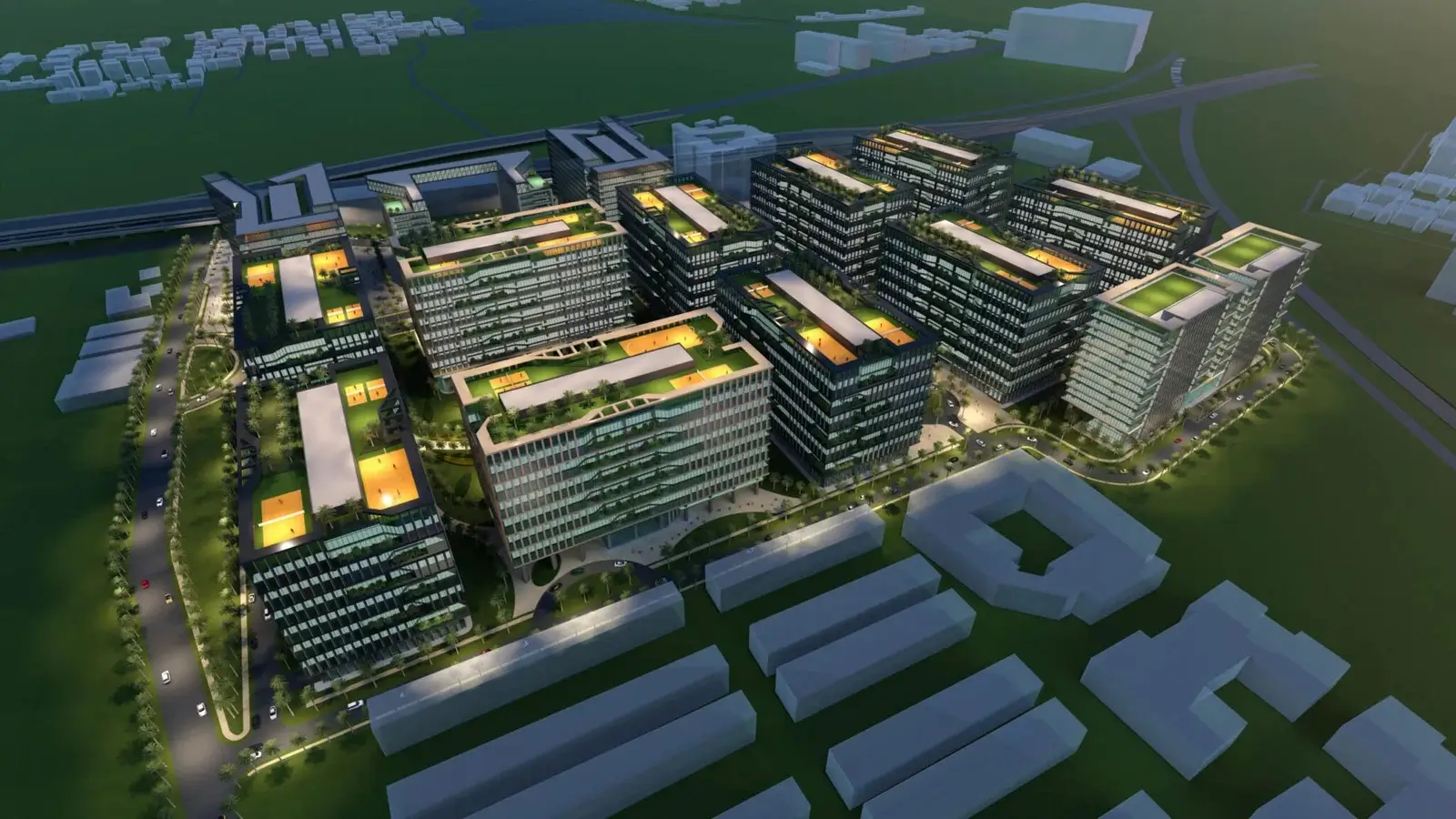
Smart City Township Programme Alignment
Smart city township Century Immencity - how the smart city framework aligns with township design and what it delivers operationally.
How the Bangalore IT Boom Drives Township Demand
IT boom township demand Bangalore - how the IT and GCC sector growth drives mixed-use township absorption at Century Immencity.
Aerospace SEZ and Township Demand
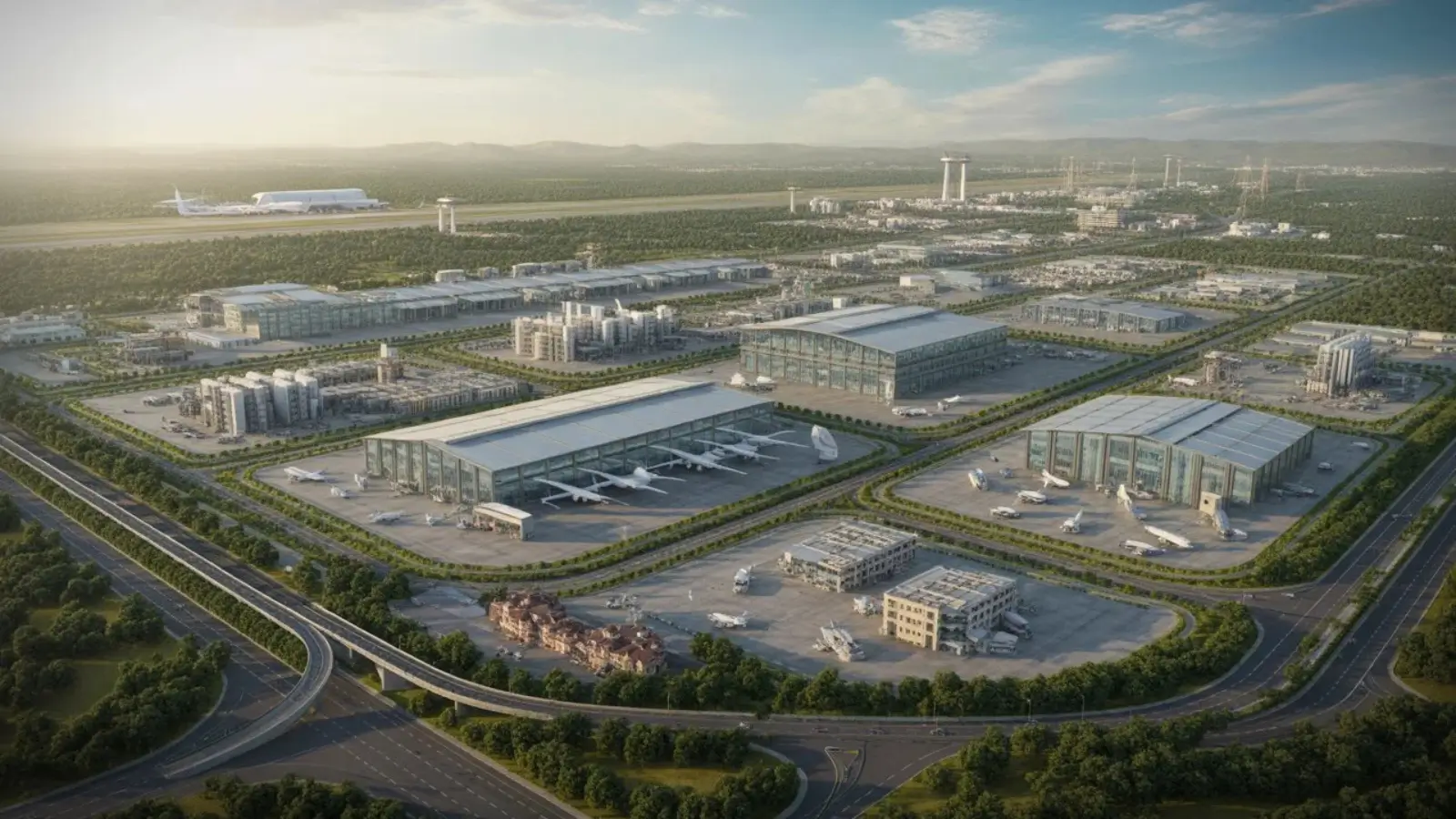
Aerospace SEZ township demand - how the KIADB aerospace cluster supports residential, commercial, and ecosystem demand at Century Immencity.